Ageing, Gender, and Illness in Anglophone Literature vs Gender and the self in Latin American literature: Which Should You Read?
Both live on shelves: Gender identity in literature, Bildungsromans, History and criticism
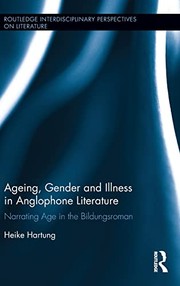 Ageing, Gender, and Illness in Anglophone Literature
More
This study establishes age as a category of literary history, delineating age in its interaction with gender and narrative genre. Based on the historical premise that the view of ageing as a burden emerges as a specific…
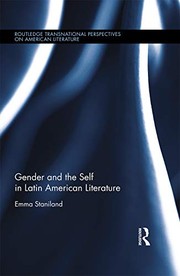 Gender and the self in Latin American literature
More
This book explores six texts from across Spanish America in which the coming-of-age story ('Bildungsroman') offers a critique of gendered selfhood as experienced in the region’s socio-cultural contexts. Looking at a…
Side by side
The verdict
- Ageing, Gender, and Illness in Anglophone Literature reaches further in scholarship and criticism — cited 18 times.
Affiliate links: we may earn a commission on purchases.
Reception
| Ageing, Gender, and Illness in Anglophone Literature | Gender and the self in Latin American literature | |
|---|---|---|
| Editions | 6 | 6 |
| Citations | 18 | 5 |
| Pages | 252 | 251 |
| Check price → | Check price → |
Questions readers ask
Which is shorter to read: Ageing, Gender, and Illness in Anglophone Literature or Gender and the self in Latin American literature?
Gender and the self in Latin American literature is the quickest read. Estimated at 225 words per minute: Gender and the self in Latin American literature (251 pages, ≈ 4 h 39 m); Ageing, Gender, and Illness in Anglophone Literature (252 pages, ≈ 4 h 40 m).
Which is harder to read: Ageing, Gender, and Illness in Anglophone Literature or Gender and the self in Latin American literature?
Estimated difficulty, based on era, reader shelves and length — Ageing, Gender, and Illness in Anglophone Literature: Challenging; Gender and the self in Latin American literature: Challenging.