Campbell Biology vs Chemical Reagents for Protein Modification: Which Should You Read?
Both live on shelves: Life Sciences, Science
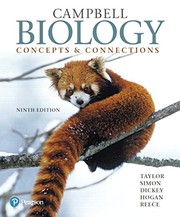 Campbell Biology
More
Campbell Biology is a biology textbook used for introductory Biology and Advanced Placement Biology courses. The textbook was initially published in 1987 by American biologist Neil Campbell, and has been used…
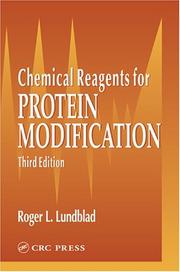 Chemical Reagents for Protein Modification
“The advent of techniques such as site-specific mutagenesis (oligonucleotide-directed mutagenesis) and solution chemistry approaches such as nuclear magnetic resonance has been of great value to protein chemistry.”
More
First published in 1991, Chemical Reagents for Protein Modification, 2nd Edition provides a unique combination of theoretical and practical considerations for the use of chemical reagents for site-specific modification…
Side by side
The verdict
- Chemical Reagents for Protein Modification is the quickest read — about 3 hours vs 17 for Campbell Biology.
Affiliate links: we may earn a commission on purchases.
How to choose
Scores by source
| Campbell Biology | Chemical Reagents for Protein Modification | |
|---|---|---|
| Hardcover | 5.0 (1) | — |
| Check price → | Check price → |
Reception
| Campbell Biology | Chemical Reagents for Protein Modification | |
|---|---|---|
| Ratings | 1 | — |
| Editions | 24 | 22 |
| Citations | — | 413 |
| Wikipedia attention | 1213 | — |
| Pages | 928 | 186 |
| Check price → | Check price → |
Questions readers ask
Which is shorter to read: Campbell Biology or Chemical Reagents for Protein Modification?
Chemical Reagents for Protein Modification is the quickest read. Estimated at 225 words per minute: Chemical Reagents for Protein Modification (186 pages, ≈ 3 h 27 m); Campbell Biology (928 pages, ≈ 17 h 11 m).
Which is harder to read: Campbell Biology or Chemical Reagents for Protein Modification?
Estimated difficulty, based on era, reader shelves and length — Campbell Biology: Moderate; Chemical Reagents for Protein Modification: Moderate.