Eating Animals vs Ethics: Origin and Development: Which Should You Read?
Both live on shelves: Sociology, Philosophy, History
 Eating Animals
More
Jonathan Safran Foer spent much of his teenage and college years oscillating between omnivore and vegetarian. But on the brink of fatherhood - facing the prospect of having to make dietary choices on a child's behalf -…
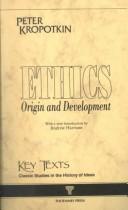 Ethics: Origin and Development
More
Ethics: Origin and Development is a book by Peter Kropotkin, published posthumously in 1921. It continues the argument of Mutual Aid, that sociable morality is essential to human survival. It was translated into English…
Side by side
The verdict
- Readers rate Eating Animals highest: Eating Animals 4.3 · Ethics: Origin and Development 3.9.
- Ethics: Origin and Development has the widest readership — 28175 ratings behind its score.
Affiliate links: we may earn a commission on purchases.
How to choose
Scores by source
| Eating Animals | Ethics: Origin and Development | |
|---|---|---|
| Goodreads | — | 3.9 (28175) |
| Hardcover | 4.2 (226) | 4.0 (1) |
| Apple Books | 4.5 (230) | — |
| Check price → | Check price → |
Reception
| Eating Animals | Ethics: Origin and Development | |
|---|---|---|
| Ratings | 230 | 28175 |
| Editions | 25 | 54 |
| Film adaptations | 1 | 1 |
| Want to read | — | 499 |
| Written reviews | — | 11 |
| Wikipedia attention | 1244 | 132 |
| Pages | 357 | 349 |
| Check price → | Check price → |
Questions readers ask
Which is rated higher: Eating Animals or Ethics: Origin and Development?
Eating Animals has the higher combined reader rating across sources (Eating Animals 4.3/5, Ethics: Origin and Development 3.9/5).
Which is shorter to read: Eating Animals or Ethics: Origin and Development?
Ethics: Origin and Development is the quickest read. Estimated at 225 words per minute: Ethics: Origin and Development (349 pages, ≈ 6 h 28 m); Eating Animals (357 pages, ≈ 6 h 37 m).
Which is harder to read: Eating Animals or Ethics: Origin and Development?
Estimated difficulty, based on era, reader shelves and length — Eating Animals: Challenging; Ethics: Origin and Development: Demanding.