General chemistry vs Progress in inorganic chemistry: Which Should You Read?
Both live on shelves: Chemistry, Science
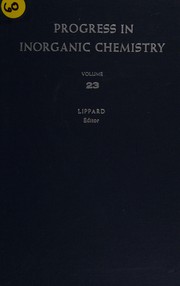
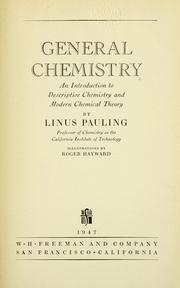 General chemistry
More
“The Dover Edition” A first-year chemistry text that revolutionized the teaching of chemistry by unifying principles instead of as a body of unrelated facts.
vs
Side by side
The verdict
- Readers rate General chemistry highest: General chemistry 4.2 · Progress in inorganic chemistry 3.6.
- General chemistry has the widest readership — 703 ratings behind its score.
Affiliate links: we may earn a commission on purchases.
How to choose
Scores by source
| General chemistry | Progress in inorganic chemistry | |
|---|---|---|
| Goodreads | 4.2 (703) | 3.0 (10) |
| Hardcover | 4.0 (1) | — |
| Apple Books | 4.0 (9) | — |
| Check price → | Check price → |
Reception
| General chemistry | Progress in inorganic chemistry | |
|---|---|---|
| Ratings | 703 | 10 |
| Editions | 35 | 49 |
| Film adaptations | 1 | 1 |
| Want to read | 3780 | 5 |
| Reading it now | 260 | — |
| Written reviews | 26 | 10 |
| Wikipedia attention | 379 | — |
| Pages | 609 | 601 |
| Check price → | Check price → |
Questions readers ask
Which is rated higher: General chemistry or Progress in inorganic chemistry?
General chemistry has the higher combined reader rating across sources (General chemistry 4.2/5, Progress in inorganic chemistry 3.6/5).
Which is shorter to read: General chemistry or Progress in inorganic chemistry?
Progress in inorganic chemistry is the quickest read. Estimated at 225 words per minute: Progress in inorganic chemistry (601 pages, ≈ 11 h 08 m); General chemistry (609 pages, ≈ 11 h 17 m).
Which is harder to read: General chemistry or Progress in inorganic chemistry?
Estimated difficulty, based on era, reader shelves and length — General chemistry: Challenging; Progress in inorganic chemistry: Moderate.