How to Stay Smart in a Smart World vs What Machines Can't Replace: Which Should You Read?
Both live on shelves: Technology and society, Artificial Intelligence
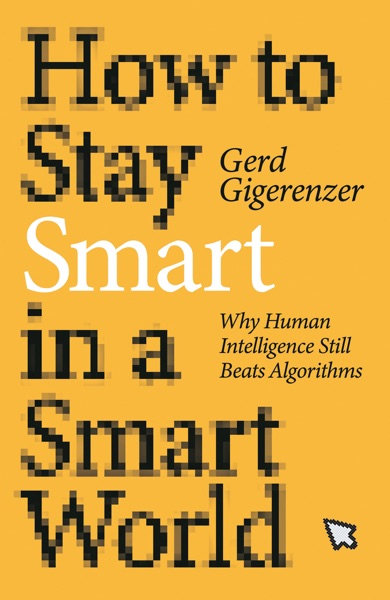 How to Stay Smart in a Smart World
More
STAYING IN CHARGE: How do we navigate a world populated by algorithms that beat us in chess, find us romantic partners, and tell us to “turn right in 500 yards”? “Anyone worried about the age of AI will sleep better…
 What Machines Can't Replace
More
The moment AI began generating art and stories, humans began valuing imperfection, effort, and slowness more than ever. We're handwriting letters. Choosing bread that took three days. Celebrating flaws. We're not…
Side by side
The verdict
- What Machines Can't Replace is the quickest read — about 4 hours vs 7 for How to Stay Smart in a Smart World.
Affiliate links: we may earn a commission on purchases.
How to choose
Reception
| How to Stay Smart in a Smart World | What Machines Can't Replace | |
|---|---|---|
| Ratings | 1 | — |
| Editions | 7 | 4 |
| Pages | 388 | 256 |
| Check price → | Check price → |
Questions readers ask
Which is shorter to read: How to Stay Smart in a Smart World or What Machines Can't Replace?
What Machines Can't Replace is the quickest read. Estimated at 225 words per minute: What Machines Can't Replace (256 pages, ≈ 4 h 44 m); How to Stay Smart in a Smart World (388 pages, ≈ 7 h 11 m).
Which is harder to read: How to Stay Smart in a Smart World or What Machines Can't Replace?
Estimated difficulty, based on era, reader shelves and length — How to Stay Smart in a Smart World: Moderate; What Machines Can't Replace: Moderate.