6 livres semblables à De la nature des choses
Trouver sur Amazon
Acheter sur Bookshop.org
Liens affiliés : nous pouvons percevoir une commission sur les achats.
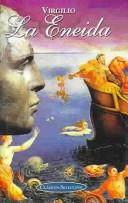
L'Énéide
"Virgil's masterpiece of Latin poetry, a lively, dramatic poem of daring and adventure, of love and loss, of devotion and death. "
Thèmes communs : Latin Didactic poetry, Classical literature, Poetry, History
Voir le prix →
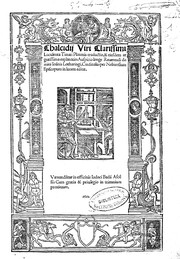
Timée
Latin translation and commentary by Calcidius of a metaphysical dialogue of Plato, the Timaeus. For 800 years the only extensive text of Plato known in the Latin West.
Thèmes communs : Ancient Philosophy, Nature, Early works to 1800, Philosophy
Voir le prix →

Phédon
After an interval of some months or years, and at Phlius, a town of Peloponnesus, the tale of the last hours of Socrates is narrated to Echecrates and other Phliasians by Phaedo the 'beloved disciple.' The Dialogue necessarily takes the form of a narrative, because Socrates has to be described acting as well as speaking. The minutest particulars of the event are interesting to distant friends,…
Thèmes communs : Ancient Philosophy, Criticism and interpretation, Early works to 1800, Philosophy
Voir le prix →
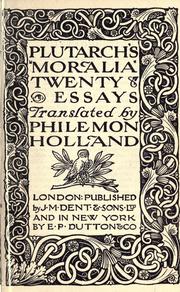
Morales
The Moralia of the 1st-century Greek scholar Plutarch of Chaeronea is an eclectic collection of 78 essays and transcribed speeches. They provide insights into Roman and Greek life, but often are also timeless observations in their own right.
Thèmes communs : Ancient Philosophy, Early works to 1800, Philosophy, Poetry
Voir le prix →

Protagoras
Protagoras was a pre-Socratic Greek philosopher and rhetorical theorist. He is numbered as one of the sophists by Plato. In his dialogue Protagoras, Plato credits him with inventing the role of the professional sophist.
Thèmes communs : Ancient Philosophy, Early works to 1800, Philosophy
Voir le prix →

Le Guide des égarés
The Guide for the Perplexed (Hebrew:מורה נבוכים, translit. Moreh Nevukhim, Arabic: dalālatul ḥā’irīn דלאל̈ה אלחאירין دلالة الحائرين) is one of the major works of Rabbi Moshe ben Maimon, better known as Maimonides or "the Rambam". It was written in the 12th century in the form of a three-volume letter to his student, Rabbi Joseph ben Judah of Ceuta, the son of Rabbi Judah, and is the main source…
Thèmes communs : Ancient Philosophy, Early works to 1800, Philosophy, History
Voir le prix →
De la nature des choses
Voir le prix →