5 livres semblables à Le Prince
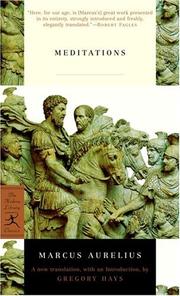
Pensées pour moi-même
Meditations is a collection of personal reflections and notes by the Roman Emperor Marcus Aurelius (reigned 161 to 180 AD), offering a profound look into the philosophy of Stoicism. It was never intended for publication, making it a raw and intimate self-help manual for the emperor during his campaigns and rule. The central theme revolves around living a good, rational, and virtuous life in…
Thèmes communs : Early works to 1800, Philosophy
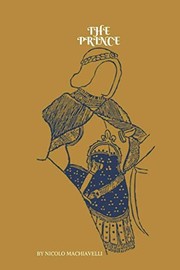
Le Prince
"The Prince" is the most controversial book about winning power - and holding on to it - ever written. Machiavelli's tough-minded, pragmatic argument that sometimes it is necessary to abandon ethics to succeed made his name notorious. Yet his book has been read by strategists, politicians and business people ever since as the ultimate guide to realpolitik. How can a leader be strong and decisive,…
Thèmes communs : Political ethics, Political science, Early works to 1800, Philosophy
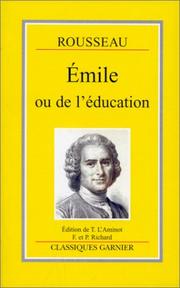
Émile, ou De l'éducation
Rousseau wrote about the difficulty of being a good individual within an inherently corrupting collectivity: society. Emile deals specifically with education, and outlines a system which would allow for human goodness. He uses the fictional story of Emile and his tutor to outline his ideas. The book was banned and publicly burned on its publication, but became a European bestseller and provided a…
Thèmes communs : Ouvrages avant 1800, Early works to 1800, Essays, Philosophy
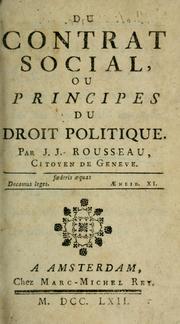
Du contrat social
The Social Contract, originally published as On the Social Contract; or, Principles of Political Right (French: Du contrat social; ou, Principes du droit politique), is a 1762 French-language book by the Genevan philosopher Jean-Jacques Rousseau. The book theorizes about the best way to establish a political community in the face of the problems of commercial society, which Rousseau had already…
Thèmes communs : Science politique, Political science, Early works to 1800, Philosophy
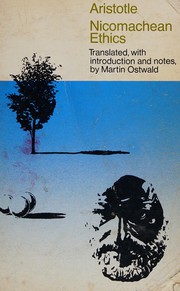
Éthique à Nicomaque
An detailed examination of what the best life might be for human beings. In order to anwer this question, Aristotle finds he also has to examine what virtue itself is and all of the various virtues that might make up the best life.
Thèmes communs : Ouvrages avant 1800, Early works to 1800, Philosophy, History