10 livres semblables à La Locataire de Wildfell Hall
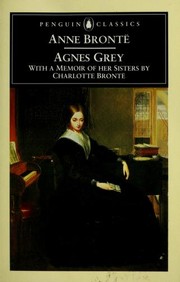
Agnes Grey
In her Introduction to an edition of "Agnes Grey," Barbara A. Suess writes "Bronte provides a portrait of the governess that is as sympathetic as her fictional indictment of the shallow, selfish moneyed class is biting." Anne Bronte relies on her own personal involvement in her duties as a home teacher to bring Agnes Grey to life. Agnes, a rector's daughter, must take employment as a governess to…
Thèmes communs : Landlord and tenant, Alcoholism, Married women, Domestic fiction
La Foire aux vanités
No one is better equipped in the struggle for wealth and worldly success than the alluring and ruthless Becky Sharp, who defies her impoverished background to clamber up the class ladder. Her sentimental companion Amelia, however, longs only for caddish soldier George. As the two heroines make their way through the tawdry glamour of Regency society, battles - military and domestic - are fought,…
Thèmes communs : Married women, Married people, British and irish fiction, England
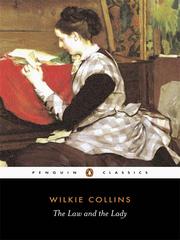
La Loi et la Dame
Three years ago, her husband stood accused of murder -- and the verdict that came in from the jury was the Scottish Verdict, Not Proven. The jury had not evidence enough to convict him
-- nor enough to comfortably exonerate him. Eustace could not bear the weight of her discovery; he fled to the continent, to live in anonymity. But Valeria knew her husband, and she loved him. She knew he was…
Thèmes communs : Married women, Married people, British and irish fiction, England
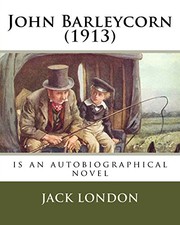
John Barleycorn
It all came to me one election day. It was on a warm California afternoon, and I had ridden down into the Valley of the Moon from the ranch to the little village to vote Yes and No to a host of proposed amendments to the Constitution of the State of California. Because of the warmth of the day I had had several drinks before casting my ballot, and divers drinks after casting it. Then I had ridden…
Thèmes communs : Alcoholics, Alcoholism, Biography & Memoir
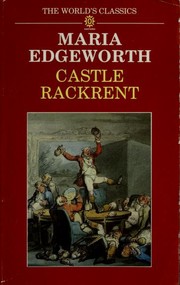
Le Château de Rackrent
A politically-charged satire on Anglo-Irish landlords, Castle Rackrent is a critically-acclaimed and thoroughly enjoyable novel. The social commentary critiques not only class but also gender roles, acutely discussing the marginalization of women in the eighteenth century. In Castle Rackrent, published in 1800, the Irish Catholic bourgeoisie rise to power.
Thèmes communs : Landlord and tenant, British and irish fiction, Social life and customs
Le Portrait d'une dame
Young American Isabel Archer charms European society, but falls prey to the machinations of a calculating older woman.
Thèmes communs : Married women, Married people, Manners and customs, Social life and customs
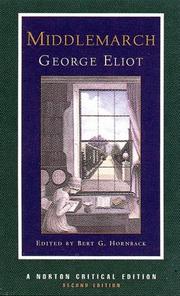
Middlemarch
Eliot’s epic of 19th century provincial social life, set in a fictitious Midlands town in the years 1830-32, has several interlocking storylines blended effortlessly together to form a fully coherent narrative. Its main themes are the status of women, social expectations and hypocrisy, religion, political reform and education. It has often been called the greatest novel in the English language.
Thèmes communs : Married women, Married people, England, Social life and customs
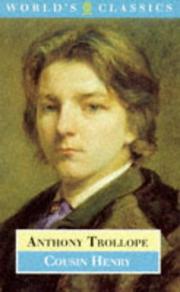
Le Cousin Henry
When the Squire of Llanfeare dies, his nephew Henry inherits the estate. Rumours are rife that the Squire had named his niece Isabel as his heir, and that Henry is an impostor. Mr Apjohn, the family lawyer, takes it upon himself to investigate.
Thèmes communs : Manners and customs, Domestic fiction, British and irish fiction, Social life and customs
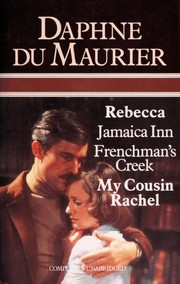
Rebecca
With these words, the reader is ushered into an isolated gray stone mansion on the windswept Cornish coast, as the second Mrs. Maxim de Winter recalls the chilling events that transpired as she began her new life as the young bride of a husband she barely knew. For in every corner of every room were phantoms of a time dead but not forgotten—a past devotedly preserved by the sinister housekeeper,…
Thèmes communs : Married women, Married people, British and irish fiction
Sans issue
No Thoroughfare is a stage play and novel by Charles Dickens and Wilkie Collins, both released in December 1867.
Thèmes communs : Manners and customs, British and irish fiction, Social life and customs