18 books like Darkwater; voices from within the veil
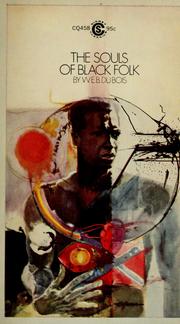
The Souls of Black Folk
Du Bois' 1903 collection of essays is a thoughtful, articulate exploration of the moral and intellectual issues surrounding the perception of blacks within American society.
Shares: Race Relations, African Americans, United States
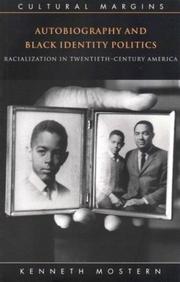
Autobiography and Black identity politics
"Why has autobiography been central to African-American political speech throughout the twentieth century? What is it about the racialization process that persistently places African-Americans in the position of speaking from personal experience?
In Autobiography and Black Identity Politics: Racialization in Twentieth-Century America Kenneth Mostern illustrates the relationship between narrative…
Shares: Race Relations, African Americans, United States
Going to Meet the Man
African-American fiction
Shares: Race Relations, African Americans, United States
The Age of Capital
The Age of Capital: 1848–1875 is a book by Eric Hobsbawm, first published in 1975. It is the second in a trilogy of books about "the long 19th century" (coined by Hobsbawm), preceded by The Age of Revolution: Europe 1789–1848 and followed by The Age of Empire: 1875–1914. A fourth book, The Age of Extremes: The Short Twentieth Century, 1914–1991, acts as a sequel to the trilogy.
(from Wikipedia)
Shares: World history, United States
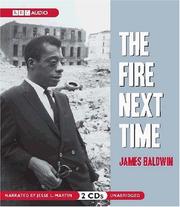
The fire next time
From Amazon.com:
A national bestseller when it first appeared in 1963, The Fire Next Time galvanized the nation and gave passionate voice to the emerging civil rights movement. At once a powerful evocation of James Baldwin's early life in Harlem and a disturbing examination of the consequences of racial injustice, the book is an intensely personal and provocative document. It consists of two…
Shares: Race Relations, African Americans, United States
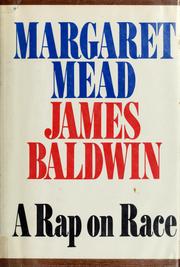
A rap on race
(From the introduction) On August 25, 1970, anthropologist Margaret Mead and writer James Baldwin met for the first time to have three recorded conversations, totaling more than seven hours of tape that, once transcribed, would compose the book, A Rap on Race (1971). The Mead and Baldwin Book is an amazing account documenting the meeting of two of the twentieth century's paradigmatic thinkers and…
Shares: Race Relations, African Americans, Philosophy
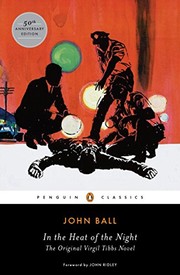
In the Heat of the Night
A small southern town in the 1960s. A musician found dead on the highway. It's no surprise when white detectives arrest a black man for the murder. What is a surprise is that the black man-Virgil Tibbs-is a skilled homicide detective, passing through racially tense Wells, South Carolina, on his way back to California. Even more surprising, Wells's new police chief recruits Tibbs to help with the…
Shares: Race Relations, African Americans
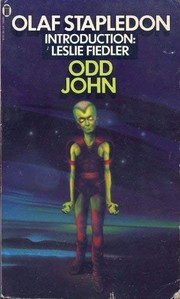
Philosophy and living
This Excellent Collection brings together Stapledon's longer, major books and a fine selection of shorter pieces and Science-Fiction Books. This Books created and collected in Olaf Stapledon's Most important Works illuminate the life and work of one of the most individual writers of the XX century - a man who elevated political writing to an art.
William Olaf Stapledon (1886-1950) is one of the…
Shares: Philosophy
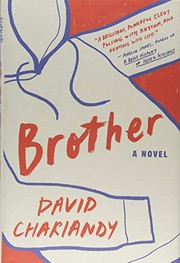
Brother
Winner of the Rogers Writers' Trust Fiction Prize, Toronto Book Award, and the Ethel Wilson Fiction Prize
Longlisted for the Scotiabank Giller Prize
Named a Best Book of the Year by Globe and Mail, National Post, Guardian, Esquire, New York Public Library, NOW Magazine, Chatelaine, CBC, Quill & Quire, Toronto Star, Montreal Gazette, Kirkus Reviews, and more
A Canada Reads Finalist
A Penguin…
Shares: Musicians, Race Relations
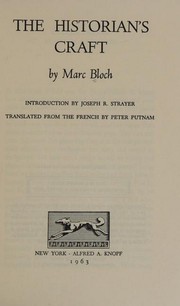
Apologie pour l'histoire ou Métier d'historien
Apologie pour l'histoire ou Métier d'historien est un essai de Marc Bloch rédigé entre la fin de 1940 et les premiers mois de 1943. Inachevé, il est publié de manière posthume en 1949, à l’initiative de Lucien Febvre. Marc Bloch s'interroge sur ce qu'est l’histoire, et plus particulièrement sur le rôle et les méthodes de l’historien dans la construction de cette science.
Shares: World history, Philosophy
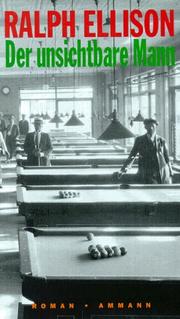
Invisible Man
Invisible Man is the story of a young black man from the South who does not fully understand racism in the world. Filled with hope about his future, he goes to college, but gets expelled for showing one of the white benefactors the real and seamy side of black existence. He moves to Harlem and becomes an orator for the Communist party, known as the Brotherhood. In his position, he is both…
Shares: Race Relations, African Americans
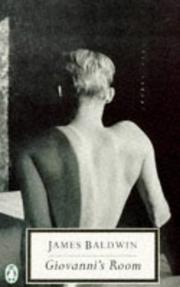
Giovanni's Room
Considered an 'audacious' second novel, GIOVANNI'S ROOM is set in the 1950s Paris of American expatriates, liaisons, and violence. This now-classic story of a fated love triangle explores, with uncompromising clarity, the conflicts between desire, conventional morality and sexual identity.
Shares: Race Relations, African Americans
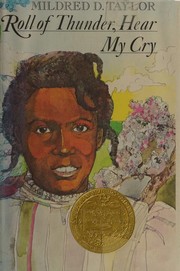
Roll of Thunder, Hear My Cry
Set in Mississippi at the height of the Depression, it is the story of one family's struggle to maintain their integrity, pride, and independence. It is a story of physical survival, but more important, it is a story of the survival of the human spirit. And, too, it is Cassie's story -- Cassie Logan, an independent girl raised by a family for whom independence is primary, a family determined not…
Shares: Race Relations, African Americans
Intruder in the Dust
Using his preferred stream-of-consciousness style the author tells a story of a black farmer in Mississippi accused of murdering a white man.
Shares: Race Relations, African Americans

Joyce Studies 2004
Shares: Influence, Philosophy
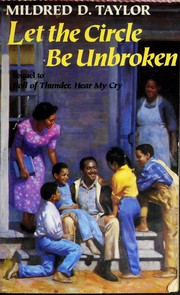
Let The Circle be Unbroken
Let the Circle Be Unbroken is a story of a small Mississippi town in the 1930s, and the troubles that plague its black community. Picking up where its precursor, Roll of Thunder, Hear My Cry, leaves off, Mildred Taylor recounts the trials of this small community through the characters of the Logan family. More specifically, it focuses on the children of the family; Stacey, Cassie, Little Man and…
Shares: Race Relations, African Americans
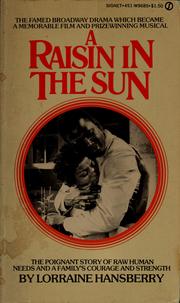
A Raisin in the Sun
This groundbreaking play starred Sidney Poitier, Claudia McNeill, Ruby Dee and Diana Sands in the Broadway production which opened in 1959. Set on Chicago's South Side, the plot revolves around the divergent dreams and conflicts within three generations of the Younger family: son Walter Lee, his wife Ruth, his sister Beneatha, his son Travis and matriarch Lena, called Mama. When her deceased…
Shares: Race Relations, African Americans

Darktown
"Responding to orders from on high, the Atlanta Police Department is forced to hire its first black officers, including war veterans Lucius Boggs and Tommy Smith. The newly minted policemen are met with deep hostility by their white peers: they aren't allowed to arrest white suspects, drive squad cars, or set foot in the police headquarters. When a black woman who was last seen in a car driven by…
Shares: Race Relations, African Americans