18 books like Euripides

Iphigenia in Tauris
This is the translation of the Euripides play about the princess Iphigeneia who narrowly avoided death by sacrifice at the hands of her father, Agamemnon. She was saved by the goddess Artemis, to whom the sacrifice was to be made, and swept off to Tauris. As a priestess at the goddess' temple, she has the gruesome task of ritually sacrificing foreigners who land on King Thoas's shores. It has…
Shares: Bacchantes, Pentheus, Rhesus, Dionysus
Bacchae
In Bacchae, one of the great masterpieces of the tragic genre, Euripides tells the story of king Pentheus' resistance to the worship of Dionysus and his horrific punishment by the god: dismemberment at the hands of Theban women. Iphigenia at Aulis recounts the sacrifice of Agamemnon's daughter to Artemis, the price exacted by the goddess for favorable sailing winds. Rhesus dramatizes a pivotal…
Shares: Bacchantes, Pentheus, Rhesus, Dionysus
The Bacchae, and other plays
Ion, The women of Troy, Helen, The Bacchae.
Shares: Bacchantes, Pentheus, Rhesus, Dionysus

The plays of Euripides
Euripides’ classic play, based on the myth of Jason and Medea, about a barbarian woman who retaliates against the husband who leaves her—here in the 1912 translation by Gilbert Murray into English rhyming verse. With explanatory notes.
Shares: Euripides, Greek drama, Criticism and interpretation, Greek Mythology
Hippolytus
Euripides wrote two plays called Hippolytus. In this, the second, he dramatized the tragic failure of perfection. This translation comes in two forms; the first presents a simulacrum of the text as it might have appeared in unprocessed form to a reader sometime shortly after Euripides? death. The second processes the drama into the reduced but much more distinct form of modern print translations.
Shares: Alcestis, Hippolytus, Great_books_of_the_western_world, Greek drama

Children of Heracles
This edition and commentary provides an introduction to one of Euripides' less well-known plays, and describes the enormous value of the text for our understanding of Athenian drama, religion, and society. Despite the excellent commentaries of Elmsley (1821) and Pearson (1907), and powerful articles by Wilamowitz, the play has not been given the notice it deserves.
This edition interprets the…
Shares: Euripides, Hippolytus, Great_books_of_the_western_world, Greek drama
The Complete Greek Tragedies
Based on the conviction that only translators who write poetry themselves can properly re-create the celebrated and timeless tragedies of Aeschylus, Sophocles, and Euripides, the Greek Tragedy in New Translations series offers new translations that go beyond the literal meaning of the Greek in order to evoke the poetry of the originals.
This volume collects Euipides' Alcestis (translated by…
Shares: Alcestis, Hippolytus, Greek drama, Greek Mythology
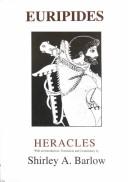
Heracles
Heracles Euripides - Euripides' Heracles is an extraordinary play, innovative in its treatment of the myth, bold in its dramatic structure, and filled with effective human pathos. The play tells a tale of horror: Heracles, the greatest hero of the Greeks, is maddened by the gods to murder his wife and children. But this suffering and divine malevolence are leavened by the friendship between…
Shares: Euripides, Great_books_of_the_western_world, Greek drama, Criticism and interpretation
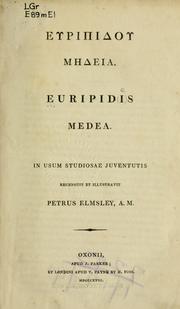
Medea
"Medea has been betrayed. Her husband, Jason, has left her for a younger woman. He has forgotten all the promises he made and is even prepared to abandon their two sons. But Medea is not a woman to accept such disrespect passively. Strongwilled and fiercely intelligent, she turns her formidable energies to working out the greatest, and most horrifying, revenge possible." "Euripides' devastating…
Shares: Dionysus, Hippolytus, Great_books_of_the_western_world, Greek drama
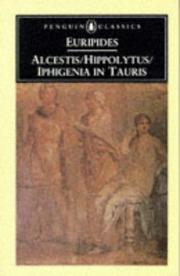
Three plays
Shares: Alcestis, Hippolytus, Iphigenia, Greek Mythology
Shares: Alcestis, Hippolytus, Iphigenia, Greek Mythology
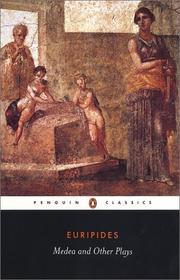
Medea and other plays
Medea/Hecabe/Electra/HeraclesFour devastating Greek tragedies showing the powerful brought down by betrayal, jealousy, guilt and hatredThe first playwright to depict suffering without reference to the gods, Euripides made his characters speak in human terms and face the consequences of their actions. In Medea, a woman rejected by her lover takes hideous revenge by murdering the children they both…
Shares: Alcestis, Hippolytus, Greek drama, Greek Mythology
Aeschyli Tragoediae
Introduction in English
Shares: Greek drama, Greek Mythology, Drama
Ten plays
The first playwright of democracy, Euripides wrote with enduring insight and biting satire about social and political problems of Athenian life.  In contrast to his contemporaries, he brought an exciting--and, to the Greeks, a stunning--realism to the "pure and noble form" of tragedy.  For the first time in history, heroes and heroines on the stage were not…
Shares: Greek drama, Greek Mythology, Drama

Birds
Enter the whimsical world of ancient Greece with "The Birds" by Aristophanes. This timeless comedy transports readers to a fantastical realm where birds hold sway over gods and men, and where laughter reigns supreme.
As Aristophanes unfolds his comedic masterpiece, questions arise: What mischief will the birds get up to? And what lessons will they teach us about power, authority, and the…
Shares: Dionysus, Great_books_of_the_western_world, Greek drama, Drama

Frogs
Among extant Greek comedies, the Frogs is unique for the light it throws on classical Greek attitudes to tragedy and to literature in general. It merits a much more extensive commentary than it has so far received, for the establishment of the text itself has rested for over a century on collations which were inadequate and inaccurate. At the same time, its most problematic passages have been the…
Shares: Dionysus, Great_books_of_the_western_world, Greek drama, Drama
Plays
"Four Plays" by Aeschylus is a collection that typically includes some of the most significant works by this ancient Greek playwright, who is often referred to as the father of tragedy. Aeschylus' plays are known for their profound exploration of justice, power, and the divine. While different collections might include various selections, four of his most famous plays are:
"Agamemnon": The first…
Shares: Greek drama, Greek Mythology, Drama

Clouds
The Catholic University of America Speech and Drama Department presents Aristophanes' "The Clouds," translated by William Arrowsmith, directed by Leo Brady, choral interpretation by Josephine McGarry Callan, setting and lighting by James D. Waring, costumes by Joseph Lewis.
Shares: Great_books_of_the_western_world, Greek drama, Criticism and interpretation, Drama
Euripidis Tragoediae
Shares: Greek Mythology, Mythology, Drama