18 books like Strega Nona
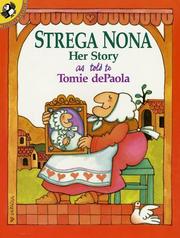
Strega Nona
Strega Nona is a childrens picture book written and illustrated by Tomie dePaola. It concerns Strega Nona and her helper, Big Anthony. The book, which is likely dePaolas best-known work, was published in 1975 and won a Caldecott honor in 1976. It was one of the "Top 100 Picture Books" of all time in a 2012 poll by School Library Journal. Strega Nona has been challenged or banned in some childrens…
Shares: Strega Nona, Healing, Grandmothers, Magic
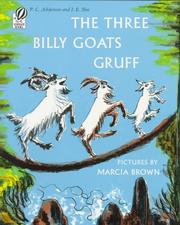
Tre bukkene Bruse
The three billy goats outsmart the hungry troll who lives under the bridge.
Shares: Big books, Folklore, Fairy Tales, Children's fiction
The Giver
At the age of twelve, Jonas, a young boy from a seemingly utopian, futuristic world, is singled out to receive special training from The Giver, who alone holds the memories of the true joys and pain of life.
Shares: Blind, Memory, Books and Reading, Children's fiction
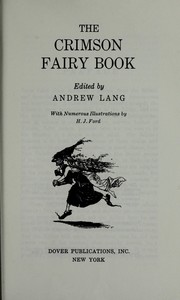
The Crimson Fairy Book
Twenty four fairy tales from the folklore of Hungary, Russia, Rumania, Serbia, Tunis, Finland, Iceland, Japan, and Sicily.
Shares: Tales, Folklore, Fairy Tales, Children's fiction
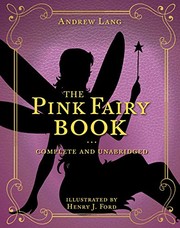
The Pink Fairy Book
A collection of more than thirty fairy tales gathered from all over the world.
Shares: Tales, Folklore, Fairy Tales, Children's fiction
The Green Fairy Book
Fairy tales gathered from the folklore of Russia, Germany, Italy, France, China, Scotland, and England.
Shares: Folklore, Fairy Tales, Children's fiction
The Brown Fairy Book
Thirty-two fairy tales from the folklore of Africa, Australia, Brazil, India, New Caledonia, and Persia.
Shares: Folklore, Fairy Tales, Children's fiction
The Sleeping Beauty
The Sleeping Beauty told at length, with the hundred years of sleep and the family the prince has to leave, and other tales retold by a scholar-novelist for children. Quiller-Couch edited the Oxford Book of English Verse and wrote as a professor who never lost the storyteller's ear. The additions to Perrault are made with an obvious relish for the parts he thought too short.
Shares: Folklore, Fairy Tales, Children's fiction
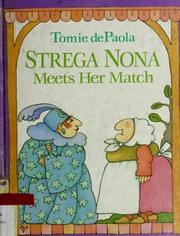
Strega Nona meets her match
A rival puts Strega Nona out ot the healing business until Big Anthony's assistance inadvertently sabotages the newcomer in his usual well-meaning way.
Shares: Strega Nona, Children's fiction
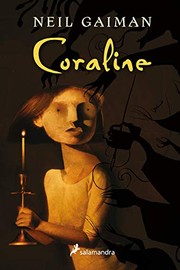
Coraline
When Coraline steps through a door to find another house strangely similar to her own (only better), things seem marvelous.
But there's another mother there, and another father, and they want her to stay and be their little girl. They want to change her and never let her go.
Coraline will have to fight with all her wit and courage if she is to save herself and return to her ordinary life.
Shares: Blind, Books and Reading
The Orange Fairy Book
A collection of fairy tales brought and translated from Rhodesia, Uganda, and Punjaub.
Shares: Folklore, Fairy Tales, Children's fiction
The Grey Fairy Book
A collection of thirty-five fairy tales from the folklore of Lithuania, Africa, Germany, Greece, and France, and other parts of the world.
Shares: Folklore, Fairy Tales, Children's fiction
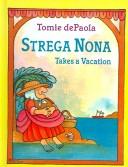
Strega Nona Takes a Vacation
Strega Nona sends home gifts of candy and bubble bath while on vacation, but when Bambolona grabs the candy, Big Anthony is left with a lot of bubbles.
Shares: Strega Nona, Children's fiction
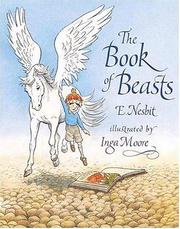
The book of beasts
As young King Lionel turns the pages of his magical book, a hungry red dragon and other creatures in the illustrations come to life.
Shares: Books and Reading, Fairy Tales, Magic, Children's fiction
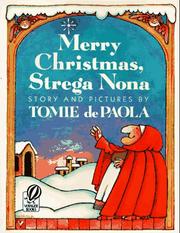
Merry Christmas, Strega Nona
Big Anthony plans a surprise Christmas party for Strega Nona.
Shares: Strega Nona, Children's fiction
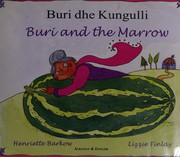
Buri and the Marrow
An old woman and her daughter foil the attempts of several hungry animals to eat her while journeying across the forest.
Shares: Tales, Folklore, Fairy Tales, Children's fiction
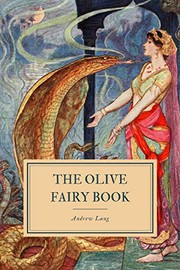
The Olive Fairy Book (Complete & Unabridged)
Twenty-nine tales from the folklore of Turkey, India, Denmark, Armenia, and the Sudan.
Shares: Folklore, Fairy Tales, Children's fiction
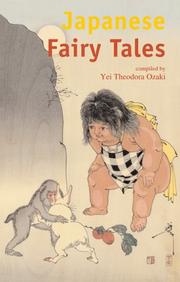
Japanese Fairy Tales
Japanese folktales are somewhat of a loaded term. In commonplace usage, it signifies a certain set of well-known classic tales, with a vague distinction of whether they fit the rigorous definition of folktale or not.
The admixed imposters are literate written pieces, dating back to the Muromachi period (14th-16th centuries) or even earlier times in the Middle Ages. These would not normally…
Shares: Folklore, Fairy Tales, Children's fiction