18 books like The golden asse of Lucius Apuleius
The Apologia and Florida
Excerpts from Apuleius' declamations given at Carthage in the 160's.
Shares: Speeches, Latin literature, Early works to 1800
Metamorphoses
To the Right Honourable and Mighty Lord, THOMAS EARLE OF SUSSEX, Viscount Fitzwalter, Lord of Egremont and of Burnell, Knight of the most noble Order of the Garter, Iustice of the forrests and Chases from Trent Southward; Captain of the Gentleman Pensioners of the House of the QUEENE our Soveraigne Lady.
Shares: Latin fiction, Latin literature, History and criticism
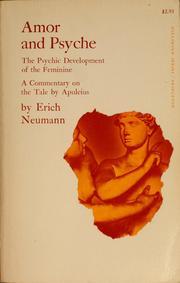
Amor and Psyche
''Psyche and Amor'', also known as ''Psyche Receiving Cupid's First Kiss'' (1798), by [[François Gérard: a symbolic butterfly hovers over Psyche in a moment of innocence poised before sexual awakening.Dorothy Johnson, David to Delacroix: The Rise of Romantic Mythology
Shares: Latin fiction, History and criticism
Lectures on rhetoric and belles lettres
"The lectures on rhetoric by Dr. Hugh Blair are too well known to require an extended introduction. They are based largely upon the system of Aristotle, and have served as the groundwork for many modern textbooks on this subject. In their original form they are too long for the use of present-day students, but in the condensed style in which they are presented in this book it is believed they…
Shares: Rhetoric, Early works to 1800, History and criticism
Apollonius Rhodius
"Apollonius Rhodius's Argonautica, composed in the third century B.C.E., is the epic retelling of Jason's quest for the golden fleece. Along with his contemporaries Callimachus and Theocritus, Apollonius refashioned Greek poetry to meet the interests and aesthetics of a Hellenistic audience, especially that of Alexandria in the Ptolemaic period following Alexander's death. In this carefully…
Shares: Classical literature, Latin literature
In Catilinam
Emile and Juliette Hazel have just purchased what will be their final home, set in a little clearing an hour's drive from the nearest town. Here, they think, is the place for an idyllic retirement, isolated from the rest of the world save for one neighbor, a doctor, on the far side of the clearing. One day, after they have spent a week in the house, the Hazels' new neighbor comes knocking at…
Shares: Speeches, History and criticism
Prometheus Bound
An ancient Greek tragedy attributed to Aeschylus. The play follows the sufferings of the Titan Prometheus who has been fastened to a rock by Zeus as punishment for giving the knowledge of fire to mankind.
Shares: Classical literature, History and criticism
Dē vītā Caesarum
De vita Caesarum, known as The Twelve Caesars, is a set of twelve biographies, each about one of the Roman emperors, including one on Julius Caesar. It was written by Gaius Suetonius Tranquillus, commonly referred to as Suetonius, in 121. Considered highly significant in antiquity, The Twelve Caesars has remained a major source of Roman history.
Shares: Latin literature, Early works to 1800
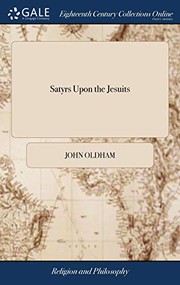
Satyrs upon the Jesuits
Shares: Latin literature, Early works to 1800
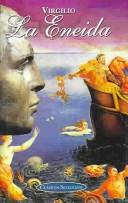
Aeneis
"Virgil's masterpiece of Latin poetry, a lively, dramatic poem of daring and adventure, of love and loss, of devotion and death. "
Shares: Classical literature, History and criticism
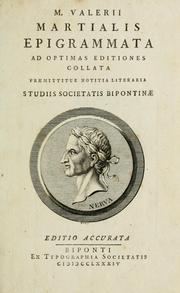
Epigrammata
Despite his enduring popularity, Martial has recently suffered from serious critical neglect. The present work is the first edition of selections from Martial to be published for decades, and the first ever to include a fully representative selection of the oeuvre of the poet, who has often been criticised, unfairly, the authors argue, for obscenity and flattery of the Emperor Domitian. The…
Shares: Latin literature, Early works to 1800, History and criticism
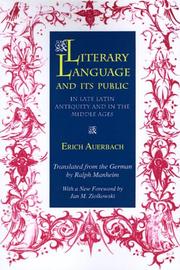
Literatursprache und Publikum in der lateinischen Spätantike und im Mittelalter
Shares: Latin literature, History and criticism

Cicero
De Officiis (On Duties) was Cicero's last philosophical work. In it he made use of Greek thought to formulate the political and ethical values of Roman Republican society as he saw them, revealing incidentally a great deal about actual practice. Writing at a time of political crisis after the assassination of Julius Caesar in 44BC, when it was not clear how much of the old Republican order would…
Shares: Speeches, Early works to 1800
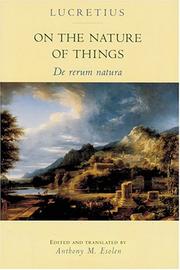
De rerum natura
This is regarded as a seminal text of Epicurean science and philosophy. Epicurians discarded both the idea of immortality and the superstitious worship of wilful gods for a life of serene contentment in the available pleasures of nature. Lucretius (c100-c55BC), in elucidating this belief, steers the reader through an extraordinary breadth of subject matter, ranging from the indestructibility of…
Shares: Classical literature, Early works to 1800
The pragmatics of literary testimony
In this book, Warner examines a number of German-language literary autobiographies that are connected to diverse social movements of the last forty years. These books have all received critical attention from the popular press, topped bestseller lists, and have been pivotal in discussions of authenticity, subjectivity, and referentiality. Because of the thematic diversity of these works, scholars…
Shares: Rhetoric, History and criticism
Ovid with an English translation: Heroides and Amores
Index of proper names appended
Shares: Latin literature, History and criticism
Fairy Tale in the Ancient World
In this, the first modern study of the ancient fairytale, Graham Anderson asks whether the familiar children's fairytale of today existed in the ancient world. He examines texts from the classical period and finds many stories which resemble those we know today, including:
a Jewish Egyptian Cinderella
a Snow White whose enemy is the goddess Artemis
a Pied Piper at Troy.
He puts forward many…
Shares: Classical literature, History and criticism
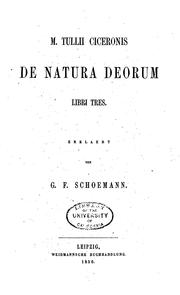
De Natura deorum
De Natura deorum (The Nature of the Gods) is a philosophical dialogue by Roman orator Cicero written in 45 BC. It is laid out in three books, each of which discuss the theology of different Roman and Greek philosophers. The dialogue uses a discussion of Stoic, Epicurean, and skeptical theories to examine fundamental questions of theology.
The dialogue is on the whole narrated by Cicero himself,…
Shares: Latin literature, Early works to 1800