18 books like Wives and Daughters
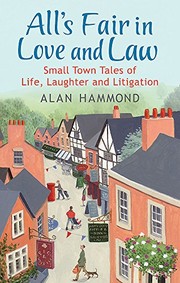
All's Fair in Love and Law
"Dufty Dufty Popple & Dunn is a traditional solicitors' firm in the small Midlands town of Hockam (pronounced Hokum, as the local residents are at pains to point out). This heart-warming collection of stories revolves around the lives, relationships, triumphs and failures of the good people of Hockam and of the lawyers to whom they look for help. We meet the lonely dentist and his noisy…
Shares: Country life, Manners and customs, England, Social life and customs
Emma
Emma, by Jane Austen, is a novel about youthful hubris and the perils of misconstrued romance. The novel was first published in December 1815. As in her other novels, Austen explores the concerns and difficulties of genteel women living in Georgian-Regency England; she also creates a lively comedy of manners among her characters. Before she began the novel, Austen wrote, "I am going to take a…
Shares: Fathers and daughters, Young women, Manners and customs, British and irish fiction
Amelia
Against her mother's wishes, Amelia marries Captain William Booth, a young army officer, and runs away to London. William is unjustly imprisoned in Newgate, and is subsequently seduced by Miss Matthews. Amelia stays faithful to her husband and forgives his transgression, but William soon draws them into trouble again as he accrues gambling debts trying to lift the couple out of poverty.
Shares: Social conditions, Manners and customs, British and irish fiction, England
Vanity Fair
No one is better equipped in the struggle for wealth and worldly success than the alluring and ruthless Becky Sharp, who defies her impoverished background to clamber up the class ladder. Her sentimental companion Amelia, however, longs only for caddish soldier George. As the two heroines make their way through the tawdry glamour of Regency society, battles - military and domestic - are fought,…
Shares: Social classes, British and irish fiction, Women, England
The Law and the Lady
Three years ago, her husband stood accused of murder -- and the verdict that came in from the jury was the Scottish Verdict, Not Proven. The jury had not evidence enough to convict him
-- nor enough to comfortably exonerate him. Eustace could not bear the weight of her discovery; he fled to the continent, to live in anonymity. But Valeria knew her husband, and she loved him. She knew he was…
Shares: Social conditions, British and irish fiction, Women, England
The daffodil murder
Ein Londoner Geschaftsmann entla©t seineAngestellte fristlos. Kurze Zeit spater liegter erschossen im Gras des Hyde Park ...
Shares: Young women, England
No name
No Name is a 19th-century novel by the master of sensation fiction, Wilkie Collins. A country gentleman is killed in an accident and his wife dies shortly after him. The blow is double for their daughters, who discover that they were born before their parents were married. Their sudden illegitimacy robs them of their inheritance and their accustomed place in society.
Shares: Young women, British and irish fiction, England, Social life and customs
The peppered moth
"It is 1912 and Bessie Bawtry is a small child living in Breaseborough, a South Yorkshire mining town. Unusually gifted, she sits quietly and studies hard, waiting for the day when she can sit the Cambridge entrance exam and escape the kind of life her ancestors have never even thought to question. Her parents are in awe of her - who is this swan-child, is she a freak? (Where did she get her…
Shares: Manners and customs, British and irish fiction, Social life and customs

Women in Love
Dark, but filled with bright genius, Women in Love is a prophetic masterpiece steeped in eroticism, filled with perceptions about sexual power and obsession that have proven to be timeless and true.
Shares: Social classes, Social conditions, British and irish fiction, Women
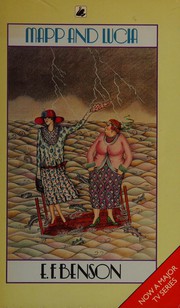
Mapp and Lucia (Make Way for Lucia, Part 4)
Meet Mapp and Luciatwo of the most unpleasant, disgraceful women you're ever likely to encounter, in E.F. Benson's carefully observed tale of 1930s village life and social ranking Emmeline Lucas (known as Lucia to her friends) is emerging from mourning following the death of her husband. Pretentious, snobbish, and down-right devious, she feels her hometown of Riseholme offers no challenges and…
Shares: Social classes, Women, England, Social life and customs
The Woodlanders
When country-girl Grace Melbury returns home from her middle-class school she feels she has risen above her suitor, the simple woodsman Giles Winterborne. Though marriage had been discussed between her and Giles, Grace finds herself captivated by Dr Edred Fitzpiers, a sophisticated newcomer to the area - a relationship that is encouraged by her socially ambitious father. Hardy's novel of…
Shares: Social classes, Manners and customs, British and irish fiction, England
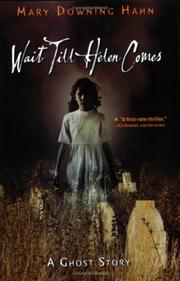
Wait till Helen comes
Molly and Michael dislike their spooky new stepsister Heather but realize that they must try to save her when she seems ready to follow a ghost child to her doom.
Shares: Stepfamilies
The Black Robe
The Black Robe is an 1881 partially-epistolary novel by famed English writer, Wilkie Collins. The book, which relates the misadventures of one "Lewis Romayne", is noted for its anti-Catholic lens.
Shares: British and irish fiction, England, English literature
Little Dorrit
Upon its publication in 1857, Little Dorrit immediately outsold any of Dickens's previous books. The story of William Dorrit, imprisoned for debt in Marshalsea Prison, and his daughter and helpmate, Amy, or Little Dorrit, the novel charts the progress of the Dorrit family from poverty to riches. In his Introduction, David Gates argues that "intensity of imagination is the gift from which…
Shares: Fathers and daughters, Social conditions, British and irish fiction, Social life and customs
Shirley
Shirley, published in 1849, was Charlotte Brontë’s second novel after Jane Eyre. Published under her pseudonym of “Currer Bell,” it differs in several respects from that earlier work. It is written in the third person with an omniscient narrator, rather than the first-person of Jane Eyre, and incorporates the themes of industrial change and the plight of unemployed workers. It also features…
Shares: British and irish fiction, Women, England, Social life and customs
The small house at Allington
*The Chronicles of Barsetshire*, Book 5: *The Small House at Allington*
*The Small House at Allington* introduces Trollope's most charming heroine, the betwitching Lily Dale, onto the Barsetshire scene. She so endeared herself to readers of the Cornhill Magazine, where A Small House was first published in serial form, that Trollope was bombarded by letters begging him to marry her to her…
Shares: Young women, Manners and customs, British and irish fiction, England
The House of Mirth
Beautiful, intelligent, and hopelessly addicted to luxury, Lily Bart is the heroine of this Wharton masterpiece. But it is her very taste and moral sensibility that render her unfit for survival in this world.
Shares: Social classes, Social conditions, Manners and customs, Social life and customs

The glass slipper
In her haste to flee the palace before the fairy godmother's magic loses effect, Cinderella leaves behind a glass slipper.
Shares: Stepfamilies
About the book Wives and Daughters → · Compare with All's Fair in Love and Law ⚔