18 books like Works (La chute / L'exil et le royaume)
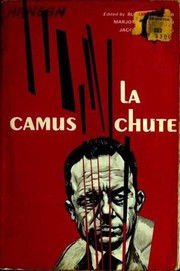
La Chute
Num bar de marinheiros em Amesterdão, um homem que se apresenta como juiz-penitente enceta conversa com um desconhecido. Entre copos de Genebra e deambulações pelas ruas daquela cidade de canais concêntricos, a fazer lembrar os círculos do inferno, recorda a sua vida passada como respeitável advogado parisiense, insuperável na defesa de causas nobres e nas conquistas amorosas. Mas à medida que a…
Shares: Conscience, Existentialism, Psychological, Romance literature
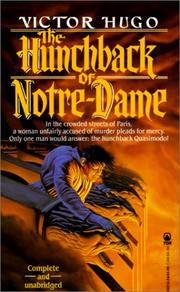
Notre Dame de Paris
In fifteenth-century Paris, a disfigured man named Quasimodo, who was abandoned as an infant in the cathedral of Notre-Dame and now lives in its bell tower, must come to the aid of a beautiful gypsy girl named Esmeralda after she repels the advances of the cruel archdeacon Don Claude Frollo.
Shares: French fiction, French literature, French language, Continental european fiction
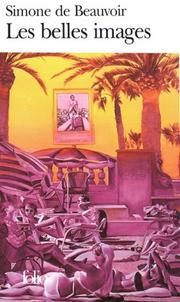
Les belles images
"Non ; elle a crié tout haut. Pas Catherine. Je ne permettrai pas qu'on lui fasse ce qu'on m'a fait. Qu'a-t-on fait de moi ? Cette femme qui n'aime personne, insensible aux beautés du monde, incapable même de pleurer, cette femme que je vomis. Catherine : au contraire lui ouvrir les yeux tout de suite et peut-être un rayon de lumière filtrera jusqu'à elle, peut-être elle s'en sortira... De quoi ?…
Shares: French fiction, Continental european fiction
Le neveu de Rameau
In a famous Parisian chess café, a down-and-out, HIM, accosts a former acquaintance, ME, who has made good, more or less. They talk about chess, about genius, about good and evil, about music, they gossip about the society in which they move, one of extreme inequality, of corruption, of envy, and about the circle of hangers-on in which the down-and-out abides. The down-and-out from time to time…
Shares: French literature, Philosophy
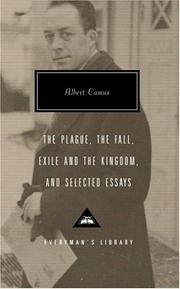
The Plague
From the Publisher: From one of the most brilliant and influential thinkers of the twentieth century-two novels, six short stories, and a pair of essays in a single volume. In both his essays and his fiction, Albert Camus (1913-1960) deployed his lyric eloquence in defense against despair, providing an affirmation of the brave assertion of humanity in the face of a universe devoid of order or…
Shares: French fiction, French literature
Les contes drôlatiques
A collection of stories with a mediaeval theme rather after the style of Rabelais. Early editions were illustrated by Gustav Dore and were published by Garnier Freres of Paris. The stories range from the absurd to the downright grim but the illustrations give them a life of their own. Rather off-putting to the reader used to modern French, the stories are written in an archaic French that is not…
Shares: Romance literature, French fiction, French literature, Continental european fiction
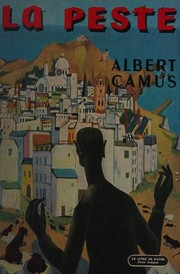
La Peste
The Plague (French: La Peste) is a novel by Albert Camus, published in 1947, that tells the story of a plague sweeping the French Algerian city of Oran. It asks a number of questions relating to the nature of destiny and the human condition. The characters in the book, ranging from doctors to vacationers to fugitives, all help to show the effects the plague has on a populace.
Shares: Psychological, Romance literature, French fiction, Continental european fiction
L'immoraliste
The Immoralist (French: L'Immoraliste) is a novel by André Gide, published in France in 1902. The Immoralist is a recollection of events that Michel narrates to his three visiting friends. One of those friends solicits job search assistance for Michel by including in a letter to Monsieur D. R., Président du Conseil, a transcript of Michel's first-person account.
Important points of Michel's…
Shares: French fiction, French literature, French language, Continental european fiction
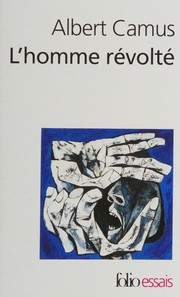
L'Homme révolté
The Rebel (French: L'Homme révolté) is a 1951 book-length essay by Albert Camus, which treats both the metaphysical and the historical development of rebellion and revolution in societies, especially Western Europe.
Examining both rebellion and revolt, which may be seen as the same phenomenon in personal and social frames, Camus examines several' countercultural' figures and movements from the…
Shares: Existentialism, French literature, Philosophy
Paul et Virginie
Paul and Virginia, two fatherless children are brought up in poverty and innocence, amid the tropical scenery of the island of Mauritius. Virginia is recalled to France by a harsh and wealthy aunt. There she is miserable, and after two years returns to the island. But her ship is wrecked and she is drowned before the eyes of Paul.
Shares: French fiction, French literature, French language
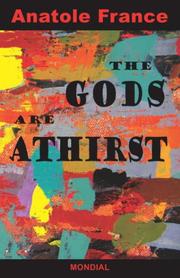
Les Dieux Ont Soif
Academic historians probably read historical novels in two ways: as general readers and as experts on a period. At a guess, Anatole France’s Les dieux ont soif (1912) is not likely to satisfy under either heading. The academic historian can probably get over the historical goofs: active citizens in 1793, Federalists as decentralizers, the Revolutionary Tribunal of Paris not having a jury, and so…
Shares: French literature, French language, Continental european fiction

Le mythe de Sisyphe
«Il n'y a qu'un problème philosophique vraiment sérieux: c'est le suicide.» Avec cette formule foudroyante, qui semble rayer d'un trait toute la philosophie, un jeune homme de moins de trente ans commence son analyse de la sensibilité absurde. Il décrit le «mal de l'esprit» dont souffre l'époque actuelle: «L'absurde naît de la confrontation de l'appel humain avec le silence déraisonnable du…
Shares: Existentialism, French literature, Continental european fiction, Philosophy
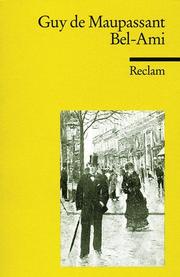
Bel-Ami
.I Quand la caissiere lui eut rendu la monnaie de sa piece de cent sous, Georges Duroy sortit du restaurant. Comme il portait beau, par nature et par pose d'ancien sous-officier, il cambra sa taille, frisa sa moustache d'un geste militaire et familier, et jeta sur les dineurs attardes un regard rapide et circulaire, un de ces regards de joli garcon qui s'etendent comme des coups d'epervier. Les…
Shares: French fiction, French literature, Continental european fiction
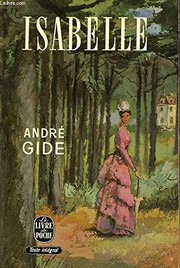
Isabelle
Gérard Lacase, un étudiant en lettres, arrive au château de la Quartfourche, un grand manoir normand habité par les familles Floch et Saint-Auréol, pour en consulter la bibliothèque dans le cadre de recherches pour une thèse en histoire sur Bossuet. L'ambaince sur place est très provinciale, et plutôt suffocante. Il n'en a pas plus tôt franchi le seuil que l'étrange atmosphère de cette demeure le…
Shares: French fiction, French literature, French language
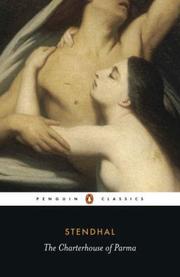
La chartreuse de Parme
Headstrong and naive, the young Italian aristocrat Fabrizio del Dongo is determined to defy the wrath of his right-wing father and go to war to fight for Napoleon. He stumbles on the Battle of Waterloo, ill-prepared, yet filled with enthusiasm for war and glory. Finally heeding advice, Fabrizio sneaks back to Milan, only to become embroiled in a series of amorous exploits, fuelled by his…
Shares: French fiction, French literature, French language
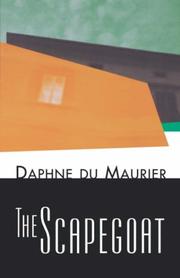
The scapegoat
Someone jolted my elbow as I drank and said, 'Je vous demande pardon, ' and as I moved to give him space he turned and stared at me and I at him, and I realized, with a strange sense of shock and fear and nausea all combined, that his face and voice were known to me too well.I was looking at myself."Two men--one English, the other French--meet by chance in a provincial railway station and are…
Shares: Psychological, Continental european fiction
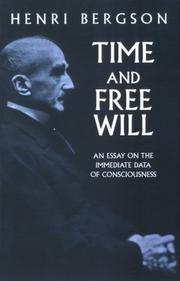
Time and free will
Bergson proposes a theory of time and freedom. Considered an influence on the French New Wave filmmakers, and a philosopher interested in humor and creativity, Bergson's works are generally a little awkward in translation (originals in French), but are well worth the effort. Bergson's basic argument here is that we (in literate Western cultures generally) use ideas and images associated with…
Shares: Conscience, French language, Philosophy
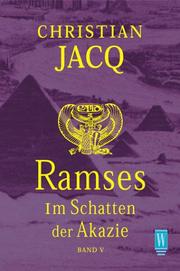
Sous l'acacia d'Occident
In the final novel in the bestselling series, Christian Jacq writes of the Hittite king who wants Ramses to marry his daughter, while revolt is brewing among the revenge-driven Libyans.
Shares: French fiction, French literature