Journey Resumption After Hostess Farewell
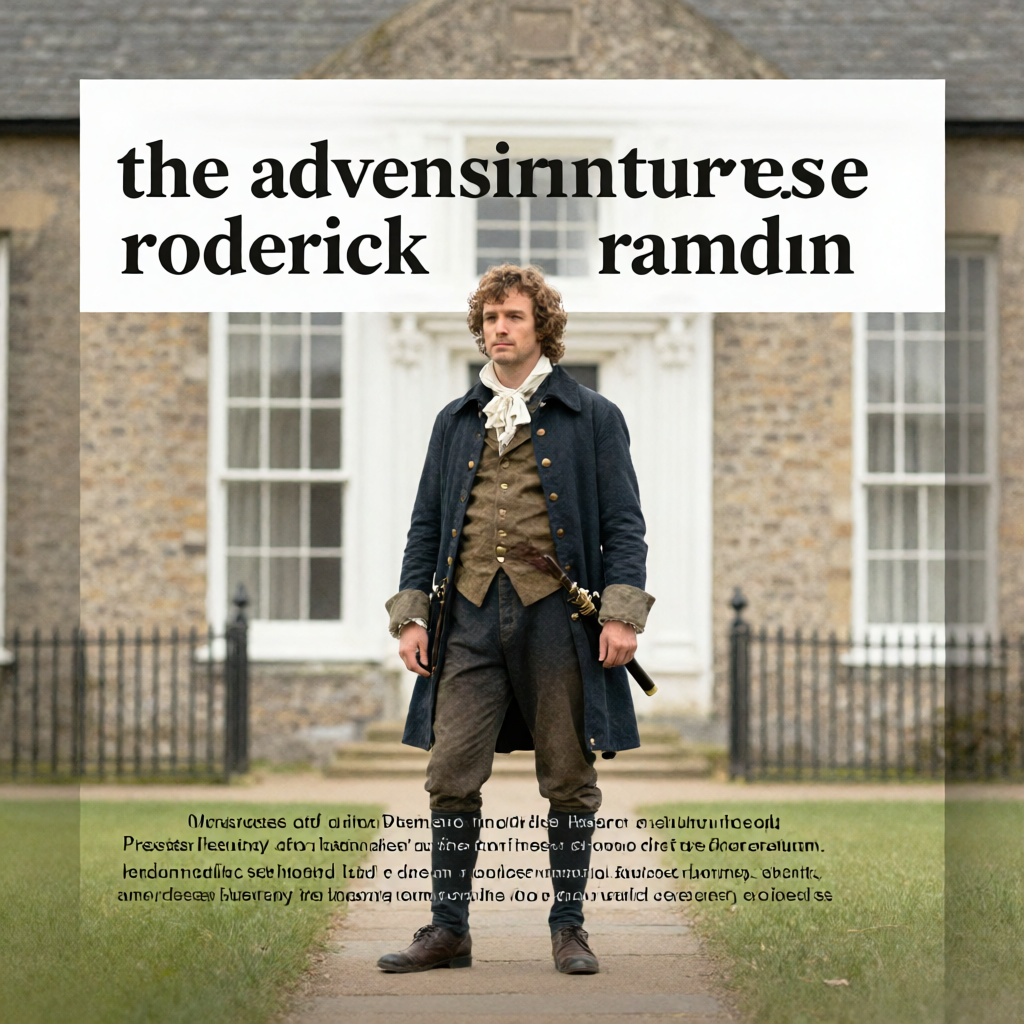
Roderick Random and Strap depart from their hostess, who embraces Roderick tenderly at parting. The pair proceed on their journey, relieved to have escaped their previous troubles. They have walked only about five miles when they spot a horseman approaching rapidly.
Highwayman Rifle Overtakes and Attacks the Pair
The approaching rider reveals himself to be Rifle, the infamous highwayman who has previously vexed them. He demands to know if Roderick recognizes him, but terror has rendered Roderick speechless. Strap falls to his knees in the mud, desperately pleading for mercy while identifying Rifle by name. The highwayman declares that Strap shall never give evidence against him, then fires his pistol at Strap, who drops to the ground. Roderick remains paralyzed with fear as Rifle snaps a second pistol at him.
Pursuing Horsemen Arrive, Highwayman Flees
Before Rifle can prime another shot, a company of armed horsemen in livery appears on the road. Rifle flees on horseback, leaving Roderick standing motionless. The horsemen, led by a captain whose pocket pistols Rifle had stolen the previous day, stop to investigate. The captain discovers Strap’s body on the ground and assumes murder has been committed.
Strap Rescued, Taken to Inn to Recover
When one servant turns Strap’s body to examine the wound, he discovers Strap is still warm and breathing. Roderick immediately lets blood from his companion, who revives with great joy, having suffered only a wound inflicted by fear rather than the pistol. Strap can barely stand, so they walk together to an inn about half a mile away, where Strap goes to bed to recover.
Horseman Captain Falls, Receives Medical Aid
The captain, who had pursued the highwayman, soon arrives at the inn after his horse’s girth broke during the chase, causing him to fall into the mud. He complains bitterly about his bruises. The servant recommends Roderick, who has medical knowledge, to bleed the captain. Roderick performs this service and is rewarded with half-a-crown.
Inn Card Game with Farmers, Exciseman, and Curate
During the time before dinner, Roderick observes a card game in the inn involving two farmers, an exciseman, and a young curate wearing a rusty gown and cassock. The match is clearly unequal, as the two farmers, who are partners, lose all their cash in short order to what Roderick perceives to be a pair of sharpers. When one farmer questions the game’s fairness, the clergyman responds by swearing and asserting his honor.
Curate Shuffle Cheats Farmers, Entertains with Fiddle
Roderick is scandalized by the curate’s indecent behavior, including his swearing and bawdy songs. To compensate for stripping the farmers, the curate produces a fiddle hidden in his gown lining and plays melodiously while singing. His good humor spreads such glee that the farmers forget their losses, and everyone present begins dancing in the yard.
Vicar Arrives, Curate Derides His Conduct
While dancing, the curate spots a horseman approaching and announces the arrival of “our dog of a doctor.” He assists the vicar, a rosy-faced man of about fifty, off his horse with cordial inquiries about his health. The vicar enters the kitchen with great solemnity, calling for ale and a pipe while barely acknowledging the company. When the curate invites him to dinner, the vicar refuses, explaining he must dine at home. After the vicar departs, the curate denounces him as a rascal and complains bitterly about doing all the vicar’s work for only twenty pounds yearly while the vicar enjoys two livings worth four hundred pounds per annum.
Group Shares Dinner, Curate Departs
When dinner is ready, Roderick wakes Strap, and they eat together with the company in great cheerfulness. After the meal, when the reckoning is settled, the curate excuses himself and departs on horseback, leaving the two farmers to satisfy the host as best they can.
Exciseman Exposes Curate Shuffle’s Cheating and Past
The exciseman, who had been silent until now, reveals that Shuffle’s trick of departing without paying is well known. He explains that Shuffle acquired scraps of learning while serving young Lord Trifte at university, excels at pimping, and was dismissed for pawning his lordship’s clothes. The exciseman, who had been valet-de-chambre to Squire Tattle, helped secure Shuffle’s ordination and curacy in exchange for his silence about the lord’s conduct. The exciseman admits that Shuffle is a devilish cheat who shifts cards with impossible skill.
The original text of this work is in the public domain. This page offers a compressed quick-read summary for educational purposes.