Shifting the Blame
The narrator advised the maid that she was not with child but afflicted with a disorder incidental to young women, which he could easily remove. He prescribed medicines that he claimed would procure abortion. However, the maid, having been warned by the narrator of his design and knowing her own true condition, absolutely refused the directions and threatened to publish her situation if Crab did not provide for the occasion. The narrator guessed the result of Crab’s deliberation from the latter’s subsequent address to him.
Crab’s Dilemma
Faced with the threat to his reputation—since scandal about uncleanness was particularly damaging in his part of the island and would give his rival Potion a handle for insult and undermining—Crab found himself in a dilemma. He could not simply dismiss the matter, for he knew the pregnancy would provide ammunition against him. His options were limited by the fear of what his rival might do with such damaging information.
Departure for London
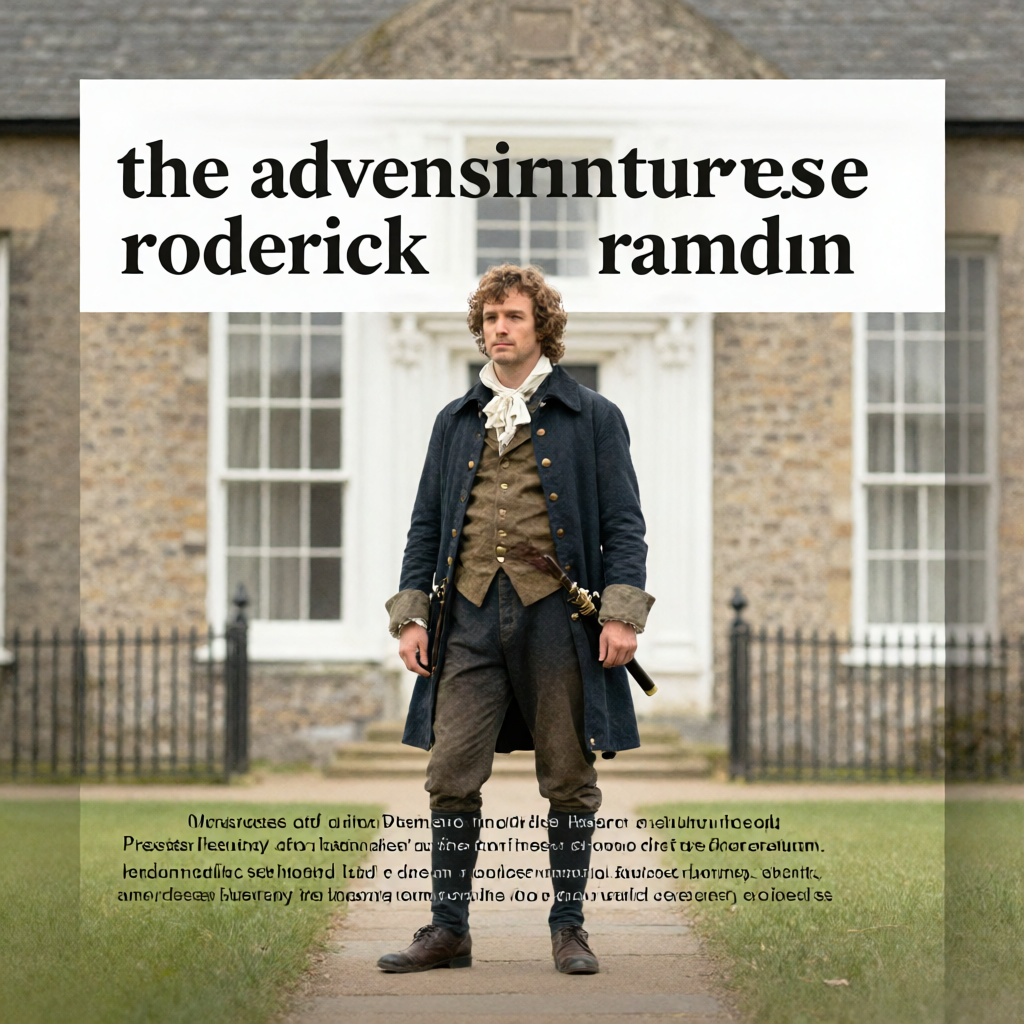
Crab addressed the narrator one day, expressing surprise that a young fellow showed no inclination to push his fortune in the world. He suggested the narrator could get aboard a king’s ship as surgeon’s mate, citing the coming war against Spain as opportunity for practice and prize money. The narrator seized this long-wished-for opportunity but explained he lacked funds for necessaries and the journey to London. Crab offered to lend him money for the journey and maintenance in London until he could procure a warrant for a ship. The narrator accepted, knowing Crab’s true motive was to lay the bastard to his charge after his departure. The narrator set out for London with one suit of clothes, half a dozen each of ruffled and plain shirts, two pairs of worsted and threaded stockings, a case of pocket instruments, a small edition of Horace and Wiseman’s Surgery, and ten guineas in cash—his whole fortune. Crab took his bond at five percent interest and gave him a letter to a member of parliament.
CHAPTER VIII
CHAPTER VIII chronicles Roderick Random’s journey from Newcastle toward London with his old schoolfellow Hugh Strap, marking a significant companionship in the picaresque narrative. The chapter introduces one of Roderick’s most loyal friends while subjecting him to a harrowing encounter with the highwayman Rifle at a humble alehouse. The episode combines moments of heartfelt reunion, comic misunderstanding, and genuine suspense as Random navigates dangers both on the road and within his lodgings.
Arrival at Newcastle
Roderick completes his journey to Newcastle-upon-Tyne in September 1739, having traveled on a pack-saddle between two baskets carried by the carriers who transport goods on horseback. The tedious and uncomfortable mode of travel leaves him exhausted and benumbed by the cold weather. Determined to proceed no further in such disagreeable conditions, Roderick resolves to continue the remainder of his journey to London on foot rather than endure the difficulty of walking three hundred miles through deep winter roads.
Meeting Hugh Strap
While seeking a barber’s services in Newcastle, Roderick encounters Hugh Strap, his old schoolfellow from Scotland, who recognizes him despite the years of separation. The reunion proves emotionally overwhelming for Strap, whose joy at the meeting so discomposes his nerves that he accidentally cuts Roderick three times while shaving. After regaling each other with news of their respective circumstances, they spend the afternoon together, deepening their rekindled friendship.
Strap’s Proposal
Strap proposes an alternative to Roderick’s planned sea passage, warning against the dangers of a winter voyage along the coast and the uncertainty of winds that might delay him indefinitely. Offering to accompany Roderick on the overland journey, Strap volunteers to carry their baggage and suggests they can take advantage of return horses or wagons along the road for minimal expense. Touched by this generous offer, Roderick accepts warmly, though Strap insists he has saved sufficient funds for his own needs and expects a friend in London to help secure employment for them both.
The original text of this work is in the public domain. This page offers a compressed quick-read summary for educational purposes.