13 libri simili a L'idiota
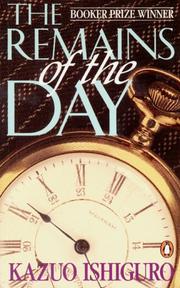
Quel che resta del giorno
Nell'estate del 1956, Stevens, l'anziano maggiordomo di Darlington Hall, parte per una vacanza tranquilla che lo condurrà nei recessi della campagna e del proprio passato... Un classico contemporaneo, «I resti del giorno» è la splendida e struggente rievocazione di Kazuo Ishiguro della vita tra le due guerre in una grande dimora inglese, delle cause perdute e di un amore perduto.
Temi in comune: Historical Fiction, History
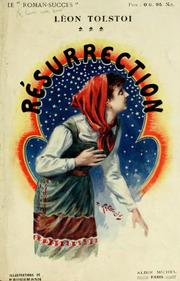
Resurrezione
«Resurrezione», ultimo romanzo completo di Lev Tolstòj, fu pubblicato nel 1899 dopo dieci anni di lavorazione. Una causa umanitaria spinse lo scrittore a terminare l'opera e a dedicarne tutti i proventi alla setta pacifista dei Dukhobor, perseguitata dal governo russo e bisognosa di fondi per emigrare in Canada: le sue azioni contribuirono infine a permettere l'emigrazione di centinaia di suoi…
Temi in comune: Russian fiction, Russian literature, Russia, Continental european fiction
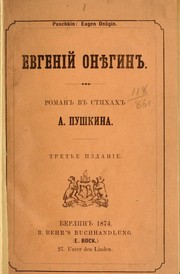
Eugenio Onegin
Eugene Onegin (in russo: Евге́ний Оне́гин) è un romanzo in versi di Aleksandr Puškin, pietra miliare della letteratura russa il cui protagonista ha ispirato il modello dell'«uomo superfluo», figura destinata a segnare l'immaginario di generazioni di scrittori.
Apparve a puntate tra il 1825 e il 1822; la prima edizione completa vide la luce nel 1833, mentre il testo oggi considerato canonico…
Temi in comune: Russian fiction, Russian literature, Russia, Social conditions
I cosacchi
I Cosacchi (in russo Казаки [Kazaki]) è un romanzo breve di Lev Tolstoj, pubblicato nel 1863 sulla popolare rivista letteraria Il Messaggero Russo. Il titolo originario dell'opera era Giovinezza. Sia Ivan Turgenev che lo scrittore russo Premio Nobel Ivan Bunin espressero grandissimi elogi per il romanzo, con Turgenev che lo definì il suo lavoro preferito di Tolstoj. Tolstoj iniziò a lavorare alla…
Temi in comune: Russian literature, Continental european fiction, Social life and customs, History
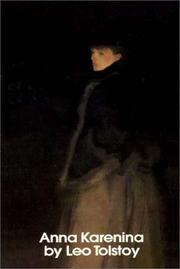
Anna Karenina
Definito da William Faulkner il miglior romanzo mai scritto e da Fëdor Dostoevskij semplicemente «perfetto», «Anna Karenina» racconta la storia d'amore condannata tra la sensuale e ribelle Anna e lo spavaldo ufficiale conte Vronskij. La tragedia prende corpo via via che Anna rifiuta il suo matrimonio senz'anima, scoprendosi così esposta alle ipocrisie di una società che non ammette deroghe. Sulla…
Temi in comune: Russian literature, Social conditions, Social life and customs, Classic Literature
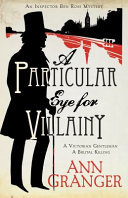
Un occhio particolare per il crimine
Un gentiluomo dell’età vittoriana… Un assassinio brutale… Quando un vicino di casa viene trovato morto nella propria abitazione, l’ispettore Ben Ross e sua moglie Lizzie si addentrano nel tragico passato della vittima per scoprire chi si nasconde dietro quella aggressione feroce. «Un occhio particolare per il delitto» è il quarto romanzo giallo della serie di misteri storici di Ann Granger, la…
Temi in comune: Social conditions, History
I miserabili
Nella saga delle traversie del contadino Jean Valjean — un uomo ingiustamente imprigionato, spaesato davanti al destino e inseguito dal suo persecutore, l'ispettore Javert, figura mirabilmente tratteggiata e dalla perfidia ambigua — Hugo raggiunge quella rara risonanza immaginativa che permette a un'opera d'arte di travalicare i confini del proprio genere.
Temi in comune: Continental european fiction, Social conditions, Social life and customs, Historical Fiction
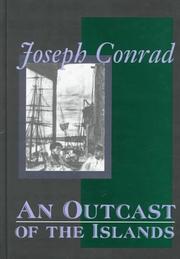
Un reietto delle isole
Il secondo romanzo di Conrad, An Outcast of the Islands, conduce il lettore nelle viscere dell'impresa coloniale, rivelandone le crepe e le responsabilità mentre un'intera regione viene progressivamente assoggettata al dominio straniero. I personaggi che popolano queste pagine sono complessi, stratificati, dotati di una profondità che conquista e non lascia indifferenti. Una lettura avvincente,…
Temi in comune: Russia in fiction, Classic Literature
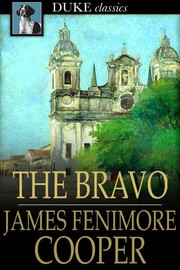
Il bravo
Pubblicato per la prima volta nel 1831, il romanzo è ambientato nella Venezia di un tempo, all'epoca ormai lontana dei Dogi. A ispirare l'autore furono i viaggi che Cooper compì in Italia. Nella prefazione, Cooper confida di aver voluto offrire ai propri connazionali «un quadro del sistema sociale delle cosiddette repubbliche dell'altro emisfero». William Cullen Bryant colse con lucidità il cuore…
Temi in comune: Social conditions, Historical Fiction
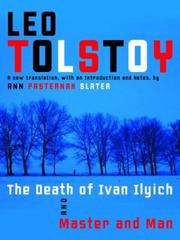
La morte di Ivan Il'ič
Questa novella satirica intreccia la vita e la morte precoce di un giudice di alta corte. Ivan Il'ič, fiero delle sue conquiste e del prestigio sociale raggiunto, trascorre un'esistenza domestica spoglia e infelice, logorata da un rapporto con la moglie ridotto ormai a un deserto di affetti. Sarà una malattia senza rimedio a scoperchiare l'inganno: solo in punto di morte il protagonista intuisce…
Temi in comune: Russian fiction, Continental european fiction, Historical Fiction
Il figlio del cardinale
«The Gadfly» (La cavallina) vide la luce nel 1897, e i suoi editori temevano una reazione ostile da parte del pubblico, inquietato dal tema della rivoluzione. Il libro, al contrario, conquistò ben presto lo status di classico del socialismo, ponendosi tra le primissime narrazioni letterarie davvero consapevoli sul piano politico. Storia di amore e cospirazione, l'opera si ispira in parte alla…
Temi in comune: Continental european fiction, Historical Fiction, History
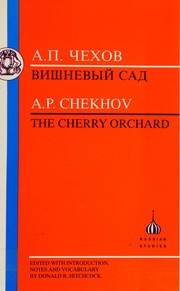
Il giardino dei ciliegi
«Pevear e Volokhonsky sono al contempo traduttori scrupolosi e vividi stilisti della lingua inglese.» – The New Yorker
Esistono da sempre due versioni di questo capolavoro di Čechov, al tempo stesso commovente e intriso di humour: quella che tutti conosciamo, messa in scena da Konstantin Stanislavskij al Teatro d'Arte di Mosca nel 1904, e quella che il drammaturgo aveva originariamente…
Temi in comune: Russian literature, Continental european fiction, Social conditions
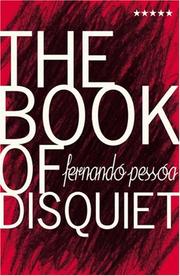
Libro dell'inquietudine
Il Libro dell'inquietudine è la più grande opera letteraria di Fernando Pessoa, maestro indiscusso del modernismo portoghese. Un'“autobiografia” o un “diario” attraversato da osservazioni di raffinata malinconia, da aforismi e da meditazioni profonde: un classico che si confronta con tutti i grandi interrogativi dell’esistenza. Per la prima volta i testi vengono proposti in ordine cronologico, in…
Temi in comune: Notebooks, Continental european fiction