10 libri simili a Protagora
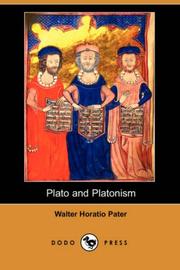
Platone
Le idee di Platone hanno esercitato un'influenza profonda e duratura sulla filosofia, sulla scienza e sull'umanità intera, dai sovrani dell'antichità all'uomo di oggi, attraversando i secoli con una forza che non si è mai esaurita. Nei suoi dialoghi, il filosofo affronta con passione i grandi temi dell'amore, della virtù, della politica, dell'anima e dell'etica.
Plato and Platonism getta nuova…
Temi in comune: Plato, Ancient Philosophy, Philosophy
Souvenir
Un souvenir (dal francese, che significa appunto «memoria» o «rimembrananza»)[^1], un pegno, un dono commemorativo o un oggetto della memoria è ciò che una persona conserva per i ricordi ai quali lo lega. Può essere qualsiasi oggetto che un viaggiatore raccolga o acquisti e porti con sé come memento di una visita. L'oggetto stesso può possedere un valore intrinseco, oppure rappresentare il…
Temi in comune: Socrates, Early works to 1800, Philosophy
Apologia di Socrate
Si dice spesso che tutta la filosofia occidentale non sia altro che una nota a piè di pagina a Platone: questo perché i suoi scritti hanno definito lo schema che la disciplina ha seguito da allora in poi. Allievo degli insegnamenti di Socrate, Platone ha realizzato opere che fanno parte della letteratura più grande di tutti i tempi. L'Apologia di Socrate è il discorso che il filosofo pronuncia in…
Temi in comune: Plato, Socrates, Philosophy
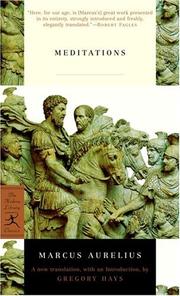
Colloqui con sé stesso
Meditazioni è una raccolta di riflessioni e appunti personali dell'imperatore romano Marco Aurelio, regnante dal 161 al 180 d.C., che offre uno sguardo profondo nella filosofia stoica. Non fu mai destinato alla pubblicazione, e si rivela quindi un manuale di autoaiuto intimo e autentico che l'imperatore scrisse per sé stesso durante le sue campagne militari e il suo governo. Il tema centrale…
Temi in comune: Ancient Philosophy, Ethics, Early works to 1800, Philosophy
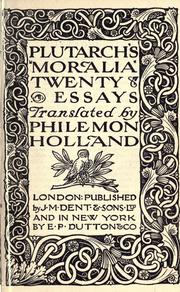
Moralia
Moralia, l’opera dello studioso greco Plutarco di Cheronea del I secolo, è una collezione eclettica di 78 saggi e discorsi trascritti. Oltre a offrire uno spaccato ricco di spunti sulla vita greca e romana, i suoi testi racchiudono spesso anche osservazioni di una profondità senza tempo, che brillano di luce propria.
Temi in comune: Ancient Philosophy, Ethics, Early works to 1800, Philosophy
Gorgia
Esiste un celebre adagio secondo cui l'intera filosofia occidentale non sarebbe che una serie di note a piè di pagina a Platone. E in effetti i suoi scritti hanno tracciato lo schema che la filosofia ha continuato a seguire attraverso i secoli. Allievo di Socrate, Platone ci ha lasciato opere che figurano a pieno titolo tra i più grandi testi della letteratura universale. Nel «Gorgia», come…
Temi in comune: Ancient Philosophy, Ethics, Early works to 1800, Philosophy
Fedone
Dopo un intervallo di alcuni mesi o forse anni, nella città peloponnesiaca di Fliunte, Fedone – il «discepolo prediletto» – racconta a Echecrate e agli altri Fliuntii le ultime ore di Socrate. Il Dialogo assume necessariamente la forma della narrazione, poiché Socrate va descritto tanto nell'azione quanto nelle parole. Persino i dettagli più minuti dell'avvenimento accendono la curiosità degli…
Temi in comune: Ancient Philosophy, Early works to 1800, Philosophy
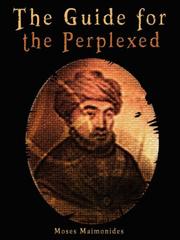
Mosè Maimonide
La guida dei perplessi (ebraico: מורה נבוכים, trasl. Moreh Nevukhim; arabo: dalālatul ḥā’irīn, דלאל̈ה אלחאירין, دلالة الحائرين) è una delle opere maggiori del rabbino Moshe ben Maimon, più noto come Maimonide o «Rambam». Scritta nel XII secolo, si presenta come una lettera in tre volumi indirizzata al suo discepolo, il rabbino Joseph ben Judah di Ceuta, figlio del rabbino Judah, e costituisce la…
Temi in comune: Ancient Philosophy, Early works to 1800, Philosophy
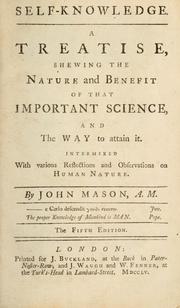
conoscere sé stessi
Pubblicato nel 1813, copertina bruna (pelle o carta?), rilegatura rigida, circa 14 × 9 cm. Stampa in stile antico: le f sembrano s, carattere tipografico dalla lunga asta verticale che richiama epoche lontane.
Temi in comune: Ethics, Early works to 1800
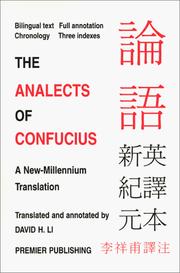
Analetti
Ecco una traduzione di quei pensieri e di quelle gesta che meglio custodiscono la memoria di Confucio: un'opera che per la prima volta si avvale del manoscritto ritrovato a Dingzhou nel 1973, un testo parziale risalente al 55 a.C. e messo a disposizione del mondo accademico soltanto nel 1997. Fondata sugli Analetti (Lunyu) più antichi finora scoperti, questa versione restituisce una prospettiva…
Temi in comune: Ethics, Early works to 1800, Philosophy