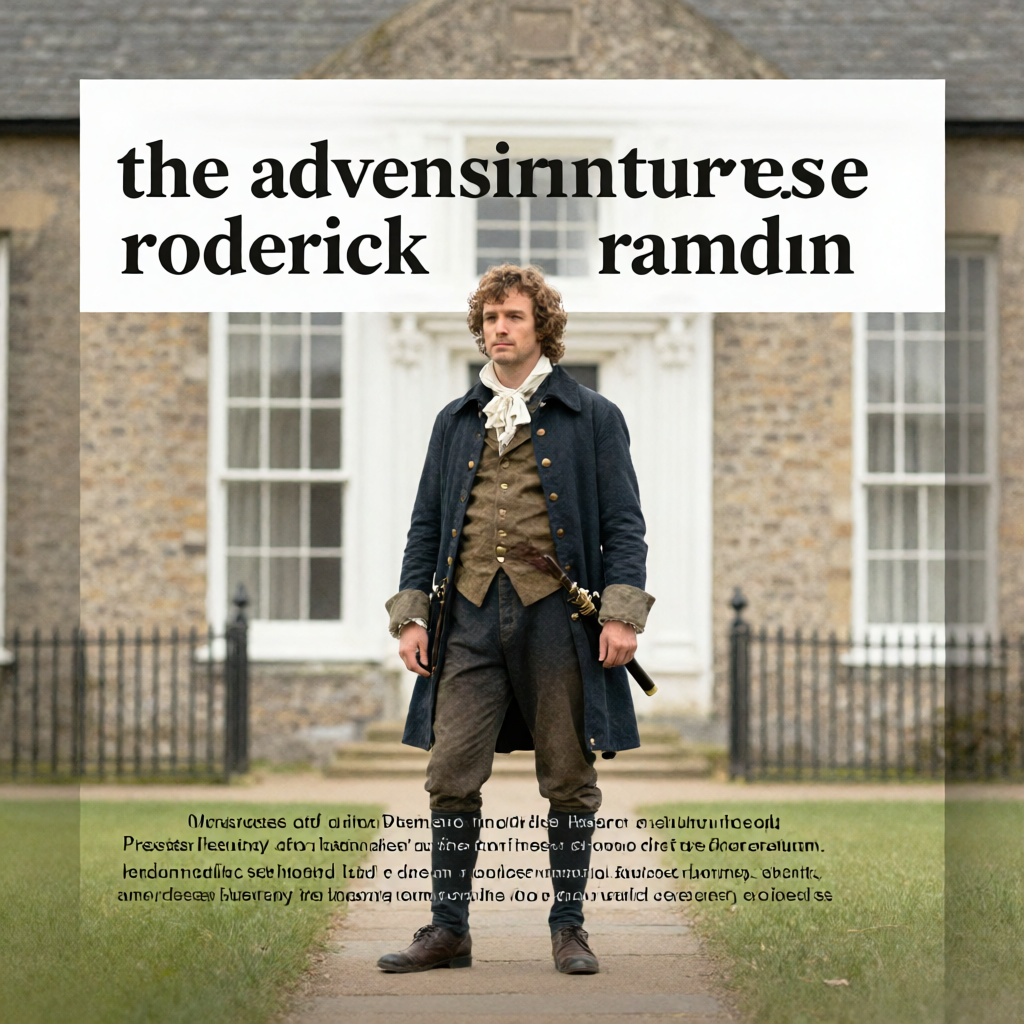
Introduction to Narcissa
Upon entering the dining room, the narrator’s eyes are immediately greeted by the sight of Narcissa, blushing and adorned with all the graces of meekness, innocence, and beauty. He is seized with giddiness and his knees tremble as he performs the ceremony of salutation. The squire introduces him as “Measure Randan,” slapping him on the shoulder. The narrator approaches Narcissa with both eagerness and fear, and in the moment of their embrace, his soul is agonized with rapture. The squire, lacking penetration, encourages the narrator to speak French with his sister, but Narcissa declines this proposal with a sweetness of denial, displaying proper respect for those who would not understand the language. Throughout dinner, the narrator feasts his eyes on Narcissa more than his appetite, though she tempts him with delicious morsels from her fair hand.
The Squire’s Nap
After dinner concludes, the squire becomes exceedingly drowsy. After numerous tremendous yawns, he rises, stretches himself, and takes several turns across the room. He then requests permission to take a short nap, placing a strong injunction upon his sister to detain the guests until his return. Without further ceremony, he departs to his repose. The narrator notes that it was a lucky circumstance that the squire lacked uncommon penetration, for the mutual confusion between the narrator and Narcissa was so manifest that Mr. Freeman perceives it. As they walk home later, Freeman congratulates the narrator on his good fortune, though the squire himself remains entirely unsuspecting.
Freeman’s Withdrawal
No sooner has the squire departed than Freeman, guessing the situation of the narrator’s heart and seeking to do him the greatest favor by leaving him alone with Narcissa, pretends to suddenly recollect himself. He starts up, begs the lady’s pardon for half an hour, and explains that he has unfortunately remembered an engagement of some consequence that must be performed immediately. He takes his leave, promising to return in time for tea, and leaves Narcissa and the narrator together in great confusion, both uncertain how to proceed.
Declaration of Passion
Now that the narrator enjoys the opportunity to disclose the sentiments of his soul, he finds himself unable to utilize it. He studies numerous pathetic declarations, but when he attempts to give them voice, his tongue refuses its office. Narcissa sits silent with a downcast look full of anxious alarm, her bosom heaving with expectation. After a long pause, the narrator finally begins with expressions of surprise that love should act so inconsistently as to deprive its votaries of their faculties when they need them most. He declares his passion for the loveliest of her sex, explaining that it took possession of his soul while cruel fate compelled him to wear a servile disguise unsuitable to his birth, sentiments, and deserts. He confesses that this disguise was favorable in one respect, as it furnished him with opportunities to see and adore her perfections, and that her dear idea entered his bosom where it has lived unimpaired amid countless cares and animated him against a thousand dangers and calamities.
Well-Received
Narcissa, while the narrator speaks, conceals her face with her fan. When he finishes, she recovers herself from the most beautiful confusion and tells him she feels very much obliged by his favorable opinion and is very sorry to hear he has been unfortunate. Encouraged by this gentle reply, the narrator proceeds to declare that he is sufficiently recompensed by her kind compassion for what he has undergone and that his future happiness depends solely upon her. She responds that she would be very ungrateful if, after the signal protection he once afforded her, she should refuse to contribute towards his happiness in any reasonable condescension. Transported by this acknowledgment, the narrator throws himself at her feet and begs her to regard his passion with a favorable eye. She is alarmed, entreating him to rise lest her brother discover him in that posture and to spare her for the present upon a subject for which she is altogether unprepared. He rises, assuring her he would rather die than disobey her, and points out how precious the minutes of this opportunity are and what restraint he places upon his inclinations in sacrificing them to her desires.
The original text of this work is in the public domain. This page focuses on a guided summary article, reading notes, selected quotes, and visual learning materials for educational purposes.