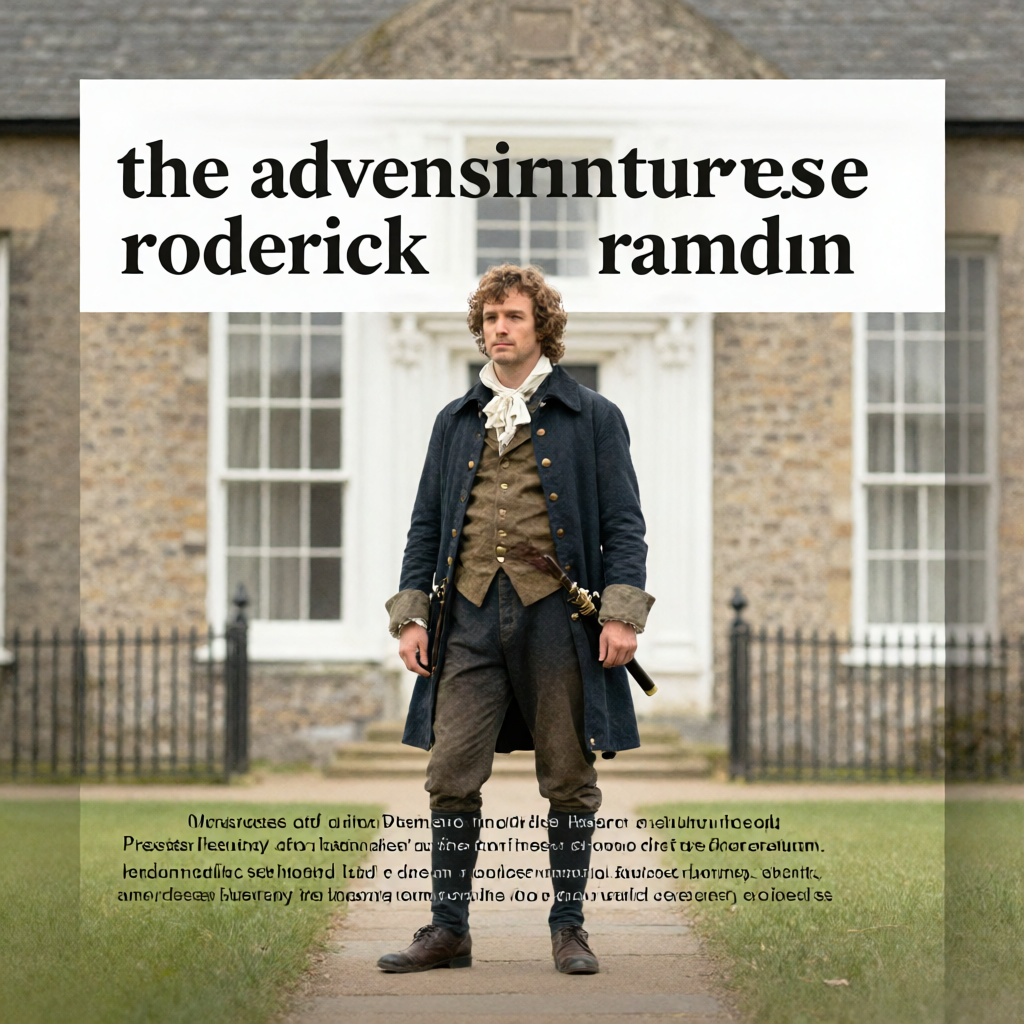
Failed Courtship of Miss Gripewell
Failed Courtship of Miss Gripewell
Tempted by the richness of Miss Gripewell’s fortune, the narrator attempts to practise upon her heart. He soon discovers, however, that it is too well fortified with pride and indifference to yield to any assault made in his own character. Nor will he preserve the borrowed title of marquis beyond the single night of the ball.
Banter’s Barber Prank on Melinda
Banter’s Barber Prank on Melinda
Banter engages his barber, a coxcomb freshly come from Paris whose absurd affectation and grimace will easily pass for the sprightly politesse of a travelled gentleman, by assuring him that Melinda has been captivated by his appearance and desires his acquaintance. The barber is fitted in a tawdry suit of Banter’s clothes and recommended to Chatter as a very pretty fellow just returned from his travels. He is introduced to Melinda at the ball, where he acts his part with such ridiculous extravagance that the mirth of the whole company is excited at his expense. His partner, mortified by the scene, retires before the country dances begin under pretence of sudden illness, and the barber follows her home, convinced that her indisposition is the effect of love and seizing the occasion to declare his passion.
Melinda’s Public Humiliation
Melinda’s Public Humiliation
The barber’s ridiculous performance at the ball draws the ridicule of the entire assembly upon Melinda. So ashamed is she that, before the country dances begin, she retreats in confusion under pretence of sudden illness and is unable to show her face in public for many weeks afterwards. When Chatter can offer the curious no more than the general account that the barber is a man of fortune just returned from his travels, female curiosity is left unsatisfied and the affair becomes a public scandal.
Revenge Scheme Fallout
Revenge Scheme Fallout
Next day the barber, in pure simplicity of heart, reveals himself and the foundation of his hopes to Melinda, who is sickened by the affront. Poor Chatter finds it impossible to justify himself to her satisfaction; he falls into utter disgrace with Miss Gripewell for having imposed the narrator upon her as a nobleman; and his character and influence among the ladies in general suffer very much from the debacle.
Financial Decline and Alcohol Abuse
Financial Decline and Alcohol Abuse
The narrator’s finances have diminished by more than half, and his projects remain no further advanced than on his first day in town. He despairs of success and grows melancholy at the prospect of approaching want. To dispel these horrors he has recourse to the bottle, keeps more company than ever, and grows particularly attached to the playhouse and the company of templars. By these means he learns to shove aside gloomy reflections and call in agreeable reveries, though Strap, his faithful squire, is reduced by grief to the resemblance of a mere skeleton.
Wit and Playhouse Pursuits
Wit and Playhouse Pursuits
Through his playhouse connections, conversations with the actors behind the scenes, and acquaintance with a body of templars, the narrator soon commences a professed wit and critic. He considers himself far better qualified than any of his companions, whom he finds, generally speaking, to be the most ignorant and assuming creatures he has ever known. These avocations enable him to master care and separate his ideas so that, whenever attacked by a gloomy reflection, he can shove it aside and summon some agreeable reverie to his assistance.
First Mysterious Billet-Doux
First Mysterious Billet-Doux
One day the narrator receives by the penny post a letter in a woman’s hand, containing high-flown compliments, warm and poetical protestations of love, and an earnest desire to know whether his heart is engaged. She directs him to leave an answer at a certain place addressed to R. B., and subscribes herself “Your incognita.” The narrator is transported with joy, admires the composition as a masterpiece of tenderness and elegance, and is already up to his ears in love with the author, whom his imagination represents as a young and beautiful lady of fortune. He labours to compose a suitably hyperbolic reply, expresses admiration of her wit, declares himself enamoured of her understanding, and implores the honour of an interview. Strap, dispatched with the letter to a milliner’s house near Bond Street, keeps watch and learns that a chairman carried the reply to the house of a rich gentleman in the neighbourhood, where a waiting-woman received it. At a neighbouring alehouse he is told that the gentleman has an only daughter, very handsome, who will inherit his whole estate, and the narrator concludes that this must be the author of the billet. Walking past the house in state, he glimpses a beautiful young creature at the dining-room window whom he fancies observes him with more than common curiosity, and feigns to stop in the street opposite her station to feast both her view and his own.
The original text of this work is in the public domain. This page focuses on a guided summary article, reading notes, selected quotes, and visual learning materials for educational purposes.