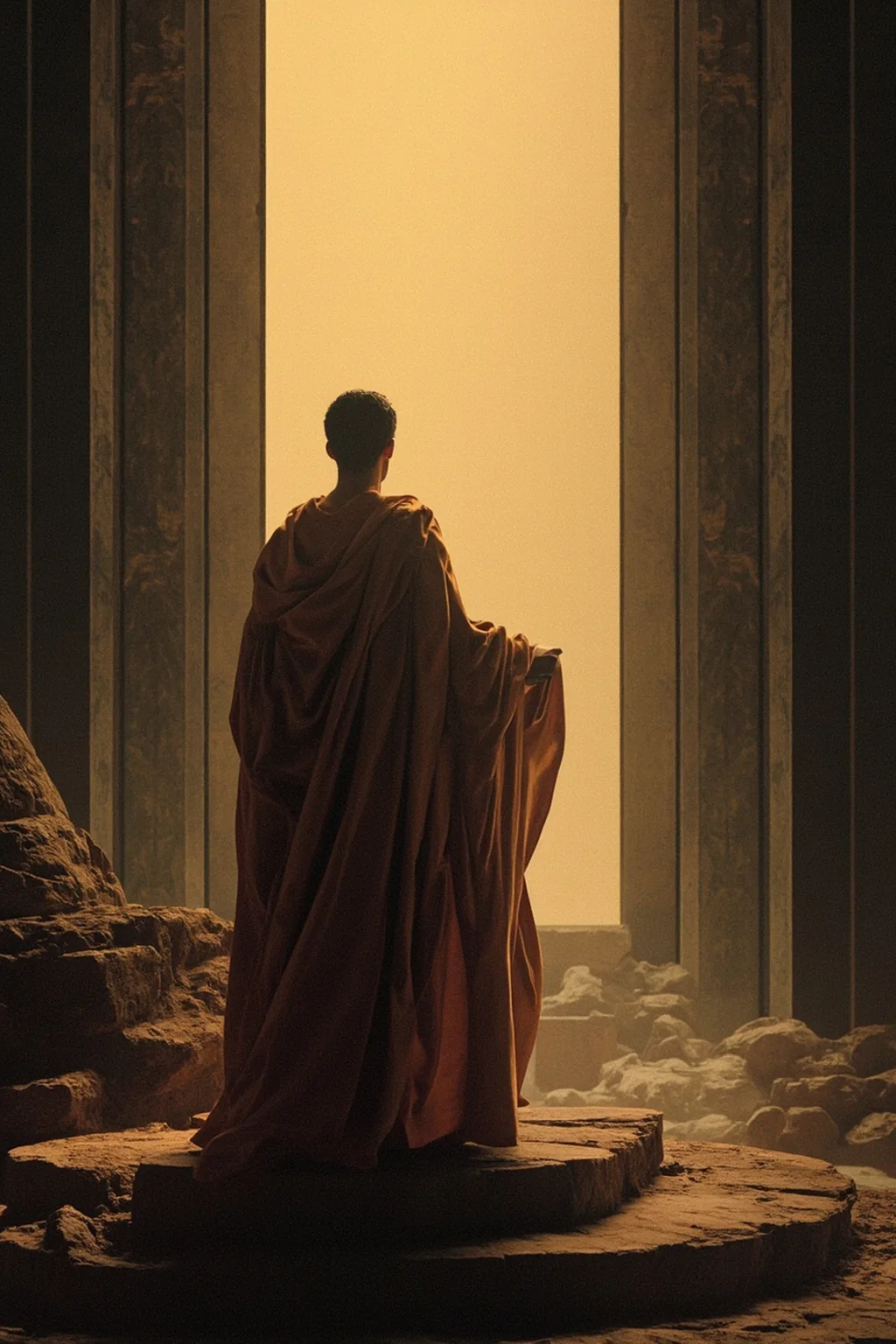
Meditations
Marcus Aurelius, Emperor of Rome
Meditations is the collection of personal, unpublished philosophical reflections written by Roman Emperor Marcus Aurelius (reigned 161–180 AD), a leading Stoic philosopher, as a private self-discipline practice rather than a work intended for public readership. At its core, the text lays out foundational Stoic concepts: the importance of aligning one’s will with universal reason (logos), accepting events outside one’s control with equanimity, prioritizing duty to the common good over personal desire, and practicing self-discipline to overcome destructive emotions like anger and fear. Framed as personal reminders to himself amid the stresses of his imperial rule—including constant military campaigns, deadly plagues, and political unrest—Aurelius advances core arguments that true fulfillment stems not from external status or wealth, but from living virtuously in accordance with nature and reason; that all people deserve fair, compassionate treatment as fellow members of a shared cosmic community; and that suffering arises not from external events themselves, but from one’s own judgments about those events. He repeatedly pushes himself to act with integrity, avoid excess, and focus only on what is within his control rather than fretting over unavoidable hardships, framing these practices as both a personal ethical exercise and a path to meaningful contribution to society.
Best Public Domain Books for Beginners
15 min