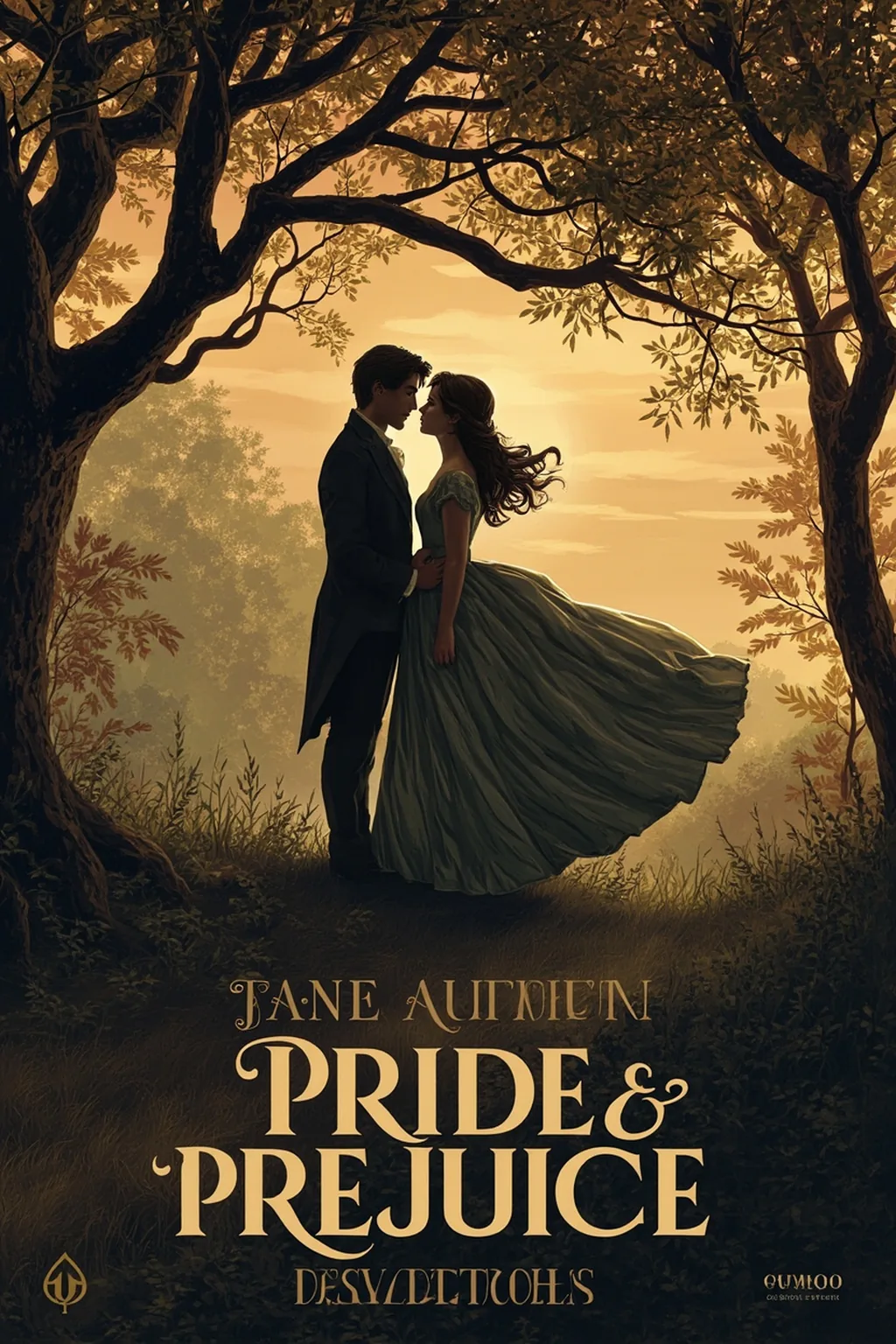
CHAPTER LVII.
The discomposure this visit threw Elizabeth into was not easily overcome. Lady Catherine had actually taken this journey solely to break off her supposed engagement with Darcy. Elizabeth was at a loss to imagine the report’s origin, till she recollected that his being Bingley’s intimate friend and her being Jane’s sister was enough when the expectation of one wedding made everybody eager for another. Lady Catherine’s words recurred uneasily—her nephew must mediate an application. With his notions of dignity, the arguments weak to Elizabeth might contain much good sense to him. If he had been wavering, his aunt’s advice might settle every doubt.
The next morning, going downstairs, Elizabeth was met by her father coming from his library with a letter. “Lizzy, I have received a letter that has astonished me exceedingly. As it principally concerns yourself, you ought to know its contents. I did not know before I had two daughters on the brink of matrimony. Let me congratulate you on a very important conquest.” The colour rushed into Elizabeth’s cheeks, convinced it was from the nephew, not the aunt. “You look conscious. This letter is from Mr. Collins.”
“From Mr. Collins! and what can he have to say?” The letter offered congratulations on Jane’s approaching nuptials, then warned Elizabeth of “another” matter: a young gentleman with “splendid property, noble kindred, and extensive patronage.” The chosen partner was Mr. Darcy; Mr. Collins added that Lady Catherine did not look on the match with a friendly eye. Mr. Bennet, vastly amused, demanded what Lady Catherine had said. Elizabeth replied only with a laugh. She had never been more at a loss to make her feelings appear what they were not.
CHAPTER LVIII.
Instead of any letter of excuse, as Elizabeth half expected, Bingley was able to bring Darcy to Longbourn within a few days. The gentlemen arrived early; before Mrs. Bennet could tell him of their having seen his aunt, Bingley proposed they all walk out. Mrs. Bennet would not walk, Mary could never spare time; the remaining five set off. Bingley and Jane soon allowed the others to outstrip them. Elizabeth, Kitty, and Darcy were left to entertain each other—Kitty too afraid to talk, Elizabeth secretly forming a desperate resolution.
At the Lucases’, Kitty called on Maria, and Elizabeth went boldly on with Darcy alone. “Mr. Darcy,” she began, “I am a very selfish creature, and for the sake of giving relief to my own feelings care not how much I may be wounding yours. Ever since I have known of your kindness to my poor sister I have been most anxious to acknowledge how gratefully I feel it.”
“I am sorry, exceedingly sorry,” replied Darcy in surprise and emotion, “that you have ever been informed of what may, in a mistaken light, have given you uneasiness.” “You must not blame my aunt. Lydia’s thoughtlessness first betrayed to me that you had been concerned.” “If you will thank me,” he replied, “let it be for yourself alone. The wish of giving happiness to you might add force to the other inducements. But your family owe me nothing.”
After a pause he added, “My affections and wishes are unchanged; but one word from you will silence me on this subject for ever.” Elizabeth, though not fluently, gave him to understand that her sentiments had undergone so material a change as to make her receive his present assurances with gratitude and pleasure.
Walking on without knowing the direction, she soon learnt they were indebted for their present understanding to his aunt’s London journey and her report of the conversation at Longbourn, which had given Darcy hope. “I knew enough of your disposition to be certain that, had you been absolutely, irrevocably decided against me, you would have acknowledged it to Lady Catherine frankly and openly.”
They spoke of his letter and her reproaches at his first proposal. He confessed the recollection of his conduct, manners, and expressions was inexpressibly painful. “I have been a selfish being all my life, in practice, though not in principle. Such I was from eight to eight-and-twenty; and such I might still have been but for you, dearest, loveliest Elizabeth! By you I was properly humbled.” She told him how his civility at Pemberley had begun to work a change.
After walking several miles leisurely, they rejoined Bingley and Jane. Darcy had confessed to his friend all that had occurred, owning his former interference absurd and impertinent; Bingley’s surprise was great. Darcy told him, moreover, that he believed himself mistaken in supposing Jane indifferent. Bingley was most unaffectedly modest. Darcy confessed one thing that had for a time offended him: that Jane had been in town three months last winter, that he had known it, and purposely kept it from him. But Bingley had heartily forgiven him now. In the hall they parted.
The original text of this work is in the public domain. This page focuses on a guided summary article, reading notes, selected quotes, and visual learning materials for educational purposes.