The Garden at Dusk
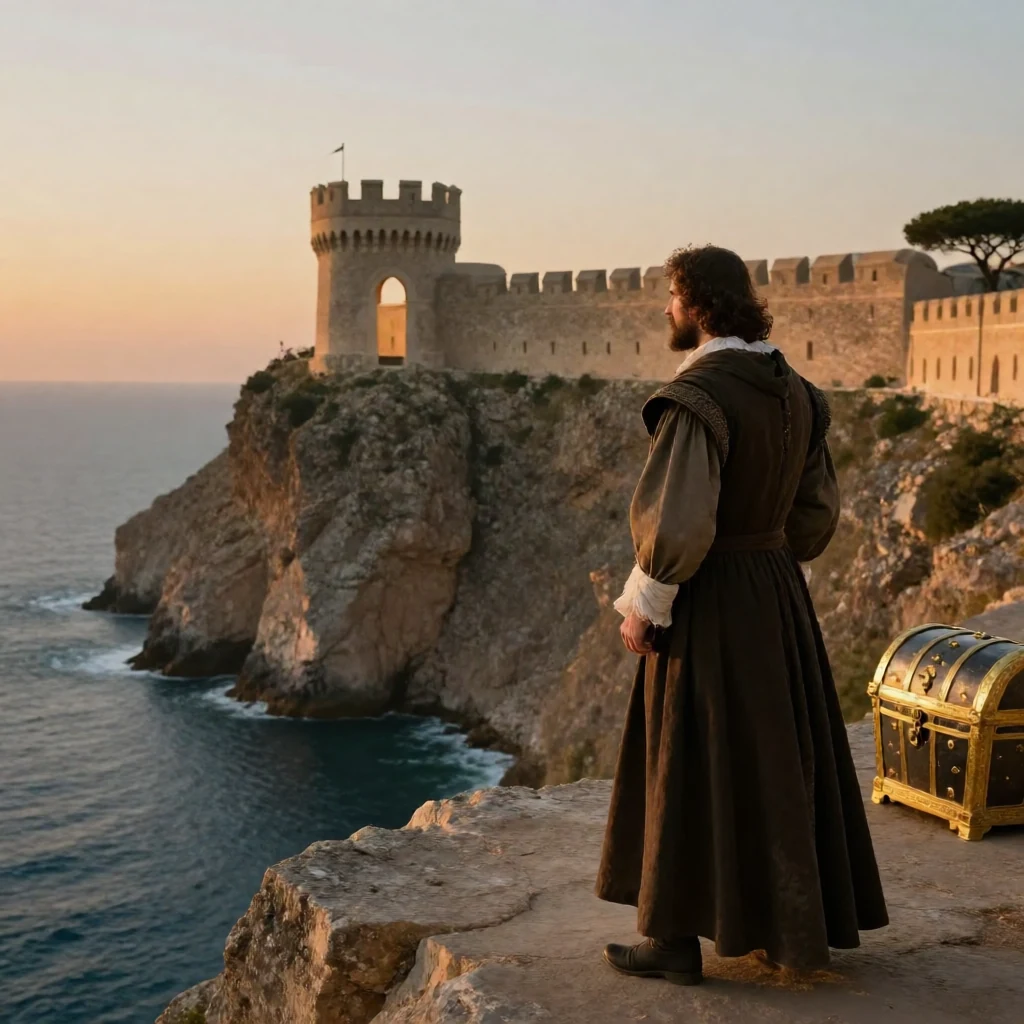
The chapter opens on a warm July evening, at ten o’clock at night, during a ball at M. de Morcerf’s house. The garden is illuminated with colored lanterns in the Italian style, and the last clouds of a passing storm linger in a star-filled sky. Music and dancing fill the ground-floor apartments, while the garden remains occupied only by servants preparing for supper. The beautiful weather has decided the question in favor of serving the meal on the lawn rather than indoors, and the supper table is adorned with wax-lights and flowers.
Supper on the Lawn
The garden is elaborately decorated according to Italian custom, with the finest table luxuries displayed for the guests. Servants have been instructed to prepare the meal outdoors, and the tent on the lawn awaits the guests’ arrival.
Madame Danglars Arrives
Madame Danglars had initially hesitated about attending, considering herself too ill, but Villefort persuaded her that it was important to be seen at the ball. She arrives radiant with splendor and enters just as Mercédès appears. Albert greets her with compliments on her attire and offers his arm. Madame Danglars notes that her daughter Eugénie is present, accompanied by Mademoiselle de Villefort, both in white dresses with matching bouquets.
Rumors About the Count
The Count of Monte Cristo appears to be the most sought-after guest of the evening. Albert reveals that seventeen people have asked him if the Count will attend. Madame Danglars and others discuss the mysterious nobleman’s background, noting that “Monte Cristo” is merely an island name and that his family name is Zaccone. Whispers circulate about his origins as a Maltese, the son of a shipowner, his service in India, and his discovery of a mine in Thessaly. The police have made inquiries into his unusual wealth, though his favorable credentials have protected him from suspicion.
Morrel and Valentine
Albert introduces Captain Maximilian Morrel to Madame de Villefort, who responds with marked coldness, mentioning she previously met him at the Count’s house in Auteuil. Morrel’s spirits revive when he spots Valentine through the crowd—wearing a white dress with a bouquet of myosotis. They exchange a meaningful glance understood between them, each raising flowers to their lips in a silent salute. Despite being separated by the entire length of the room, they remain lost in contemplation of each other.
The Count’s Entrance
The Count of Monte Cristo enters the ball, immediately commanding universal attention. It is not his unexceptional clothing—simple coat, plain waistcoat, well-formed feet—but rather his striking physical appearance that captivates: pale complexion, wavy black hair, calm serene expression, dark melancholy eyes, and a mouth of remarkable delicacy expressing such disdain. His constant habit of thought has given meaning to every aspect of his appearance and gesture.
Among the Guests
The Count approaches Madame de Morcerf, who has watched his entrance through a looking-glass, and they exchange bows without speaking. He then greets Albert, who provides colorful commentary on the assembled politicians and Academicians. One distinguished gentleman discovered a lizard with an extra vertebra; another earned Academy membership for his writing style rather than his experiments on rabbits and fowls. A third has composed comic operas and written for the Siècle. Albert playfully warns that his cicerone services extend only so far, requesting not to be introduced to these intellectual luminaries.
Danglars’s Financial News
Danglars approaches Monte Cristo, who subtly mentions the bankruptcy of Franck & Poulmann of Frankfurt, noting that he withdrew his own million from their hands a month earlier. Danglars turns pale upon learning the bankers have drawn on him for 200,000 francs—a loss he cannot recover. The Count’s casual revelation carries weight, particularly given the presence of young Cavalcanti nearby. The banker hurries away, cautioning discretion about the matter.
Mercédès’s Concern
Mercédès watches the Count intently throughout the evening and notices that he persistently refuses all refreshments offered by servants. When she sends Albert to persuade him to accept something, the Count firmly declines. The Countess grows increasingly pale as she observes his abstinence, noting that he has never taken food under Morcerf’s roof, unlike his breakfast with Albert. Despite her son’s reassurances about the Count’s temperance and the Italian heat, Mercédès suspects his refusal is intentional.
The original text of this work is in the public domain. This page focuses on a guided summary article, reading notes, selected quotes, and visual learning materials for educational purposes.