The Future of the Pioneer
The Future of the Pioneer
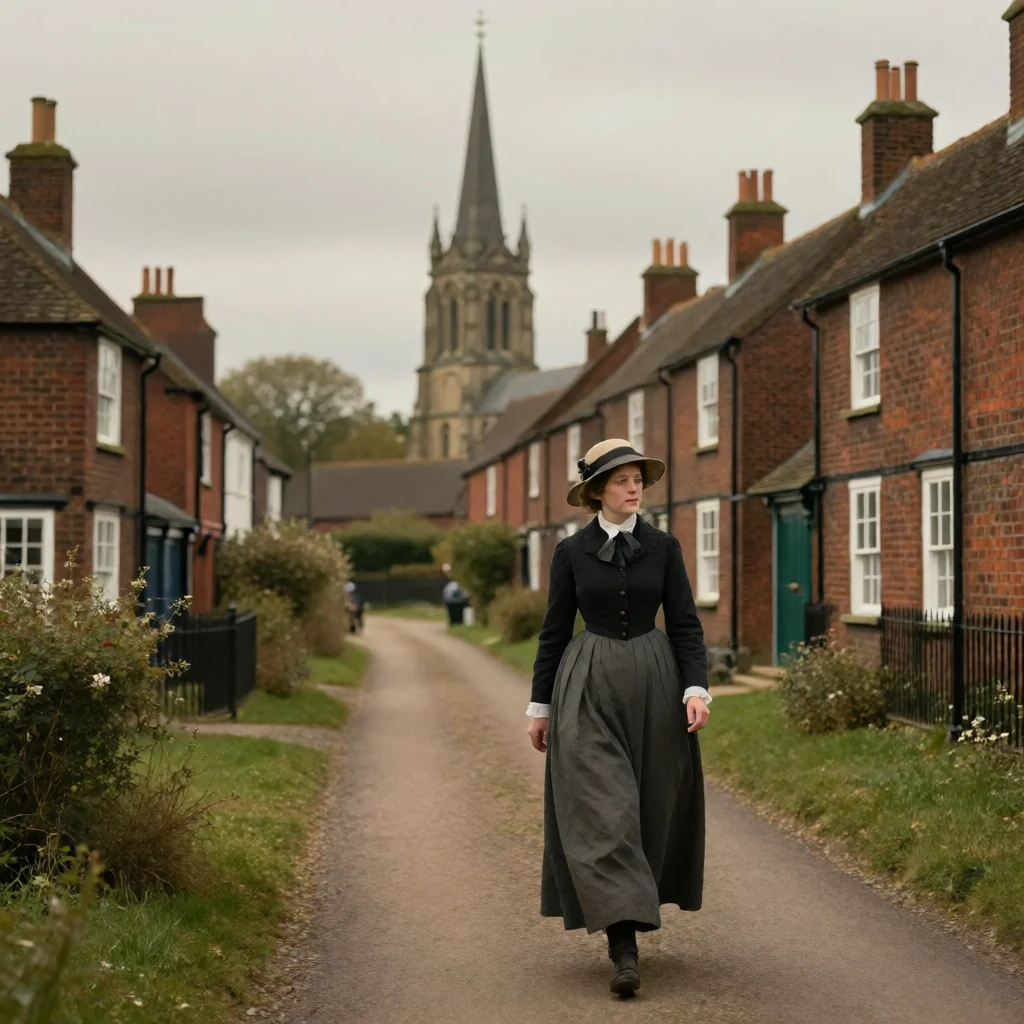
Ladislaw asks directly whether Brooke wishes him to give up the Pioneer, and Brooke, while professing the highest opinion of Ladislaw’s powers and calling him an “alter ego, a right hand,” explains that the political men consulting with him are inclined to take the paper into their hands, indemnify him, and carry it on themselves. He suggests Ladislaw might find a better field and that “these people” might not take as high a view of him as Brooke has done. Brooke mentions plans for a run into France and offers to write letters on Ladislaw’s behalf to Althorpe and similar figures, even claiming to have met Althorpe. Ladislaw replies with stiff pride that since Brooke is parting with the Pioneer, he need not trouble himself about Ladislaw’s future steps, and that he may choose to continue in Middlemarch for the present.
Ladislaw Resolves to Stay
Ladislaw Resolves to Stay
After Brooke leaves, Will reflects bitterly that the rest of the Casaubon family have been urging Brooke to get rid of him, and that Brooke no longer cares about his going. This realization stiffens Will’s resolve. He declares that he will stay in Middlemarch as long as he likes, and when he eventually goes, it will be on his own terms—not because the Casaubons are afraid of him. His wounded pride transforms his earlier impulse to flee into a defiant determination to remain, asserting his autonomy against the machinations of the family and the patronizing dismissal of his employer.
CHAPTER LII.
Chapter LII opens with an epigraph from Wordsworth, and follows the immediate aftermath of Mr. Farebrother’s appointment to the Lowick living: first depicting the joyful reaction of his household, then his own reflections on the responsibilities of his dual parish role, before shifting to Fred Vincy’s visit to discuss his career dilemma and his request for help with his longstanding affection for Mary Garth.
Joy at the Farebrother Household
On the June evening he learns of his appointment to the Lowick living, Mr. Farebrother’s household celebrates with unbridled joy: his mother is quietly emotional, his sister Miss Winifred cries with happiness, and his aunt Miss Noble immediately plans to share extra sweets with local children. The family teases Farebrother about marriage, suggesting potential matches including Mary Garth, and he states he will prioritize his parish duties over leisure activities like whist.
Fred Vincy’s Dilemma
Less than a week after his appointment, Mr. Farebrother receives a visit from Fred Vincy, who has returned from Omnibus College with his bachelor’s degree. Fred confides that he feels obligated to pursue ordination to appease his father, despite having no interest in the clergy, no access to capital for farming, and no viable path to study law or medicine. He laments that he sees no other way to support himself, and frames the decision as a choice forced by his circumstances.
A Reluctant Plea
Fred reveals he has loved Mary Garth since childhood, and notes she has previously asked him not to discuss his feelings and is firmly opposed to him entering the Church. He begs Mr. Farebrother to speak to Mary about his potential ordination, asking her to share her true feelings for him: he will only pursue a career path that gives him a chance of being with her, and would commit to working hard as a clergyman if she supports the choice. Farebrother reluctantly agrees to take on the delicate request.
The Vicar’s Visit to Lowick
The same day he agrees to help Fred, Mr. Farebrother travels to Lowick parsonage, where he finds Mary Garth gathering rose petals in the garden. Before bringing up Fred’s request, he reassures Mary that her past refusal to help Fred destroy John Featherstone’s will had no negative impact on Fred’s inheritance, as the will would have been legally invalid if contested, to ease any guilt she may have felt over the incident.
The original text of this work is in the public domain. This page focuses on a guided summary article, reading notes, selected quotes, and visual learning materials for educational purposes.