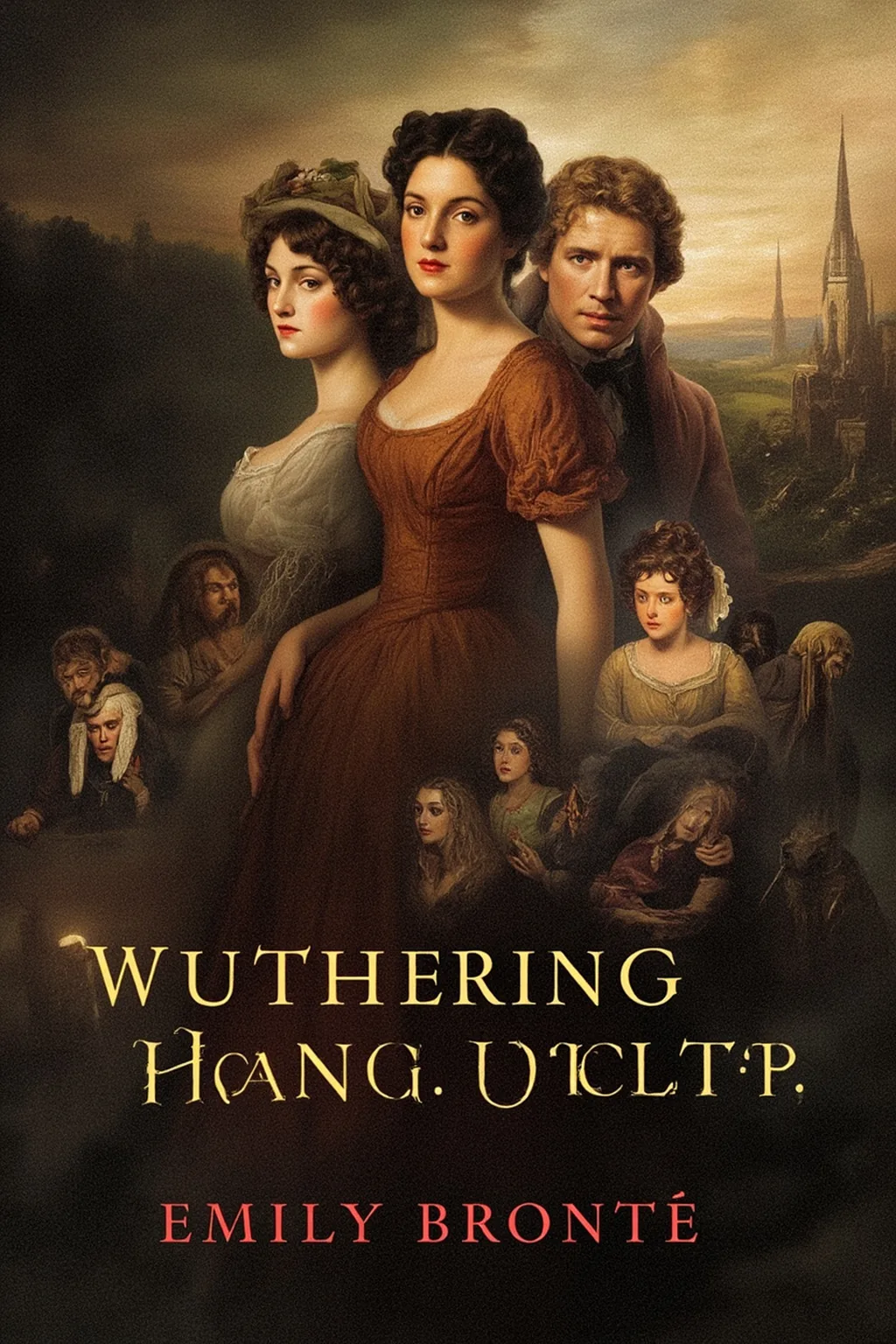
Mr. Lockwood, a new tenant at Thrushcross Grange, uncovers the turbulent history of his neighbors, the Earnshaws and Lintons, through the housekeeper Nelly Dean. Her tale recounts the orphan Heathcliff’s degradation and his fierce bond with Catherine Earnshaw, a connection severed by her marriage to Edgar Linton. Heathcliff returns years later to exact a brutal revenge on the families, corrupting the next generation and claiming the estates. Only after his death does the cycle of violence break, allowing the young Catherine and Hareton to heal the wounds of the past.
The following morning brought a tense, silent breakfast. Isabella, feeling a surge of reckless superiority, sat near the fire and twisted the knife in Heathcliff’s wound. She whispered to Hindley, who was sick and pale, that Heathcliff had trampled and kicked him while he was down, describing him as a fiend. She then turned her attention to Heathcliff, remarking loudly that Catherine would have been alive had it not been for him, and that she was glad to be hated rather than loved by such a monster. Heathcliff, absorbed in his anguish, seemed to shrink under her words, his eyes raining tears among the ashes. However, when Isabella continued, suggesting that if Catherine had lived with him, she would have eventually shown the same disgust and detestation that Isabella felt, Heathcliff’s grief turned to fury. He snatched a dinner-knife from the table and flung it at her head. It struck her neck, stopping her speech. She pulled it out, sprang to the door, and delivered a final, stinging insult before fleeing. Heathcliff rushed to catch her, but Hindley, roused by the scuffle, intercepted him, and the two men fell locked together on the hearth. Seizing the moment, Isabella ran from the house, knocking over Hareton in the kitchen, and fled across the wintry moors to the sanctuary of the Grange.
Having finished her tale, Isabella drank her tea and prepared to leave immediately. Despite Nelly’s pleas, she kissed the portraits of Edgar and Catherine, embraced Nelly, and descended to the waiting carriage. She was driven away, never to return to the neighbourhood, establishing a new life near London in the South. There, a few months later, she gave birth to a sickly son named Linton. Heathcliff, when he learned of the child, smiled grimly and declared he would have the boy when he wanted him, though he did not molest Isabella further, content to wait.
Edgar Linton was deeply relieved by his sister’s escape, though his abhorrence of Heathcliff was so intense that he refused to hear mention of him. Grief and this aversion transformed Edgar into a complete hermit. He abandoned his duties as magistrate, ceased attending church, and avoided the village, spending his days in solitary seclusion within the grounds of the Grange or visiting Catherine’s grave. However, his melancholy was sweetened by the presence of his daughter. The infant Catherine, whom he called Cathy, quickly became the despot of his heart, a living link to the mother he adored.
The original text of this work is in the public domain. This page focuses on a guided summary article, reading notes, selected quotes, and visual learning materials for educational purposes.