CAPÍTULO 54. A Flurry in Stocks
Chapter 54, titled “A Flurry in Stocks,” centers on Albert de Morcerf’s visit to the Count of Monte Cristo at his Champs-Élysées residence, accompanied by Lucien Debray. The gathering serves as the occasion for a series of intertwined conversations: Monte Cristo deduces that Lucien is acting as Madame Danglars’ eyes and ears, the proposed marriage between Albert and Eugénie Danglars is debated (with the Comtesse de Morcerf’s opposition revealed), Madame Danglars’ reckless speculation in Haiti bonds is exposed, and Albert suggests a way to punish her trading habits. The chapter closes with Monte Cristo announcing an Auteuil dinner for the Danglars and Villeforts—deliberately excluding the Morcerfs—and Albert inviting Monte Cristo to a private family dinner, which the Count declines by citing a prior engagement with the newly introduced Cavalcantis. Chapter 54, “A Flurry in Stocks,” features a long conversation between the Count of Monte Cristo and Albert de Morcerf, covering the Major Cavalcanti, news of Franz, multiple marriages, Albert’s departure, and the count’s mysterious plans for a dinner at his Auteuil house, which he conveys to Bertuccio through cryptic instructions.
CAPÍTULO 54. A Flurry in Stocks
Chapter 54, titled “A Flurry in Stocks,” centers on Albert de Morcerf’s visit to the Count of Monte Cristo at his Champs-Élysées residence, accompanied by Lucien Debray. The gathering serves as the occasion for a series of intertwined conversations: Monte Cristo deduces that Lucien is acting as Madame Danglars’ eyes and ears, the proposed marriage between Albert and Eugénie Danglars is debated (with the Comtesse de Morcerf’s opposition revealed), Madame Danglars’ reckless speculation in Haiti bonds is exposed, and Albert suggests a way to punish her trading habits. The chapter closes with Monte Cristo announcing an Auteuil dinner for the Danglars and Villeforts—deliberately excluding the Morcerfs—and Albert inviting Monte Cristo to a private family dinner, which the Count declines by citing a prior engagement with the newly introduced Cavalcantis.
Albert and Lucien Visit Monte Cristo’s Champs-Élysées Residence
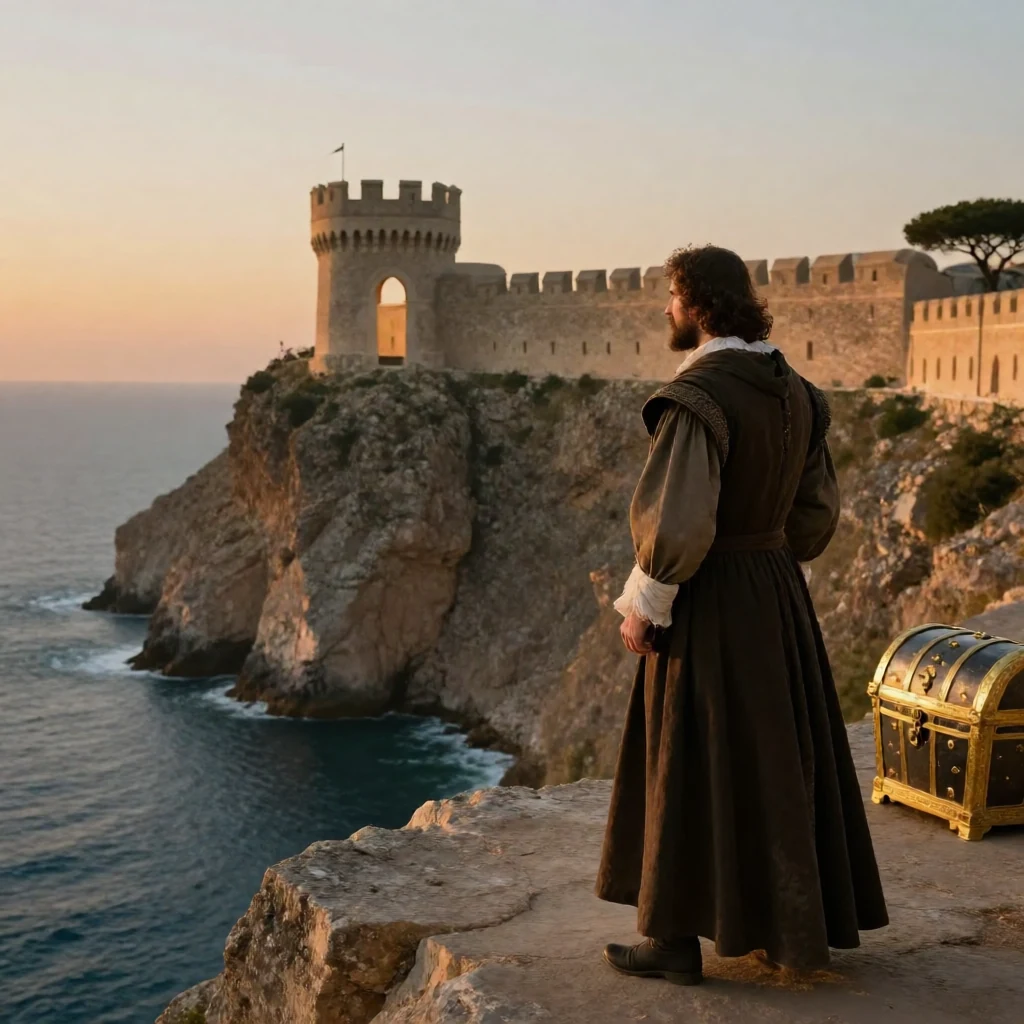
Albert de Morcerf visits the Count of Monte Cristo at his house in the Champs-Élysées, which has taken on the appearance of a palace befitting the count’s princely fortune. Albert comes to renew the thanks of Madame Danglars, who had previously conveyed them via a letter signed “Baronne Danglars, née Hermine de Servieux.” Albert is accompanied by Lucien Debray, who adds compliments whose source Monte Cristo easily identifies through his talent for finesse.
The Count Discovers Lucien Acts on Madame Danglars’ Behalf
Monte Cristo becomes convinced that Lucien’s visit stems from a double curiosity largely emanating from the Rue de la Chaussée d’Antin. Because Madame Danglars cannot personally examine the household arrangements of a man who gives away horses worth 30,000 francs and attends the opera with a Greek slave wearing diamonds worth a million, she has deputed Lucien to report on Monte Cristo’s mode of life. The count, however, gives no indication that he suspects any connection between Lucien’s visit and the baroness’s curiosity.
Discussion of the Proposed Morcerf-Danglars Marriage
Monte Cristo asks Albert whether he remains in constant communication with the Baron Danglars, and Albert replies that the proposed marriage is “more than ever a settled thing,” as confirmed by Lucien. After this remark, Lucien makes himself scarce by examining the apartment’s arms and pictures. Monte Cristo notes that he had not expected the affair to be concluded so promptly. Albert explains that events take their course without assistance and traces the origins of the union to the Spanish service, where his father and M. Danglars—one in the army, the other in the commissariat—laid the foundations of their fortunes. The conversation turns to Eugénie Danglars’ beauty, though Albert professes not to appreciate her style, prompting Monte Cristo to observe that he does not seem very enthusiastic about the marriage.
Albert Cites His Mother’s Opposition to the Marriage
Albert confesses that his objection to the marriage is not wholly on his own side. When Monte Cristo presses him, Albert reveals that his mother, the Comtesse de Morcerf, dissents from the union, despite Albert being unable to account for her prejudice against the Danglars. Monte Cristo suggests the explanation may lie in the countess’s aristocratic pride against alliance with one of ignoble birth, but Albert notes that a planned meeting six weeks earlier was postponed because of a sudden attack of indisposition, and the two-month delay expires next week. Albert laments his harassed mind and envies the count’s freedom, while Monte Cristo responds with the significant shrug, “Marry her then.”
The original text of this work is in the public domain. This page focuses on a guided summary article, reading notes, selected quotes, and visual learning materials for educational purposes.