CHAPITRE LXXXVI.
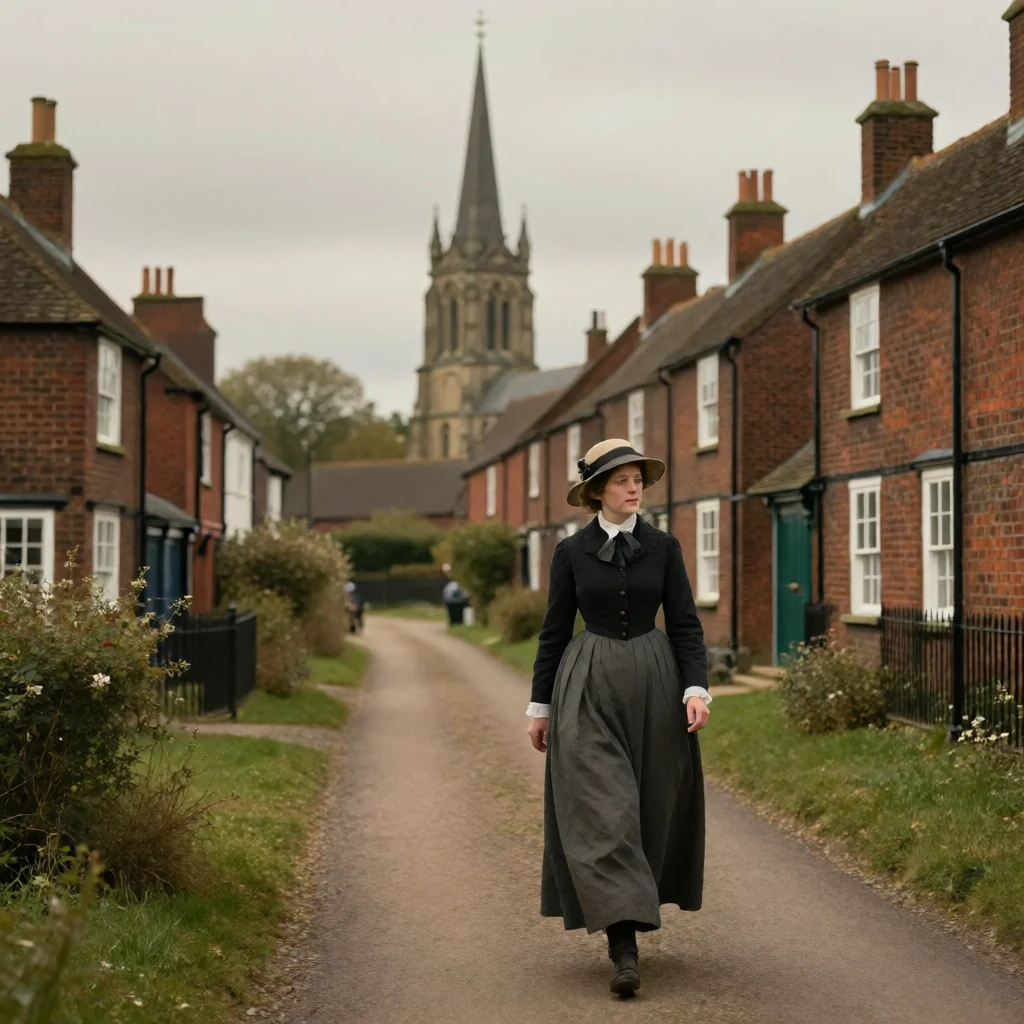
This concluding chapter of the narrative traces the later lives of Dorothea Brooke, her husband Will Ladislaw, and their extended social circle, covering family reconciliation, the resolution of Mr. Brooke’s estate plans, local perceptions of Dorothea’s life choices, and a broader meditation on the value of uncelebrated good deeds.
Dorothea and Will’s Fulfilled Marriage
Dorothea never regrets her decision to marry Will Ladislaw, despite the disapproval of figures like Sir James Chettam, who pity her for giving up social status and fortune to become a wife and mother. The couple is bound by a deep, unwavering love that withstands all external pressure. Will becomes an active public reformer focused on addressing social wrongs, eventually elected to Parliament with support from constituents who covered his campaign expenses, and Dorothea happily supports his work as a devoted partner.
Celia’s Plea to Visit Dorothea’s Newborn Son
When Dorothea gives birth to a son, her sister Celia is distraught that Sir James Chettam refuses to let her visit Dorothea and the new baby. Celia begs Sir James to change his mind, arguing Dorothea will struggle to care for the infant, and drawing a sharp parallel to the pain she would feel if she and her own son were barred from visiting Dorothea in a similar situation. Sir James relents and agrees to take Celia to see Dorothea the following day.
Mr. Brooke Abandons Entail Plans
Mr. Brooke travels to Freshitt to reaffirm his long-held plan to cut off the entail on his estate as a precaution against “low blood” in his future heir, but finds Sir James Chettam unexpectedly opposed to the scheme. Softened by Celia’s desire for family reconciliation, Sir James advises Mr. Brooke to leave the entail unchanged. Mr. Brooke is quietly relieved to no longer be expected to follow through with his radical, previously planned step.
Reconciliation of the Ladislaw and Freshitt Families
With Sir James’s consent, the Ladislaw and Freshitt families reconcile, a process eased by the close, enduring bond between Dorothea and Celia. Sir James and Will Ladislaw maintain a tolerant, cordial relationship in the presence of the two sisters, and it becomes an established custom for the Ladislaws to visit the Grange at Freshitt at least twice a year, with the extended families growing close and comfortable over time.
Mr. Brooke’s Later Life and Estate Inheritance
Mr. Brooke lives to a good old age, and his estate is inherited by Dorothea’s son. The son declines to run for a parliamentary seat representing Middlemarch, believing his personal views will face less suppression if he remains outside of formal political office.
Middlemarch’s View of Dorothea’s Life Choices
Sir James continues to view Dorothea’s marriage to Will Ladislaw as a mistake, and this becomes the dominant local narrative about her in Middlemarch. Younger generations are taught that Dorothea first married a much older, sickly clergyman (her first husband, Casaubon) and, less than a year after his death, gave up her estate to marry his far younger, property-less, lower-born cousin. Residents who do not know Dorothea personally often judge her harshly, claiming she could not have been a virtuous woman to have made either of these marital choices.
Reflection on Unhistoric Acts of Good
The chapter closes with a reflection on Dorothea’s life: her major life choices were not perfectly ideal, shaped as they were by her noble impulses constrained by the limitations of her era’s social structures. While she did not achieve widespread public fame, her positive influence on those around her was far-reaching and unquantifiable. The narrator argues that the progress of good in the world depends heavily on the quiet, uncelebrated acts of ordinary people living faithful, hidden lives, whose impact is no less meaningful for being unrecorded in official history.
The original text of this work is in the public domain. This page focuses on a guided summary article, reading notes, selected quotes, and visual learning materials for educational purposes.