Will’s Outburst
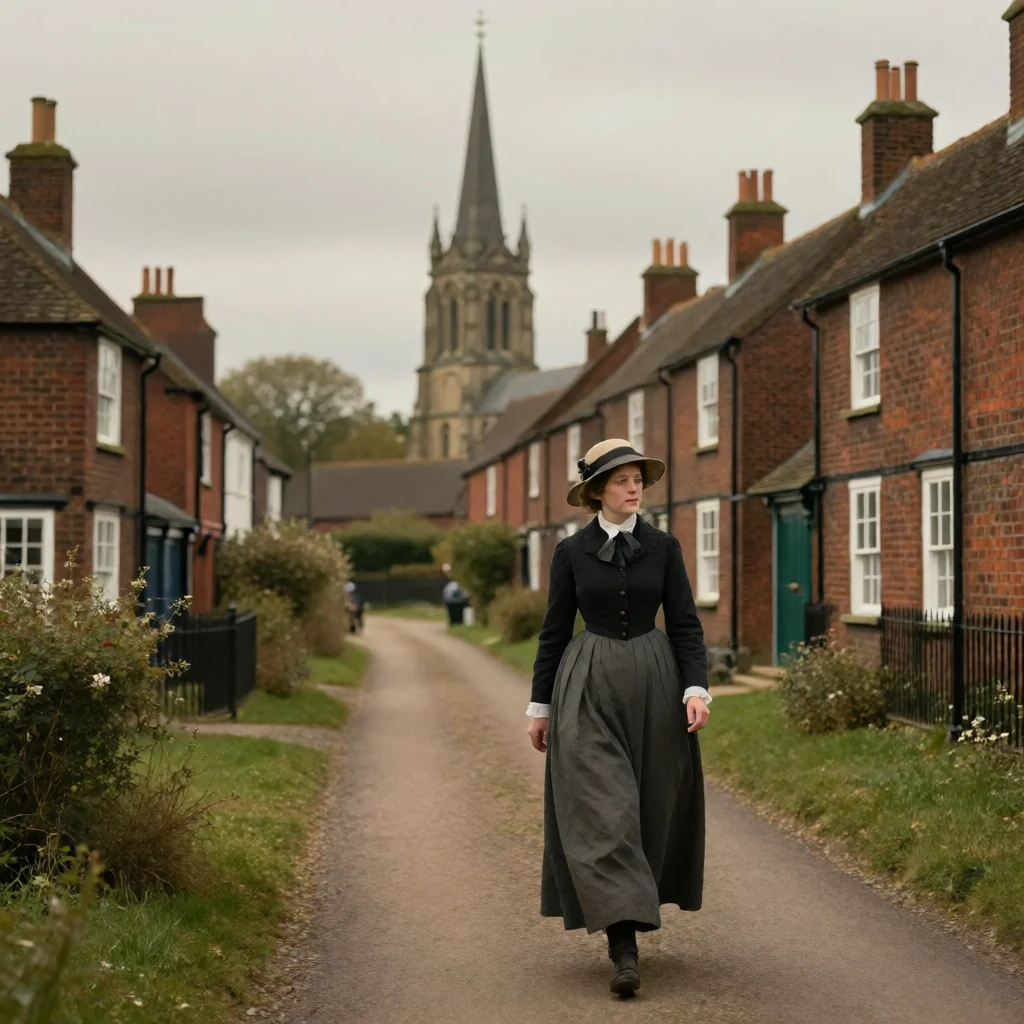
Dorothea sits on a low ottoman, looking at the drear world outside while Will seats himself beside her, laying his hand on hers. They sit silently until the rain quiets, each full of thoughts neither can begin to utter. When Dorothea turns to look at him, Will suddenly stands, exclaiming “It is impossible!” with the passion of someone threatened by a torture screw. He battles his own anger, then bursts out that their situation is “as fatal as a murder or any other horror that divides people”—more intolerable because their life is “maimed by petty accidents.” When Dorothea gently suggests his life need not be maimed, he says it must, accusing her of unkindness in speaking as if there were comfort, of throwing back his love as if it were a trifle. He declares they can never be married, bitterly asking what use there is in counting on any success of his, since he can barely keep himself decent unless he “choose to sell myself as a mere pen and a mouthpiece.” He could not offer himself to any woman, even one with no luxuries to renounce.
Dorothea’s Declaration
The silence stretches until Will turns to the window, stretching his hand toward his hat with exasperation and saying “Good-by.” At this, Dorothea starts from her seat, her flood of young passion bearing down all the obstructions that kept her silent. “I don’t mind about poverty—I hate my wealth,” she declares, her great tears rising and falling. Will’s arms are around her instantly, but she holds him gently away so she can continue speaking, her large tear-filled eyes looking at him with simple sincerity. She offers that they could live quite well on her fortune—it is too much, seven hundred a year, she wants so little, no new clothes, and she will learn what everything costs.
CHAPTER LXXXIV.
Chapter LXXXIV opens at Freshitt Hall shortly after the Lords have thrown out the Reform Bill, setting a political backdrop for the gathering of the Brooke, Chettam, and Cadwallader families on the lawn and in the house. The chapter centers on Mr. Brooke’s revelation of Dorothea’s intention to marry Will Ladislaw, which provokes strong reactions from Sir James Chettam, measured counsel from the Rector, and culminates in Celia’s journey to Lowick to speak with her sister about the engagement.
The Reform Bill and Peerages
The scene is set at Freshitt Hall right after the Lords’ rejection of the Reform Bill. Mr. Cadwallader, holding the Times behind his back, discusses the political situation with Sir James in the detached manner of a trout-fisher, while the ladies, including the Dowager Lady Chettam and Mrs. Cadwallader, talk more fitfully about the intended creation of peers. Mrs. Cadwallader relates gossip about Truberry, whose wife has supposedly turned him against the Bill in pursuit of a peerage that would let her outrank her sister, Lady Chettam. The conversation turns to the social advantages of titles—Celia admits it is “nicer to be ‘Lady’ than ‘Mrs.,’” though she notes that “Dodo” never cared for precedence, and a brief exchange follows about little Arthur’s hypothetical viscountcy and the value of Sir James’s older baronetcy.
Mr. Brooke’s Arrival
Mr. Brooke arrives looking dejected, a mood initially attributed by the company to the political situation. As he shakes hands all around with a distracted “Well, you’re all here, you know,” the Rector teasingly tells him not to take the Bill’s defeat so much to heart. Mr. Brooke, however, hints at a separate cause for his distress, asking Sir James not to blame him and suggesting the matter be discussed inside the house. He rambles about poachers and the duties of a magistrate before Mrs. Cadwallader, impatient, demands to know the sad news.
The Revelation of Dorothea’s Engagement
Once seated indoors, Mr. Brooke, in his characteristic way of introducing painful things among disjointed particulars, at last reveals the news: Dorothea is going to be married again, and her intended husband is Will Ladislaw. Celia immediately identifies the matter as “about Dodo,” whom she has long regarded as the dangerous element of the family. Mrs. Cadwallader exclaims in disbelief, the Rector notes quietly that Ladislaw might have returned from abroad, and Sir James, told of the engagement that very day, turns nearly white with anger.
The original text of this work is in the public domain. This page focuses on a guided summary article, reading notes, selected quotes, and visual learning materials for educational purposes.