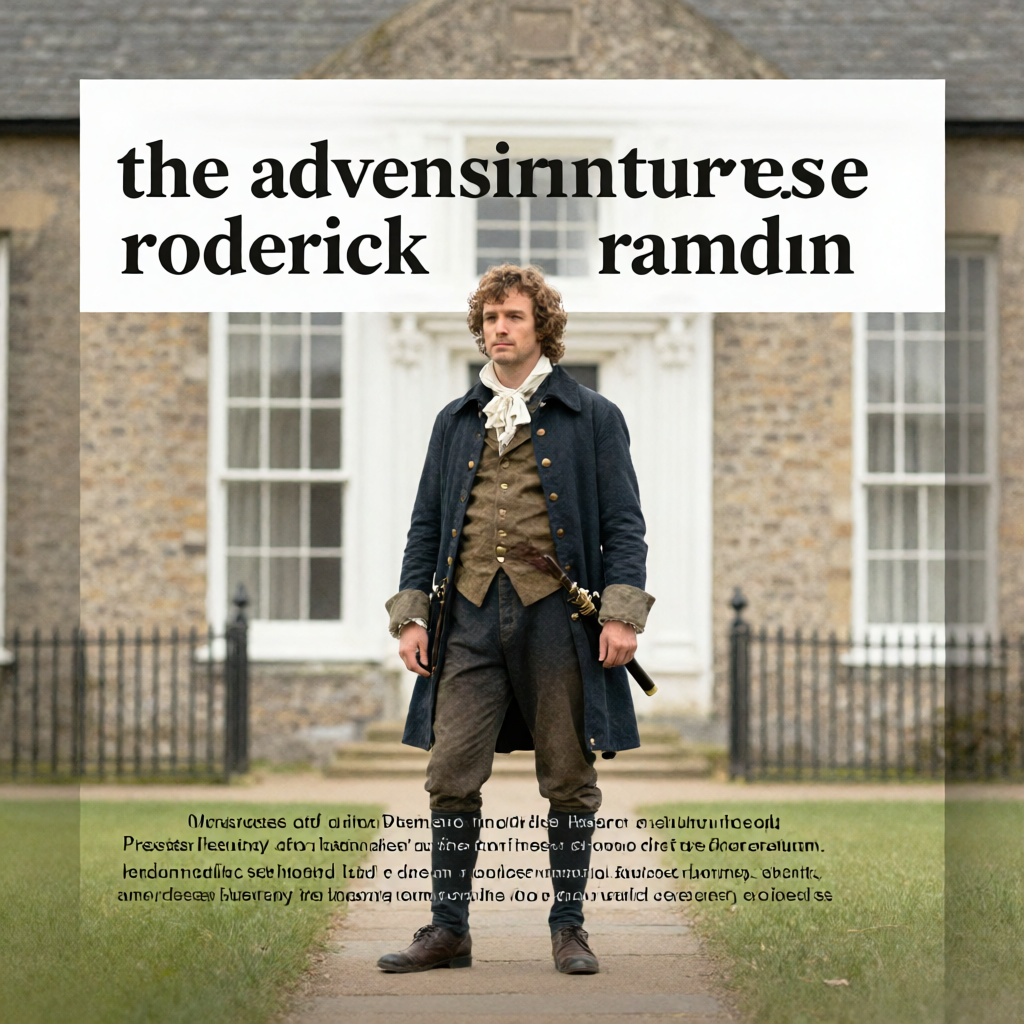
Journey to Grandfather’s House
The uncle and the narrator, who by his uncle’s bounty now made a very decent appearance, departed together for the grandfather’s house. Their arrival was marked by an encounter with Jowler and Caesar, two dogs that the young cousin had let loose at their approach.
Encounter with the Dogs
Being well acquainted with the ferocity of these curs, the narrator was about to flee, but his uncle seized him with one hand, brandished his cudgel with the other, and at one blow laid Caesar sprawling on the ground. Finding himself attacked at the same time in the rear by Jowler, and fearing Caesar might recover, the uncle drew his hanger, wheeled about, and by a lucky stroke severed Jowler’s head from his body.
Defeat of the Dogs
By this time, the young foxhunter and three servants armed with pitchforks and flails came to the assistance of the dogs, whom they found breathless upon the field. The young squire was so provoked at the death of his favorites that he ordered his attendants to advance and take vengeance on their executioner, loading the uncle with all the curses and reproaches his anger could suggest. The uncle stepped forward with an undaunted air, at the sight of whose bloody weapons his antagonists fell back with precipitation.
Confrontation with the Young Squire
The uncle addressed the young squire, explaining that the dogs had boarded him without provocation and what he did was in self-defense. He advised the squire to be civil and let them pass. Whether the young squire misinterpreted the uncle’s desire of peace or was enraged at the fate of his hounds beyond his usual pitch of resolution is unclear, but he snatched a flail from one of his followers and threatened to assault the lieutenant, who responded with a nautical declaration of his own. The young gentleman’s choler was checked when he perceived that his attendants had slunk into the house, shut the gate, and left him to decide the contention by himself.
Admission to the Grandfather
A parley ensued during which the young squire demanded to know who the uncle was and what he wanted. After a few minutes’ pause, they were admitted and conducted to the grandfather’s chamber through a lane of relations who honored the narrator with very significant looks as he passed along. The grandfather, laid up with the gout, received this relation after his long absence with coldness of civility.
Dialogue with the Judge
The uncle, after two or three sea-bows, addressed the grandfather as “father” and explained that the boy with him was Roderick Random, his own nephew and the grandfather’s flesh and blood. He demanded that the grandfather do something for the poor boy who had been used at a very unchristian rate. He contrasted this neglect with the favor shown to the young squire, pointing out that the narrator was equally near akin to the grandfather. He rebuked the grandfather for his wrongs to the narrator’s father and urged him to make satisfaction before it be too late.
The Uncle’s Rebuke
The young ladies, feeling too concerned to contain themselves, raised their voices against the uncle, calling him a scurvy companion, saucy tarpaulin, and rude, impertinent fellow. The judge commanded silence and calmly rebuked the uncle for his unmannerly behavior, which he said he would excuse on account of the uncle’s education. He claimed he had been very kind to the boy, having kept him at school seven or eight years, although he had been informed the boy made no progress and was addicted to all manner of vice. The uncle hotly contested these claims, declaring that the narrator was actually the best scholar of his age in all the country, and that he had been left like a wreck at the mercy of the wind and weather by the grandfather’s neglect. When the judge offered to bind the narrator apprentice to a tradesman, the uncle roundly refused, saying he would rather see the boy hanged than apprenticed to a tailor.
The original text of this work is in the public domain. This page offers a compressed quick-read summary for educational purposes.