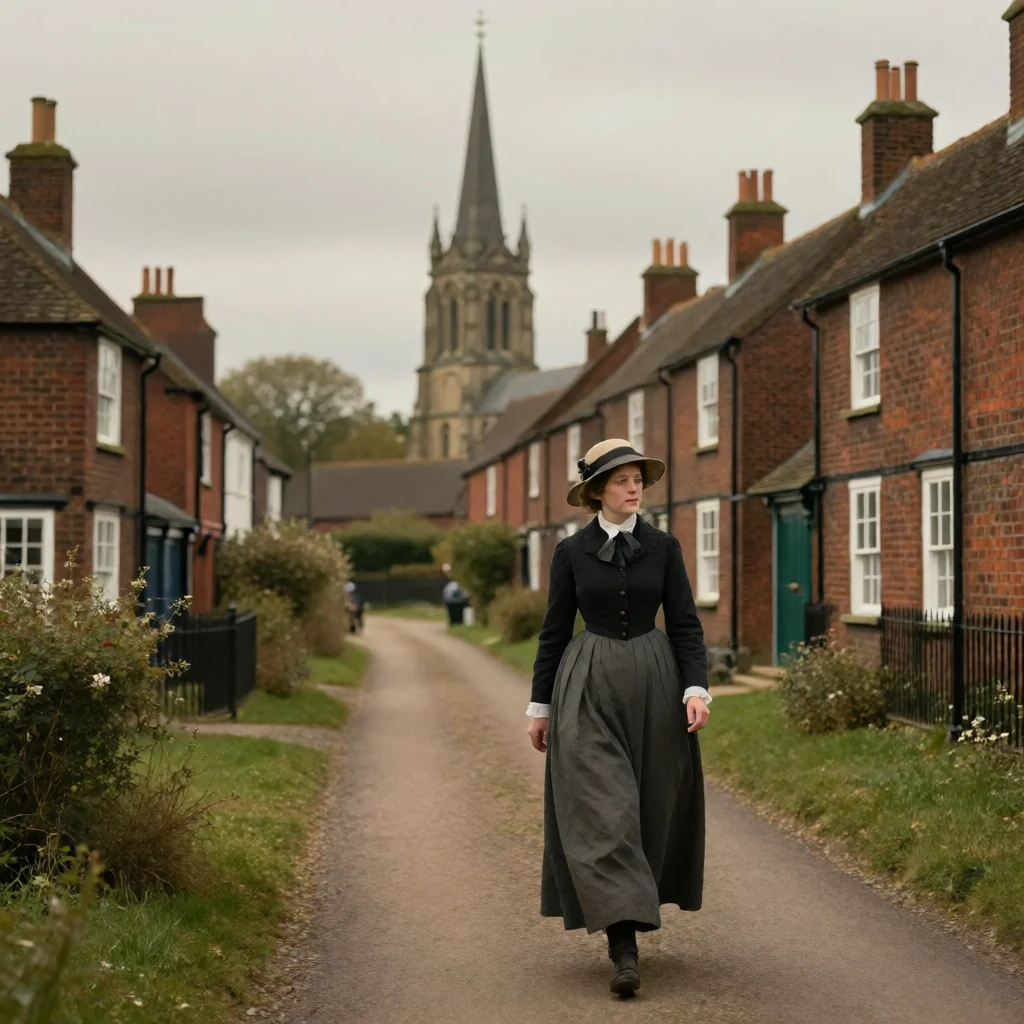
The Swamp of Debt
The cause Lydgate has generously but mistakenly avoided mentioning to Rosamond is debt. He cannot keep from mind that he is daily getting deeper into a swamp that tempts men toward it with a pretty covering of flowers and verdure. It is wonderful how soon a man gets up to his chin in such a condition, forced to think chiefly of release even when he had a scheme of the universe in his soul. Eighteen months ago Lydgate was poor but had never known the eager want of small sums and felt contempt for those who descended a step to gain them. Now he is assailed by the vulgar, hateful trials of a man who has bought and used many things he might have done without and is unable to pay for, though the demand for payment has become pressing.
Household Expenses
The debt arose without need of much arithmetic. When setting up a house for marriage, Lydgate found his furniture and initial expenses came to four or five hundred pounds more than his capital. After a year, household expenses, horses, and so forth amounted to nearly a thousand, while his practice, reckoned at eight hundred per annum, had sunk like a summer pond to hardly five hundred, mostly in unpaid entries. The plain inference is that he is in debt. Though provincial life was comparatively modest, a medical man who had bought a practice, kept two horses, supplied his table without stint, paid insurance on his life, and paid high rent could easily find expenses doubling receipts. Rosamond, accustomed to an extravagant household, thought good housekeeping meant simply ordering the best of everything; Lydgate supposed that if things were done at all, they must be done properly. Each would have dismissed suggestions of saving as mean and penny-wise. Rosamond was fond of giving invitations, and Lydgate, though he found the guests tiresome, did not interfere, regarding sociability as necessary professional prudence. Lydgate prided himself on being careless about dress, ordering fresh garments naturally in sheaves, having never felt the check of importunate debt. But the check has now come.
CHAPITRE LVIII.
Chapter LVIII follows Lydgate’s return home to Middlemarch after arranging a bill of sale with the silversmith Mr. Dover to secure his mounting debts. Confronted by Ladislaw and Rosamond singing together, Lydgate’s simmering distress boils over. After Will departs, Lydgate discloses the full extent of his financial ruin to Rosamond—nearly four hundred pounds owed to Brassing tradesmen—and insists on a household inventory as security rather than seeking help from Mr. Vincy. Rosamond responds with hurt withdrawal and counterproposals, which Lydgate firmly rejects, marking a deepening rupture in their marriage.
Lydgate’s Debt Distress and Pride
Lydgate is tormented by the novelty and irritancy of his debt situation, which feels alien to his purposes and ambitions. Two Brassing furnishing tradesmen, unpaid since before his marriage, have sent repeated unpleasant letters. His intense pride and distaste for obligation prevent him from turning to his father-in-law, especially since indirect evidence suggests Mr. Vincy’s own affairs are struggling. Without money, prospects, or a growing practice, Lydgate faces a worsening spiral he cannot escape.
Lydgate’s Decision to Confide in Rosamond
Lydgate resolves to take Rosamond entirely into his confidence about their financial difficulties. His recent encounters with tradesmen’s bills have sharpened his awareness of necessities versus luxuries, making him recognize the need for a change in household habits—a change impossible without Rosamond’s agreement. The disclosure is forced upon him by circumstance rather than chosen at a convenient moment.
Household Security Arrangement for Debt
Having privately consulted advisors, Lydgate offers the one available security—a bill of sale on his household furniture—to the less aggressive creditor, Mr. Dover, a silversmith and jeweller who agrees to assume the upholsterer’s credit as well with interest for a set term. Dover is willing to reduce the debt by taking back plate and “any other article,” a phrase delicately pointing to jewellery, particularly the purple amethysts costing thirty pounds that Lydgate had bought Rosamond as a bridal present. Though the gift had seemed modest among costlier jewels when ordered, Lydgate now painfully contemplates returning the amethysts to Dover’s stock, though he dreads proposing this to Rosamond.
The original text of this work is in the public domain. This page focuses on a guided summary article, reading notes, selected quotes, and visual learning materials for educational purposes.