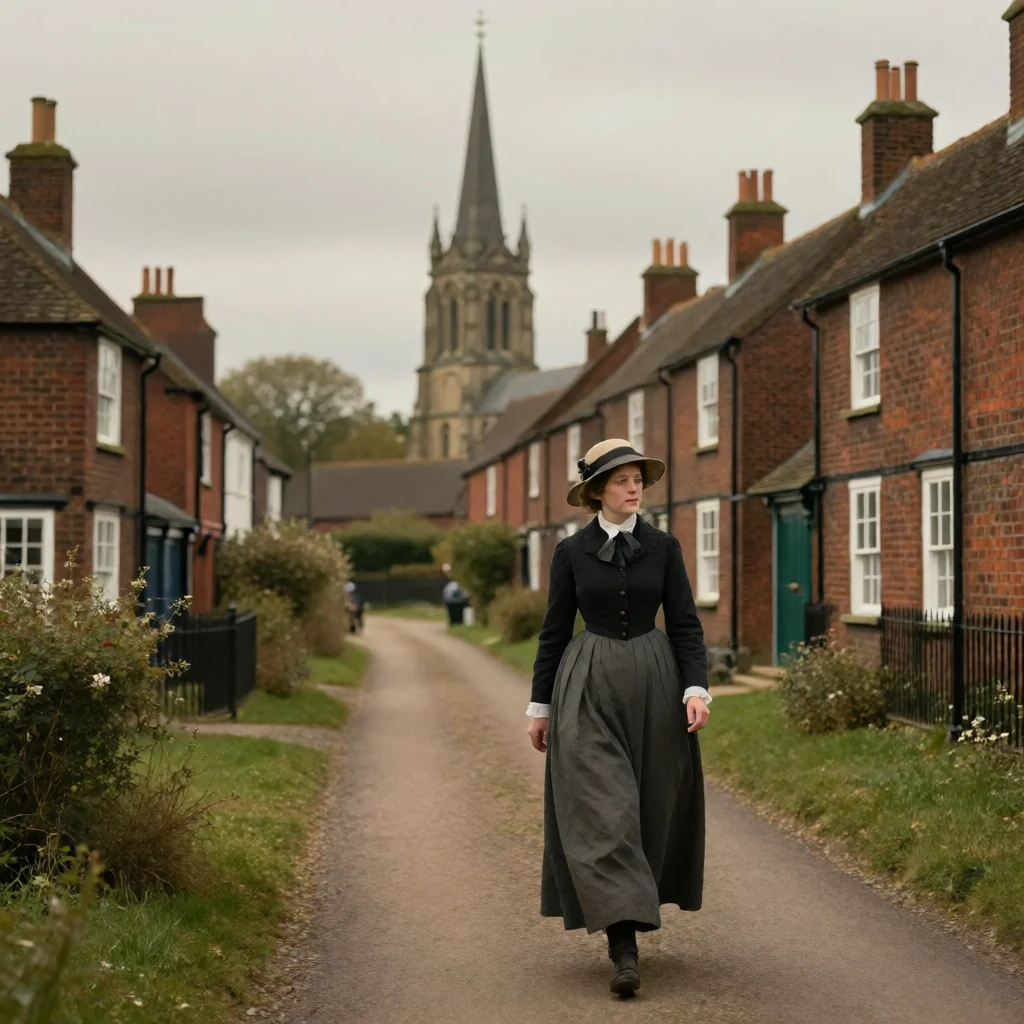
The Mocking Echo
The Mocking Echo
While Mr. Brooke is delivering his speech, the enemy mounts a diabolical counterattack: a buff-colored effigy of himself rises above the crowd, and an invisible Punch-voiced echo begins mimicking his words. The echo has an impish, mocking quality and cleverly selects the words it repeats. When the echo says “The Baltic, now,” the audience erupts in laughter, though the sobering effects of party loyalty prevent a complete rout. Mr. Bulstrode asks what the police are doing, but the disembodied voice cannot easily be silenced, and attacking the effigy itself would be too ambiguous. Mr. Brooke himself is too absorbed in retrieving his lost exordium to immediately register the echo or the image, though he eventually hears the laughter and feels his thoughts slipping away.
Bespattered with Eggs
Bespattered with Eggs
As Mr. Brooke attempts to pivot to discussing the Bill and the precedent of Chatham, a rough voice from the crowd shouts “Blast your ideas! we want the Bill,” which the invisible Punch immediately echoes. This time Mr. Brooke notices the mockery, though he briefly thinks it ridicules his interrupter. When the echo then turns to mock his promises of the Bill with satirical specifics about electioneering costs, Mr. Brooke turns red and drops his eye-glass. A hail of eggs is unleashed, mostly aimed at the effigy but occasionally hitting the original. Whistles, yells, bellowings, and fifes join the uproar, and Mr. Brooke, disagreeably anointed, finally stands his ground no longer—finding the boyish, gamesome mockery more exasperating than a serious assault would have been.
Brooke’s Retreat
Brooke’s Retreat
Mr. Brooke re-enters the committee room, attempting to maintain a carefree demeanor despite his humiliating experience. He claims he would have secured the ear of the people and gone into the Bill “by-and-by” if only they had given him time, glancing at Ladislaw as he speaks. However, the committee is not convinced things will come right, and the political personage from Brassing is already busily writing, apparently brewing new schemes. Mr. Standish evasively suggests that the ventriloquist Bowyer was responsible for the mockery, praising the fellow’s talent while implicitly blaming Brooke for failing to cultivate such resources. Poor Mr. Brooke laments that he has gone through a great deal of inviting for the good of his country without recognition.
Ladislaw’s Dilemma
Ladislaw’s Dilemma
Will Ladislaw is thoroughly out of temper with both himself and his “principal,” retreating to his rooms with a half-formed resolve to abandon both the Pioneer and Mr. Brooke. He reasons that if the impassable gulf between himself and Dorothea is ever to be bridged, it must come through his leaving and attaining distinction, not through staying and slipping into deserved contempt as Brooke’s understrapper. He dreams of a future in five years—political writing and speaking would gain higher value as public life widens, and he could win the eminence needed so that asking Dorothea to marry him would not be a step down. He resolves to leave Middlemarch, go to town, and “eat his dinners” to make himself fit for celebrity. However, he decides not to act immediately, insisting he must wait for some sign from Dorothea before he can go.
Brooke Withdraws
Brooke Withdraws
Will soon suspects that Mr. Brooke has anticipated his wish to part ways. Various deputations and internal voices have prompted the philanthropist to take a “strong measure” for the good of mankind: withdrawing from the candidacy in favor of another candidate to whom he will leave his canvassing machinery. Brooke explains to Ladislaw that his chest has been troubling him, and he cannot afford to overtax his health—citing poor Casaubon as a warning. He mentions having made heavy advances but having “dug a channel,” and suggests that Ladislaw, being a more refined man, might find the coarse work of electioneering tiresome. He hints that a more ordinary man might carry on the Pioneer in Ladislaw’s place, as he has been consulting with men on their side who wish to take the paper into their own hands.
The original text of this work is in the public domain. This page focuses on a guided summary article, reading notes, selected quotes, and visual learning materials for educational purposes.