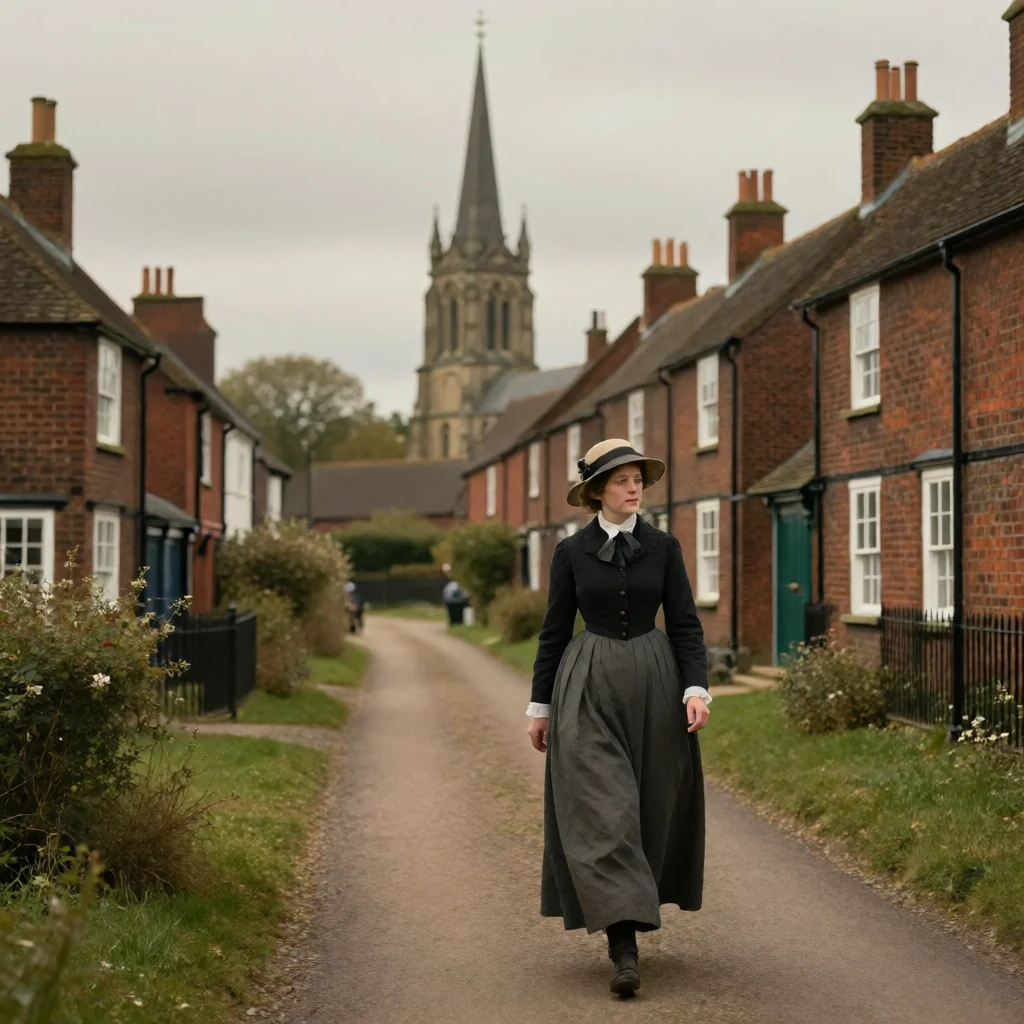
Morning Tea Meeting in the Wainscoted Parlor
Bulstrode and Raffles meet for early tea and toast in the wainscoted parlor of Stone Court; Raffles’ morning manner is even more disagreeable than his evening demeanor, as he takes clear delight in tormenting his companion.
Raffles Teases Bulstrode Over Shared Past
Raffles immediately teases Bulstrode by using the familiar nickname “Nick”, referencing Bulstrode’s past marriage to a wealthy older widow, and jokingly claims Bulstrode bears a family resemblance to “old Nick”, drawing clear discomfort from Bulstrode.
Bulstrode Questions Raffles’ Return from America
Bulstrode presses Raffles on his return from America, noting he had previously provided Raffles with funds to settle there permanently, which Raffles dismisses by stating he never agreed to stay for life, only remained for 10 years and has no intention of returning.
Raffles Recounts His New York Years and Marriage
Raffles recounts his decade in New York, where he married a woman in the tobacco trade but clashed with her son from a prior relationship; he explains he has given up working and now seeks a stable independent income to support his desired lifestyle of leisure and travel in the tobacco industry.
Raffles Taunts Bulstrode Over Wealth and Piety
Raffles openly mocks Bulstrode’s rise to wealth and status as a country landowner, taunting him about his continued ties to Dissenting religious circles and hinting he knows damaging secrets about Bulstrode’s past, including the fate of the elderly widow Bulstrode once married and her daughter and grandchild, leaving Bulstrode shaken and conflicted about how to respond.
Bulstrode Offers Annuity for Raffles’ Relocation
Bulstrode, desperate to silence Raffles and avoid scandal, offers to provide him with a regular quarterly annuity on the strict condition that he permanently leaves the Middlemarch area and never returns to the neighborhood.
Raffles Rejects Annuity, Demands Cash Lump Sum
Raffles rejects the annuity outright, stating he values his freedom too greatly to be bound by regular payments, and demands a lump sum of 200 pounds upfront as compensation for leaving immediately, threatening to remain in Middlemarch and socialize locally if Bulstrode refuses his terms.
Raffles Recalls Stepdaughter’s Husband’s Name as Ladislaw
Raffles suddenly recalls that Bulstrode’s stepdaughter’s husband’s surname is Ladislaw, though he initially struggles to retrieve the full name before it comes to him unbidden later; he writes the name down in his pocketbook to use as potential leverage in the future, choosing not to share it with Bulstrode.
Raffles Departs Middlemarch After Extorting Payment
Bulstrode agrees to provide 100 pounds immediately and the remaining 100 later, then leaves to fetch the funds; Raffles spends the intervening time gathering information about Bulstrode’s standing in Middlemarch, then retrieves his portmanteau and departs Middlemarch by coach by 3pm, leaving Bulstrode temporarily relieved but consumed by dread that Raffles will return and expose his secrets.
LIVRE VI.
This chapter opens Book VI of the novel. The book continues the narrative established in previous volumes, introducing new developments in the story’s progression. Book VI marks a significant section of the overall work, typically containing multiple chapters that advance the plot and character development through a particular phase of the narrative.
The Widow and the Wife
This section centers on two female characters whose situations and perspectives define the chapter’s focus. The title suggests an exploration of contrasting feminine experiences—one woman having lost her husband, another currently married. The chapter likely examines themes of marriage, loss, social standing, and the different paths available to women in the society depicted by the author. The relationship and interactions between these two figures probably drive the chapter’s central conflicts and revelations.
CHAPITRE LIV.
The chapter opens with an excerpt from Dante Alighieri’s La Vita Nuova, a lyrical ode to a beloved woman whose presence inspires gentleness and admiration in all who encounter her, before introducing Dorothea Casaubon’s return to Lowick Manor after three months at Freshitt, a decision made against the wishes of her family and social circle, driven by a deep, unspoken desire to reconnect with Will Ladislaw.
The original text of this work is in the public domain. This page focuses on a guided summary article, reading notes, selected quotes, and visual learning materials for educational purposes.