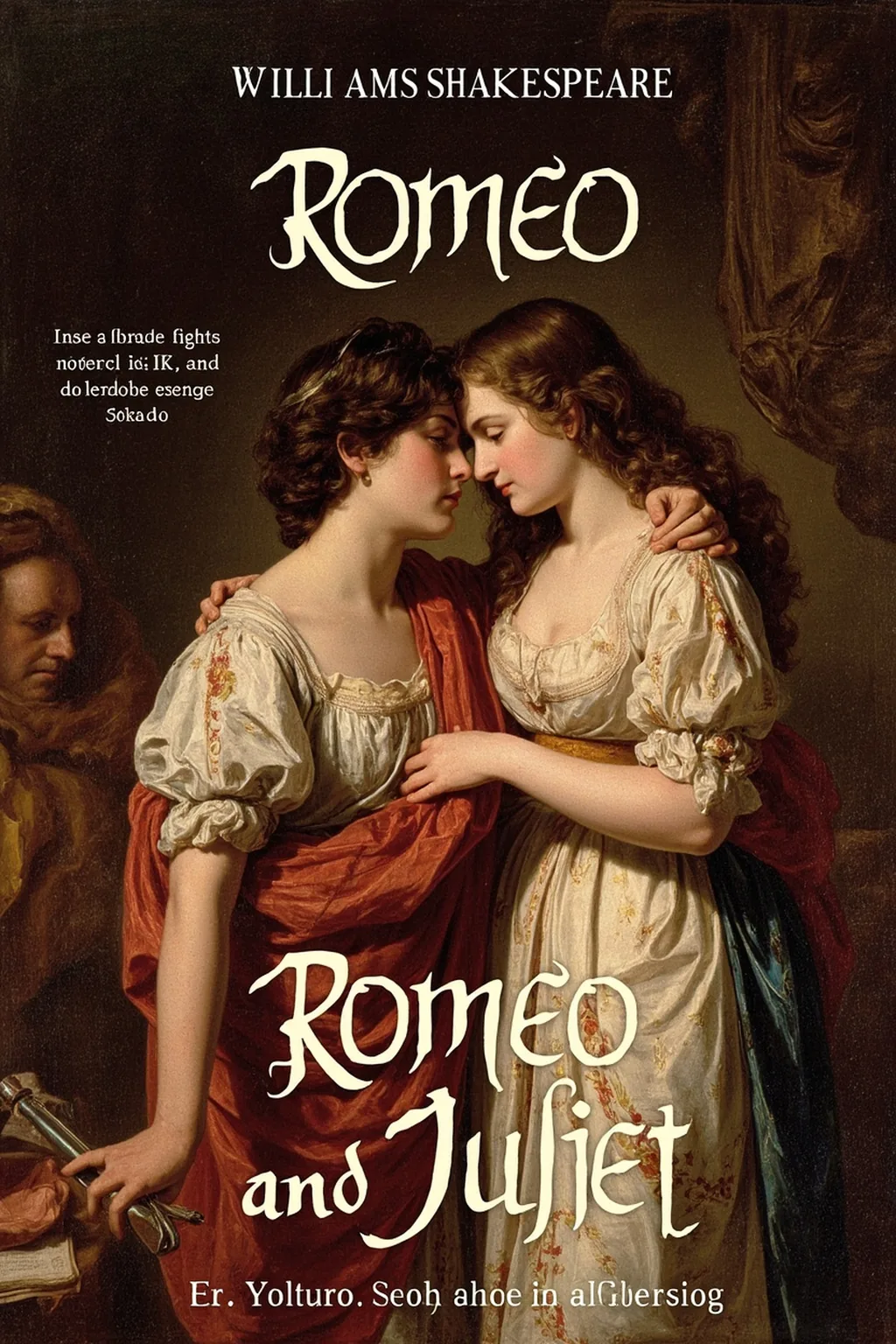
《罗密欧与朱丽叶》的悲剧由一种无情的急速推进所驱动。这部剧并非以爱情开场,而是以一场街头斗殴开始,确立了维罗纳城中生死攸关的赌注。埃斯卡勒斯亲王以一道可怕的最后通牒打断了这场混战,这道通牒悬在随后的每一次互动之上。
Rebellious subjects, enemies to peace, Profaners of this neighbour-stained steel,— Will they not hear? What, ho! You men, you beasts, That quench the fire of your pernicious rage With purple fountains issuing from your veins, On pain of torture, from those bloody hands Throw your mistemper’d weapons to the ground And hear the sentence of your moved prince. … If ever you disturb our streets again, Your lives shall pay the forfeit of the peace.
Many a morning hath he there been seen, With tears augmenting the fresh morning’s dew, Adding to clouds more clouds with his deep sighs; But all so soon as the all-cheering sun Should in the farthest east begin to draw The shady curtains from Aurora’s bed, Away from light steals home my heavy son, And private in his chamber pens himself, Shuts up his windows, locks fair daylight out And makes himself an artificial night.
展开解读
蒙太古大人对儿子的描述凸显了罗密欧封闭自我、沉溺于自造黑暗中的倾向。这种情感上的不稳定性预示了他日后将采取的极端行动。当我们第一次听到罗密欧说话时,他对罗莎琳的爱通过一连串的矛盾修辞表达出来,暗示他对爱的理解已经与痛苦和困惑密不可分。
O brawling love! O loving hate! O anything, of nothing first create! O heavy lightness! serious vanity! Misshapen chaos of well-seeming forms! Feather of lead, bright smoke, cold fire, sick health! Still-waking sleep, that is not what it is! This love feel I, that feel no love in this.
展开解读
当罗密欧在凯普莱特家的舞会上看到朱丽叶时,这种困惑瞬间消散。这种转变是即时且不可逆转的,标志着这部剧从潜在的喜剧转向悲剧的时刻。
O, she doth teach the torches to burn bright! It seems she hangs upon the cheek of night As a rich jewel in an Ethiop’s ear; Beauty too rich for use, for earth too dear! … Did my heart love till now? Forswear it, sight! For I ne’er saw true beauty till this night.
展开解读
罗密欧此处的夸张不仅仅是诗意的,更是危险的。通过将朱丽叶提升到尘世之上,他隐含地将她——以及他们的爱情——置于社会现实和理性的边界之外。这种强烈程度与提伯尔特的仇恨相匹敌,后者认出了罗密欧并发誓要毁灭他。
This by his voice, should be a Montague. Fetch me my rapier, boy. What, dares the slave Come hither, cover’d with an antic face, To fleer and scorn at our solemnity? Now by the stock and honour of my kin, To strike him dead I hold it not a sin.
展开解读
罗密欧的狂喜与提伯尔特的愤怒并置,创造了推动情节发展的动荡张力。当这对恋人发现彼此的身份时,这种认识是毁灭性的。
My only love sprung from my only hate! Too early seen unknown, and known too late! Prodigious birth of love it is to me, That I must love a loathed enemy.
展开解读
朱丽叶的哀叹捕捉到了这部剧的核心悖论:他们爱情的强烈程度直接源于家族仇恨的深度。在随后的阳台场景中,她试图通过剥离他们名字的社会符号来使这一切合理化。
What’s in a name? That which we call a rose By any other name would smell as sweet; So Romeo would, were he not Romeo call’d, Retain that dear perfection which he owes Without that title.
展开解读
这是一个美丽的哲学论证,但在维罗纳的暴力世界中,名字不仅仅是标签,它们是要求鲜血的部落归属。这对恋人迅速从哲学转向行动,决定第二天就结婚。劳伦斯神父同意主持婚礼,希望这桩婚姻能结束世仇,但他认识到了他们仓促行事的风险。
These violent delights have violent ends, And in their triumph die; like fire and powder, Which as they kiss consume. The sweetest honey Is loathsome in his own deliciousness, And in the taste confounds the appetite. Therefore love moderately: long love doth so; Too swift arrives as tardy as too slow.
展开解读
神父的警告是这部剧的主题论点。他将他们的激情比作火药,预言他们爆炸性的欢乐将不可避免地吞噬他们。这个预言几乎立即应验。婚礼刚结束,提伯尔特就在街上与罗密欧对峙。罗密欧如今通过婚姻与提伯尔特有了秘密的亲戚关系,试图安抚他,但他拒绝战斗的行为被茂丘西奥解读为懦弱。
Tybalt, the reason that I have to love thee Doth much excuse the appertaining rage To such a greeting. Villain am I none; Therefore farewell; I see thou know’st me not.
展开解读
罗密欧的和平努力彻底失败。当茂丘西奥被杀时,他临死的诅咒将这部剧的基调从浪漫转向虚无主义的愤怒。
A plague o’ both your houses. I am sped. Is he gone, and hath nothing?
展开解读
茂丘西奥的愤懑凸显了这场世仇的毫无意义。在随后的余波中,罗密欧杀死了提伯尔特并被流放。分离将两位恋人推向疯狂的边缘。当他们在黎明分别时,即将流亡的痛苦是显而易见的。
Parting is such sweet sorrow That I shall say good night till it be morrow.
展开解读
朱丽叶面临失去丈夫的痛苦和被迫嫁给帕里斯的威胁,向神父寻求孤注一掷的补救。他们策划的计划——用强力药水假死——证明了在这个世界中生存所需的极端手段。
O, bid me leap, rather than marry Paris, From off the battlements of yonder tower, Or walk in thievish ways, or bid me lurk Where serpents are. Chain me with roaring bears; Or hide me nightly in a charnel-house, O’er-cover’d quite with dead men’s rattling bones, With reeky shanks and yellow chapless skulls.
展开解读
朱丽叶宁愿与腐烂的尸体为伍也不愿嫁给帕里斯,这凸显了她决心的可怕力量。然而,即使她决心执行计划,心理上的代价也是巨大的。在喝下药水之前,她独自在房间里,被坟墓的幻象所困扰。
O, if I wake, shall I not be distraught, Environed with all these hideous fears, And madly play with my forefathers’ joints? And pluck the mangled Tybalt from his shroud? And, in this rage, with some great kinsman’s bone, As with a club, dash out my desperate brains? O look, methinks I see my cousin’s ghost Seeking out Romeo that did spit his body Upon a rapier’s point. Stay, Tybalt, stay! Romeo, Romeo, Romeo, here’s drink! I drink to thee.
展开解读
提伯尔特的鬼魂寻找罗密欧的幻象是一个预言性的噩梦。它预示了最后一幕,人物在凯普莱特家族墓穴中的悲剧性汇聚将故事推向血腥的结局。当罗密欧听到朱丽叶死亡的假消息时,他抛弃了之前的忧郁,转向积极的反抗。
Is it even so? Then I defy you, stars! Thou know’st my lodging. Get me ink and paper, And hire post-horses. I will hence tonight.
展开解读
罗密欧的宣言标志着他与命运抗争的高潮。他不再是被动的受害者,而是选择掌控自己的结局,奋不顾身地冲向墓穴。到达后,他闯入墓穴并杀死了帕里斯,然后准备与朱丽叶共赴黄泉。
Eyes, look your last. Arms, take your last embrace!
展开解读
亲王的法令创造了一个高压环境,一次判断失误便可能导致处决。正是在这种“紫色喷泉“和死亡威胁的背景下,罗密欧的初始形象被引入。在遇见朱丽叶之前,他被一种人为的忧郁所定义,这种忧郁使他与世界隔绝。