第六十章
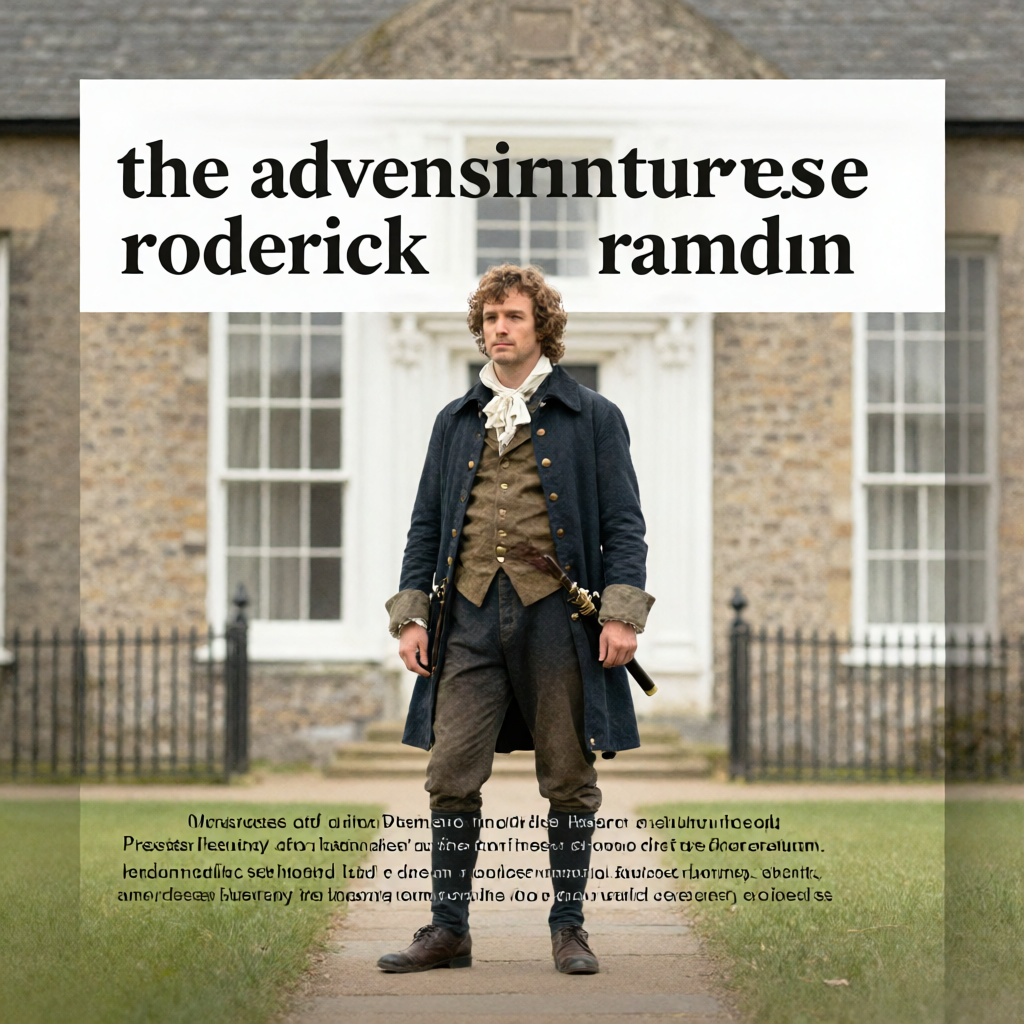
Following the aftermath of his duel, the narrator is visited by Freeman and receives social acceptance at the coffee-house, though he is summoned by Lord Quiverwit, who reveals that he has informed Narcissa’s brother of the narrator’s romantic progress, warning that Narcissa has no fortune and that the narrator lacks the means to support her. The narrator learns that Narcissa has been hastily carried off by her brother in a coach-and-six, and though he initially intends to pursue them with pistols drawn, his friend Freeman dissuades him by appealing to his reason and reminding him of Narcissa’s maid, who might find opportunity to send word of their situation. Deeply despondent over his lost love, the narrator gambles recklessly at the gaming table, winning briefly before losing everything down to five guineas, then travels to London in despair, where he is consoled by a letter from Narcissa confirming her constancy despite being strictly watched and confined. Unable to find legitimate fortune, he follows Banter’s advice to bilk his tailor by ordering expensive clothes and selling them at half-price to a salesman, raising twenty-five guineas while his loyal servant Strap expresses heartfelt concern over his主人的 spiriting desperation.
Freeman’s Visit and Public Acclaim
The news of the duel spreads throughout Bath, and Freeman visits Roderick with astonishment, having heard reports that Roderick had fled after wounding Lord Quiverwit fatally. Roderick corrects the misconception and thanks his friend for the good offices he has performed among his acquaintances. Freeman’s support proves advantageous, as Roderick is warmly received at the coffee-house by persons who had previously avoided him. The company amuses itself with the scandal of Melinda’s French admirer, and Roderick’s reputation appears enhanced by the duel.
The original text of this work is in the public domain. This page focuses on a guided summary article, reading notes, selected quotes, and visual learning materials for educational purposes.