Part 3
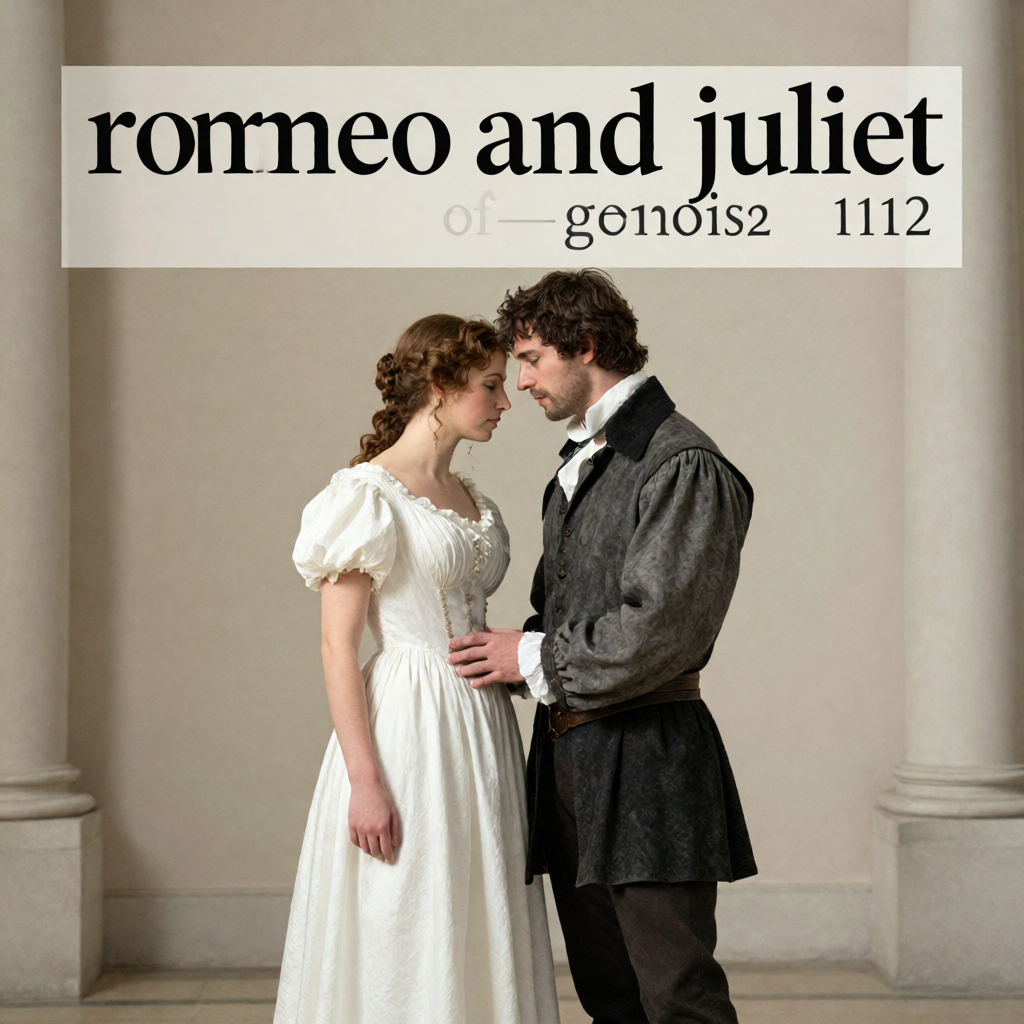
Capulet’s restraint holds. Romeo approaches Juliet and takes her hand. The exchange is poised and sacred in feeling: “If I profane with my unworthiest hand this holy shrine, the gentle sin is this — my lips, two blushing pilgrims, ready stand to smooth that rough touch with a tender kiss.” Juliet, equally grave, replies that saints have hands pilgrims may touch, and “palm to palm is holy palmers’ kiss.” Romeo presses for a kiss; Juliet warns him off by the book. The Nurse interrupts, summoning Juliet to her mother. Romeo asks who her mother is, and learns she is a Capulet — “O dear account! my life is my foe’s debt.”
Benvolio hustles the maskers out. Romeo lingers only long enough to catch Juliet’s eyes again. Once outside, he tells his friends he will not go home. Benvolio and Mercutio banter as they hunt for him under the orchard trees, Mercutio conjuring Romeo by Rosaline’s eyes, by her high forehead and scarlet lip. Romeo, hidden, mocks them silently. Then a light breaks in a window above.
It is the East, and Juliet is the sun. Romeo watches her lean her cheek upon her hand and wishes he were the glove upon that hand. She speaks without knowing he is there: “O Romeo, Romeo! wherefore art thou Romeo? Deny thy father and refuse thy name; or, if thou wilt not, be but sworn my love, and I’ll no longer be a Capulet.” Romeo can hold his peace no longer. He answers; she cries out in alarm — the orchard walls are high, and any kinsman finding him would murder him. Romeo replies that love’s light wings have carried him over stone; “what love can do, that dares love attempt.” She is moved, then cautious: do not swear by the moon, the inconstant moon. He asks by what he shall swear; she bids him not swear at all, or swear by his gracious self. Romeo swears, and she accepts him, confessing she spoke too rashly and would gladly take back what she gave. But the contract of love is sealed.
The Nurse calls from within. Juliet must go. She asks Romeo, if his love be honorable and his purpose marriage, to send word tomorrow by a messenger of her time and place, and she will lay all her fortunes at his feet. He rejoices. She lingers once at the window — “Hist, Romeo, hist!” — and they exchange a thousand soft goodnights, neither willing to end the talk. At last, near dawn, with the “gray-eyed morn” smiling on the night, Romeo departs for the cell of Friar Laurence, to confess his new love and seek the friar’s help.
The play’s Chorus rises to mark the turn: old desire lies on his deathbed, and young affection, born of Juliet, is heir to Romeo’s heart. “But passion lends them power, time, means to meet, tempering extremities with extreme sweet.” The lovers have met, against all odds, and the wheel of their fate is already in motion.
Part 7
In the chamber of the Capulet house, Lady Capulet enters with what she calls joyful tidings, but Juliet greets them with dread. Her mother announces that Count Paris will marry her at Saint Peter’s Church on Thursday next. Juliet, still secretly married to Romeo, refuses outright, declaring she would rather marry Romeo, whom she claims to hate, than Paris. When Capulet himself arrives and hears her rebellion, his fury is volcanic. He calls her a “green sickness carrion,” a “tallow-face,” a “disobedient wretch,” and threatens to drag her to church on a hurdle. When she falls to her knees, he spurns her, cursing the day she was born and warning that if she will not wed, she may starve in the streets. Lady Capulet refuses to intervene, telling Juliet she is done with her.
Desperate, Juliet turns to her Nurse, the woman she has trusted since infancy, and begs for comfort. But the Nurse, thinking only of practicality, urges her to forget Romeo, who is banished and can never return, and marry Paris, who is “a lovely gentleman.” She even says Romeo is “a dish-clout” beside the Count. The betrayal strikes Juliet like a blade. She sends the Nurse away, calling her “ancient damnation,” and resolves to seek help from Friar Laurence.
At the friar’s cell, Paris is already present, pressing for his Thursday wedding. When Juliet arrives, Paris greets her as his wife. She parries his courtship with bitter wordplay until he leaves. Alone with the friar, Juliet produces a knife and threatens to kill herself unless he can prevent the marriage. Friar Laurence, seeing her courage, devises a desperate plan: she shall go home, agree to marry Paris, drink a sleeping potion on Wednesday night that will make her appear dead for forty-two hours, and be laid in the Capulet tomb. He will send word to Romeo in Mantua, who will return in time to take her away when she wakes. Juliet seizes the plan. That evening she returns to her father, kneels, begs his pardon, and pretends submission. Capulet, delighted, moves the wedding to Wednesday morning.
The original text of this work is in the public domain. This page offers a compressed quick-read summary for educational purposes.