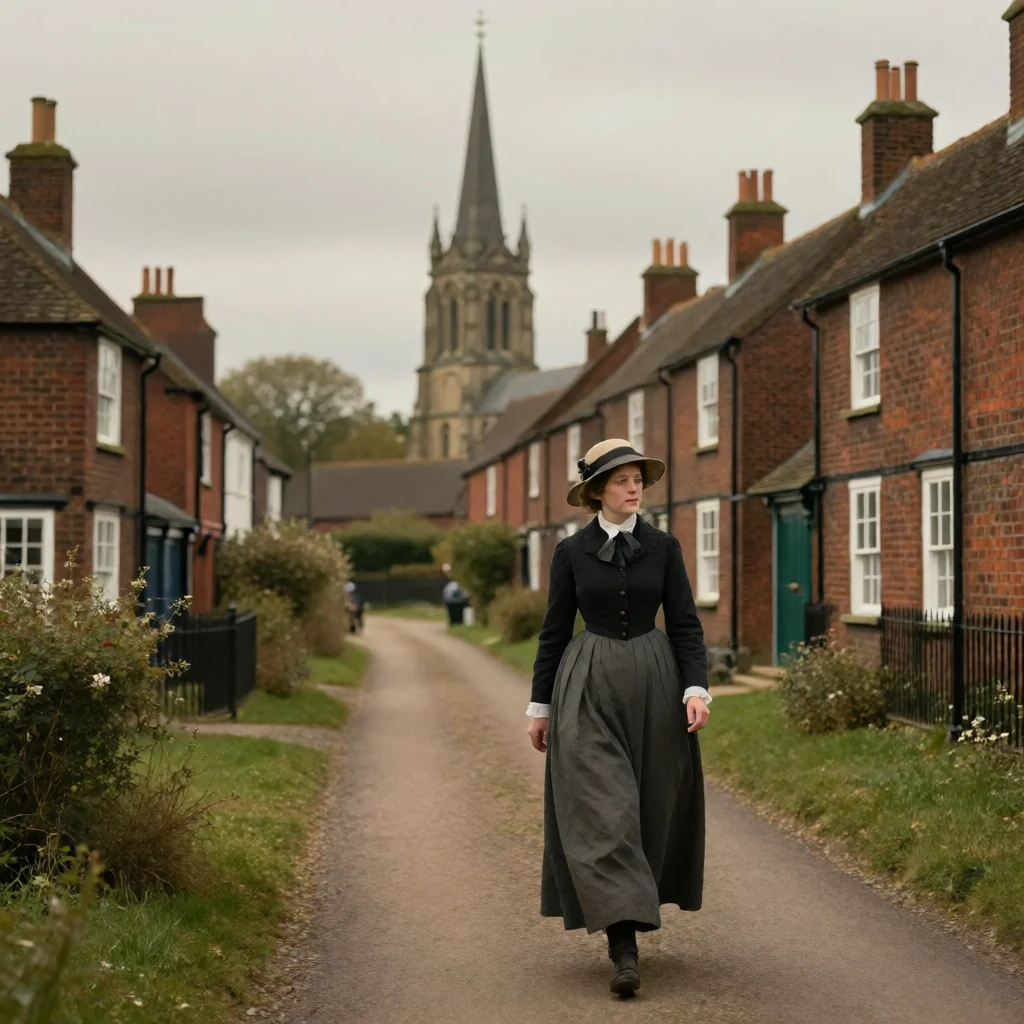
Casaubon’s Avoidance of Pity and Health Anxiety
Casaubon has never questioned Lydgate about his illness nor shown anxiety to Dorothea, shrinking from pity as deeply as from any other exposure of himself. To him, even the suspicion of being pitied is embittering, and frankly admitting alarm or sorrow is intolerable—a pride the narrator suggests only deep fellowship could dissolve.
Casaubon’s Unfulfilled Intellectual Ambition
Casaubon’s brooding now exceeds even the autumnal unripeness of his authorship. His hard intellectual labors have produced, instead of a finished “Key to all Mythologies,” chiefly a morbid consciousness of being unacknowledged: suspicious conjecture that others do not rate him highly, melancholy absence of passion in his efforts, and a passionate resistance to admitting he has achieved nothing.
Casaubon’s Resentment of Dorothea and Will Ladislaw
Casaubon feels helpless against certain realities—Will Ladislaw’s defiant presence near Lowick, Dorothea’s ardent and ever-shifting nature, and the new notions she has absorbed. Though she nurses and reads to him devotedly, he has become certain she judges him and that her wifely care is a penitent atonement for unbelieving thoughts. The tenderness cannot erase his impression that she has passed from worship to criticism.
Narrator’s Reflection on Ordinary Self-Centered Suffering
The narrator intervenes to declare Casaubon’s suffering quite ordinary, asking what more readily blots out the world’s glory than a tiny speck close to one’s vision—self. Even granting Casaubon’s grievances, there is the unconfessed added reason that he is not unmixedly adorable, and he half-suspects this without admitting it.
Casaubon’s Vindictive Fantasies After His Death
Even as Casaubon revives and imagines perhaps twenty more years of work to vindicate his preparation against the sneers of Carp & Company, his mind turns darkly to what might happen after his death. If a fatal disease is at work, he sees opportunity for others—especially Will Ladislaw—to be happier without him; he bitterly objects as though such annoyance would follow him into his disembodied existence, and even eternal bliss cannot sweeten the prospect.
Casaubon’s Self-Justification for His Distrust
Seeking higher ground than jealousy and vindictiveness, Casaubon frames the case to himself as one of duty: Dorothea is impressionable prey to any man who plays on her ardor, and Ladislaw—unprincipled, ungrateful, and animus-driven—is waiting to captivate her and step into his place. He tells himself he must obstruct such a marriage for her own good, distrusting Ladislaw’s morals and his showy, facile tendencies. Long contemplation of his own probable death forces him at last to overcome his reticence and seek Lydgate’s opinion.
Lydgate’s Consultation in the Yew-Tree Walk
Casaubon tells Dorothea only that he wants Lydgate’s opinion on certain habitual symptoms and arranges to meet the doctor alone in the Yew-tree Walk. As Lydgate approaches, he observes Casaubon’s bowed shoulders, emaciated limbs, and aged mouth, feeling compassion for what seems a figure of premature decline. Casaubon formally asks whether his symptoms may threaten his work, and Lydgate, reading the request correctly, presses him toward plain speech.
Lydgate’s Diagnosis of Fatty Heart Degeneration
Lydgate delivers his diagnosis: fatty degeneration of the heart, a condition only recently identified by Laennec and still inadequately understood. He warns that death from it is often sudden, yet no firm prediction is possible; Casaubon might live tolerably for fifteen years or more. Asked whether he had shared this with Dorothea, Lydgate admits he had partly done so, but Casaubon silently closes the conversation and returns to remarking on the weather.
Casaubon’s Confrontation with Mortality
Left alone beneath the dark yew-trees, Casaubon for the first time truly looks into the eyes of death. The narrator muses on how the commonplace “We must all die” transforms, in such a moment, into the searing consciousness “I must die—and soon,” and on how the mind does not then change its lifelong bias but carries it across the river. Casaubon, who counts himself a believing Christian with scholarly reservations, finds that his immediate desires cling low and mist-like in shady places rather than reaching for divine light.
The original text of this work is in the public domain. This page focuses on a guided summary article, reading notes, selected quotes, and visual learning materials for educational purposes.