The Second Critical Instant
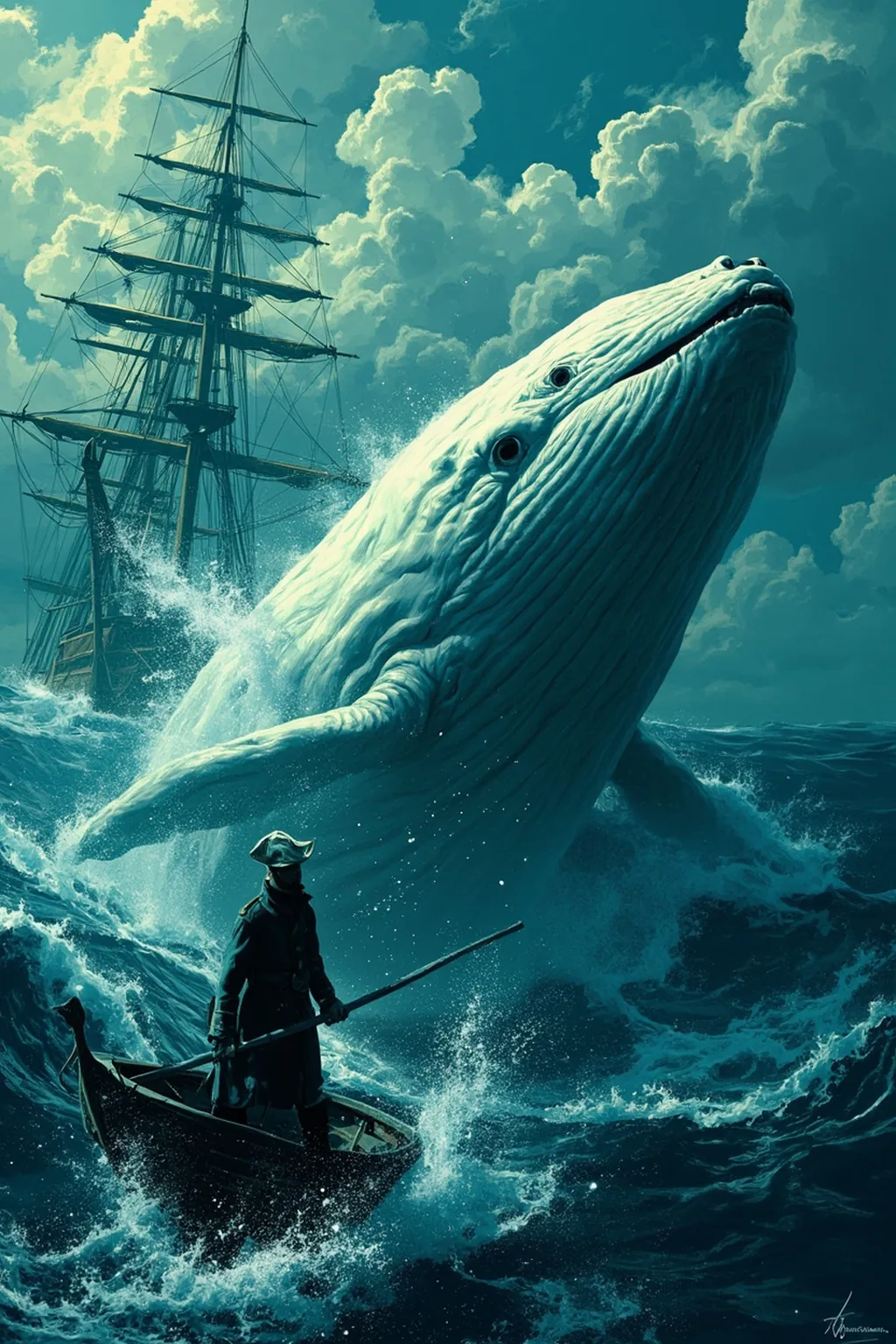
If the dart proves successful, a second critical moment occurs when the whale starts to run. At this point, both the boatheader and harpooneer begin running fore and aft along the boat, placing themselves and everyone else in imminent danger. It is during this chaos that they change places, with the headsman—the chief officer of the small craft—taking his proper station in the bows of the boat.
The Headsman’s Proper Station
The headsman should occupy the proper station in the bows of the boat from the very beginning to the end of the operation, handling both the harpoon and the lance. Under ordinary circumstances obvious to any fisherman, no rowing should be expected of him.
Proposed Reform in Whaling
This author maintains that current whaling practices are both foolish and unnecessary. The headsman should remain in the bows throughout the entire hunt, darting both the harpoon and the lance, with no rowing duties expected of him except under circumstances immediately apparent to experienced fishermen.
Efficiency in the Dart
To ensure the greatest efficiency in the dart, the harpooneers of this world must rise to their feet from a state of rest and readiness, not from a state of exhaustion and toil.
The Foolish Practice
The existing practice of exhausting the harpooneer before the critical darting moment is counterproductive and dangerous. While this might sometimes involve a slight loss of speed during the chase, long experience across various whalemen of multiple nations has убедил the author that most failures in the fishery result not from the whale’s speed, but from the exhaustion of the harpooneer described above.
The original text of this work is in the public domain. This page focuses on a guided summary article, reading notes, selected quotes, and visual learning materials for educational purposes.