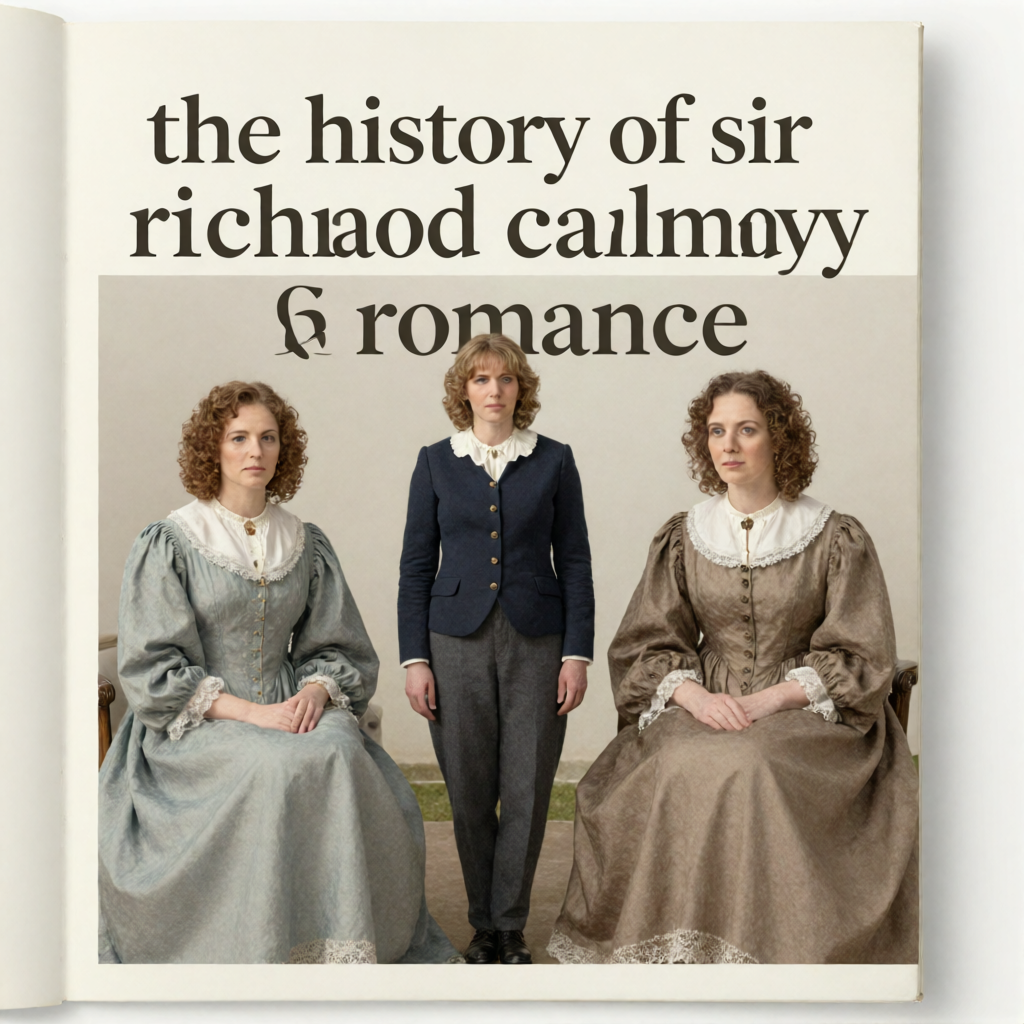
Chapter X shifts to a railway train carrying Lady Louisa Barking and her brother Ludovic Quayle back to London after the Brockhurst luncheon. Lady Louisa, a ruthlessly pragmatic matriarch-in-training, is fixated on securing advantageous marriages for her younger sisters, and has set her sights on the wealthy, physically disabled Richard Calmady as a match for her simple, docile younger sister Constance. She peppers Ludovic with questions about Richard’s character, income, and prospects, trying to gauge if the match is feasible. Ludovic, amused and skeptical, shares circulating gossip about Helen: that her marriage was forced by her mercenary mother, that she and Angelo are deeply unhappy, that he has threatened divorce, and that she is flirtatious and financially reckless. Lady Louisa dismisses the gossip, arguing Constance’s lack of sharpness means she will never notice or object to Richard’s disability, and that their father dotes on Constance so deeply he will approve any match that secures her financial stability. Ludovic is privately doubtful, having observed Richard’s full attention was fixed on Helen during the luncheon, and he is certain their father will never agree to the match—a conclusion he feels privately relieved by, as he views the scheme as cruel to both Richard and Constance. The chapter closes as the train enters the grimy, industrial outskirts of London, the squalid urban landscape outside contrasting sharply with the siblings’ cold, dynastic scheming.
第一章 – CHAPTER IV
The opening section tracks the intertwined social and familial maneuvering of the Quayle and Calmady families across early 1860s London and their country estates, anchored by Lady Louisa Barking’s efforts to restore her family’s tarnished reputation and secure an advantageous match for her youngest sister.
The original text of this work is in the public domain. This page focuses on a guided summary article, reading notes, selected quotes, and visual learning materials for educational purposes.