In the autumn of 1862 Richard goes up to Oxford, accompanied by Julius March, Winter, Chaplin, and a contingent of grooms with horse-boxes. The custom saddle, ugly but effective, transforms his life: he rides fearlessly across the stubble fields, hunts with spaniels and ferrets, and rises early to watch the racehorses train. At the university, his wealth and curious figure attract notice, but he is older in thought and younger in bodily experience than his peers. His true friend is Ludovic Quayle, younger son of Lord Fallowfeild, a superfine young man whose devotion to Richard proves lasting. Channeling his competitive spirit into scholarship, Richard wins liberal honours in his final two years. At Brockhurst, meanwhile, Marie de Mirancourt dies peacefully in February of Richard’s second year. Two pieces of news reach Katherine: her niece Helen Ormiston is to marry the Comte de Vallorbes, and her goddaughter Honoria St. Quentin has inherited a fortune from Lady Tobemory. In the spring of 1865 Richard leaves Oxford, and by autumn 1866 he has served six months as a Justice of the Peace for the county of Southampton.
An autumn ride home from Quarter Sessions at Westchurch deepens Richard’s sense of isolation. He is stared at and mocked on the canal bridge by loafers; on the bench he clashes with Lemuel Image, a vulgar brewer of rising fortunes. The day’s principal case—a young servant girl imprisoned for pawning her mistress’s goods to feed her illegitimate child—leaves him sickened. He broods on the cruelty of circumstance and the limits of human justice, recalling the old postboy’s bitter jest that “God Almighty had His jokes too.”
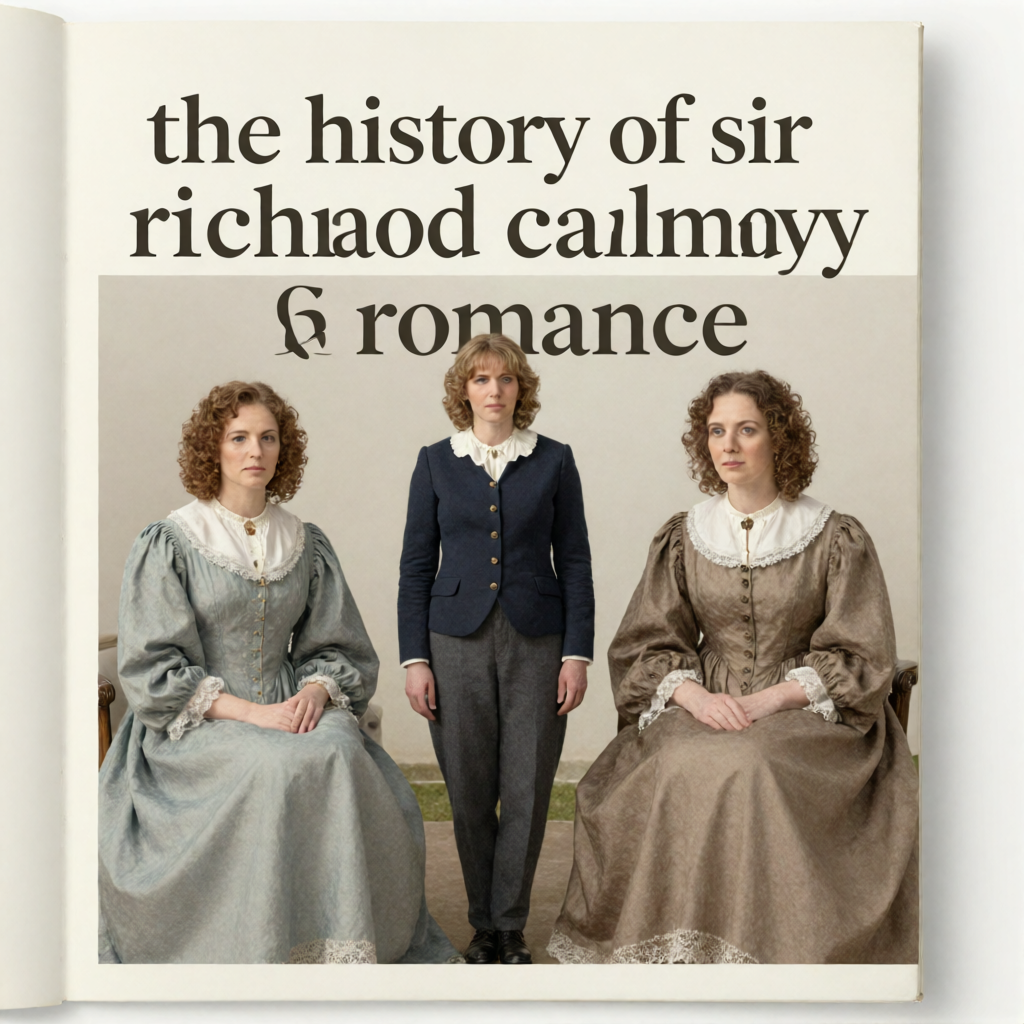
In the golden haze of the Brockhurst woods, Richard chances upon two trespassing women at the Temple: Honoria St. Quentin, in a gray-green boy’s jacket, and his cousin Helen, now Madame de Vallorbes, chic and worldly, cigarette in hand. Honoria recoils instinctively at the sight of Richard’s saddle; Helen, by contrast, advances with delight. She confesses that she has long feared to meet Katherine because of the family legend of her childhood cruelty, and begs Richard to “abolish” the memory. He complies with a cheerful lie, charmed and inwardly astonished. He invites her to Brockhurst, and as the women depart toward the park gate, Richard is left with a renewed sense that his world has grown “sensibly wider”—though whether wider toward consolation or toward fresh exposure remains unsettled.
The original text of this work is in the public domain. This page focuses on a guided summary article, reading notes, selected quotes, and visual learning materials for educational purposes.