第二十七章 – CHAPTER XXIX
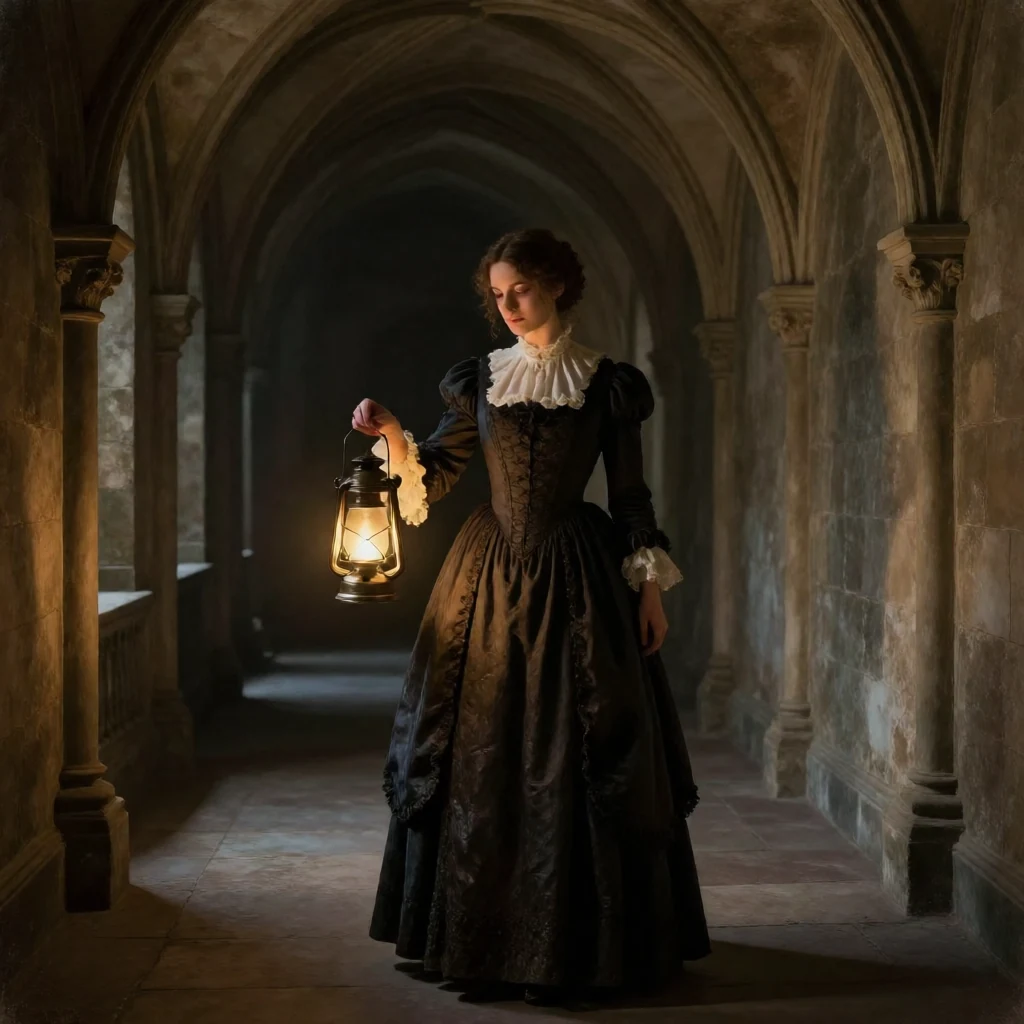
The climactic confrontation opens with Jane standing firm against Rochester’s desperate plea for her to become his mistress, even as her conscience and raw feeling war with her moral resolve. Rochester, enraged and heartbroken by her refusal, confesses the full, shameful truth of his existing marriage to Bertha Mason: a union forged for her mercenary fortune, marred by the discovery of her inherited madness, and years of confinement at Thornfield Hall that left him wandering the continent for a decade, searching for a companion he could love without dishonour. When Jane still refuses to compromise her principles, Rochester begs her to stay as his comforter, but she steels herself to leave, pressing a final blessing to his cheek before slipping away from Thornfield in the pre-dawn dark, leaving behind the pearl necklace he had forced upon her, taking only her meagre savings and a few personal items. A vivid dream of a white, moon-born figure warning her to “flee temptation” cements her resolve, and she boards a coach heading away from Millcote, only to realize too late she has left her parcel of belongings in the seat pocket, arriving at the remote Whitcross crossroads with no money, no possessions, and no ties to the world she has known.
Alone and destitute, Jane wanders into the open moor, taking shelter under a granite crag as night falls. She eats the last of her bread and foraged bilberries, says her evening prayers, and wrestles with grief for Rochester under the star-strewn sky, finding a small measure of comfort in the sense of God’s presence that settles over the quiet heath. By morning, hunger forces her to seek help in a nearby hamlet, where she endures a string of humiliations: a shopkeeper refuses to trade her gloves or handkerchief for bread, no one will offer her work, and the parsonage is empty, its housekeeper turning her away with a penny. A farmer silently gives her a slice of bread, the first kindness she has known in days, and she spends a wretched, rain-soaked night in the woods, surviving on a handful of cold porridge a cottage girl gives her when she begs at her door. As she collapses from exhaustion on the moor, convinced she will die of exposure, she spots a steady light in the distance, and drags her weakened body through a bog toward a low house on a knoll: Moor House, home of the Rivers family. Peering through the window, she sees Diana and Mary Rivers, two grave, cultured young women in deep mourning, studying German with their elderly servant Hannah, who is knitting and recounting the story of their father’s sudden death. When she knocks on the door, Hannah refuses to let her in, suspicious of the gaunt, dishevelled stranger, until their brother St. John Rivers arrives home, overrules Hannah’s objections, and brings Jane inside to tend to her obvious distress.
The original text of this work is in the public domain. This page focuses on a guided summary article, reading notes, selected quotes, and visual learning materials for educational purposes.