当前语言版本的摘要正文暂未提供,现显示英文版本。
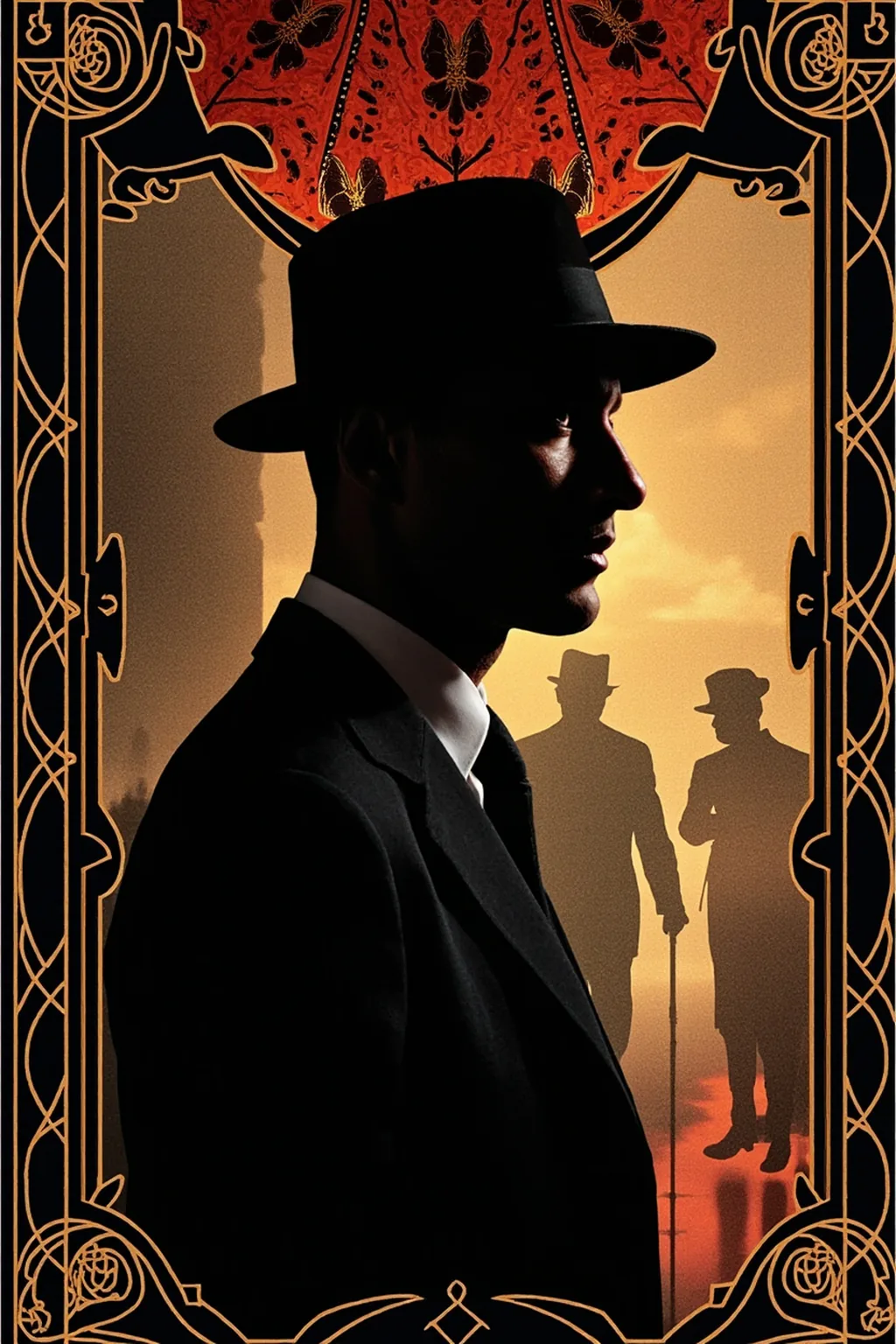
Back at the Wilson garage after Myrtle’s death, the crowd outside had thinned by dawn, leaving only Michaelis and a handful of men with George Wilson, who rocked back and forth on the couch, unmoored with grief. Around three in the morning, Wilson grew quiet, started muttering about the yellow car that had killed his wife, said he had a way of finding out who owned it. He blurted out that Myrtle had come home two months prior with a bruised face and swollen nose—proof of the domestic abuse he’d long ignored—then broke down crying, yelling “Oh, my God!” over and over. Michaelis found a new braided silver dog leash in Wilson’s desk, which Wilson said he’d found wrapped in tissue paper on Myrtle’s bureau, certain it was proof of her affair. Wilson stared out the window at the looming Doctor T. J. Eckleburg billboard, murmuring that God saw everything, that he’d told Myrtle she couldn’t fool God, no matter how hard she tried. When Michaelis left at dawn to sleep, Wilson was gone.
His movements were traced after that: he walked to Port Roosevelt, then to Gad’s Hill, bought a coffee and a sandwich he didn’t eat, spent three hours unaccounted for—likely asking garages about the yellow car, though no garage owner ever came forward to confirm it—before he turned up in West Egg at 2:30 that afternoon, asking for Gatsby’s house. By then, he knew exactly who he was looking for.
At two that afternoon, Gatsby had put on his bathing suit, told the butler to bring any phone messages to him at the pool. He’d stopped at the garage to pick up the pneumatic mattress that had made his summer parties fun, and told his driver not to take the open car—the one with the broken front fender, the one that had struck Myrtle—out under any circumstances. He carried the mattress to the pool alone, the sun warm on his back, waiting for a call that would never come. The butler waited until four o’clock, then gave up. Gatsby had known, I think, that no call was coming. He’d let go of the dream that had driven him for years, the green light at the end of Daisy’s dock that had always receded just out of reach.
The shots came not long after. When I arrived, driven by a dread I couldn’t name, we found Gatsby’s body floating in the pool, the pneumatic mattress bobbing nearby with a thin red circle staining the water. A short distance away, in the grass, lay George Wilson, the revolver still loose in his hand. The two men who had orbited Daisy Buchanan’s carelessness were both dead, their lives smashed apart by the same rich, indifferent woman who’d never even bothered to send a message to the man who’d loved her more than anything in the world.
The original text of this work is in the public domain. This page focuses on a guided summary article, reading notes, selected quotes, and visual learning materials for educational purposes.