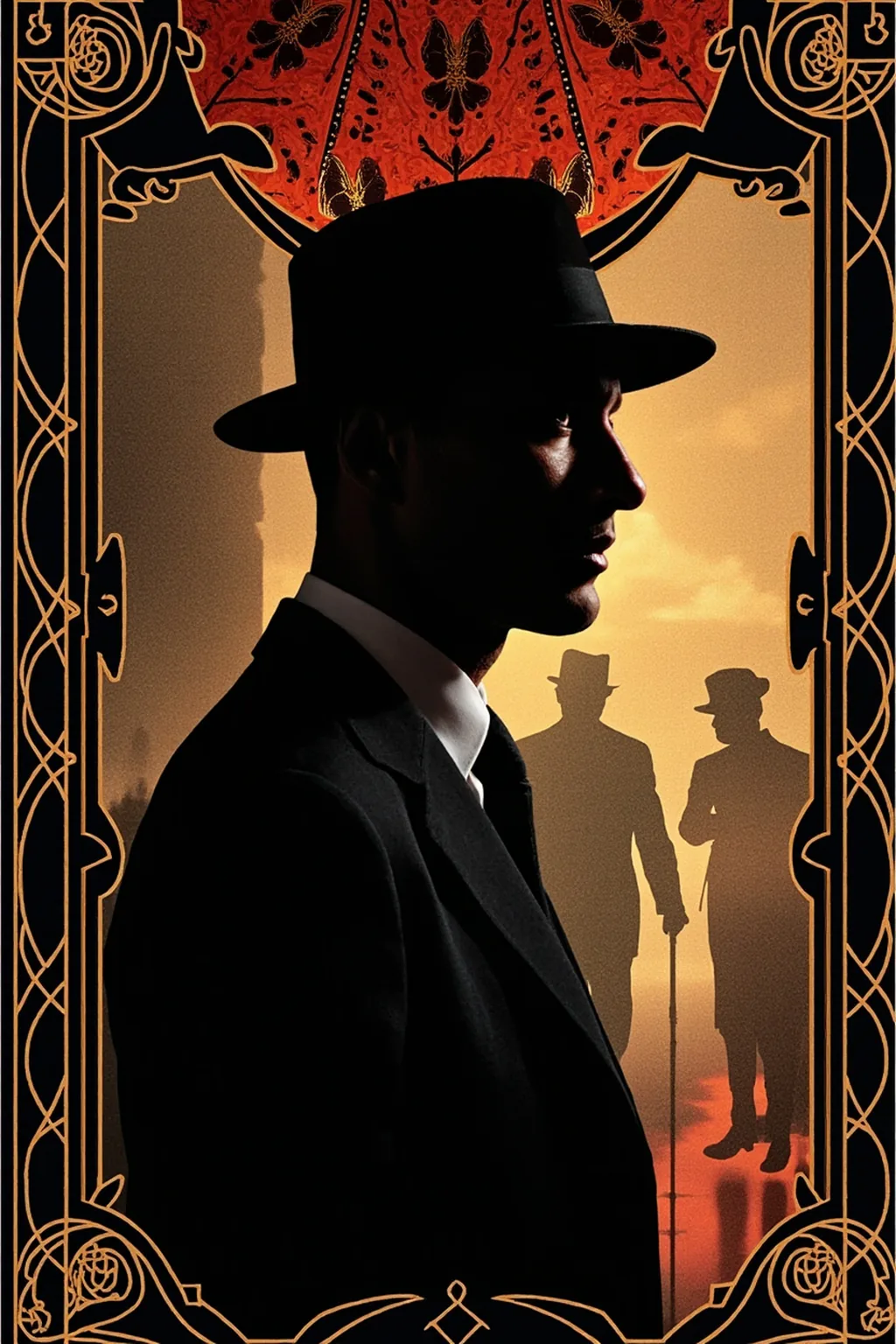
“那就戴上金帽吧,如果这能打动她;
如果你能高高跃起,也为她纵身跳起,
直至她高呼’戴着金帽的、高高跳跃的情人,
我必须拥有你!’”
“每当你想批评任何人时,“他告诉我,“记住,这个世界上并非所有人都拥有你所享有的那些优势。”
展开解读
尼克·卡拉威重述了父亲的智慧,这成为叙述者面对那些道德上有所妥协的人物时的哲学基础。这番忠告揭示了尼克根植于中西部背景的宽容与道德谦逊的原则,但菲茨杰拉德随即暗示了它的不足——保留判断是“一种无限希望的行为“,然而这种希望有其限度。尼克承袭的哲学与东卵那个令人堕落的世道之间的张力,将在整部小说中反复考验这份宽容的性情。
“保留判断是一种无限希望的行为。”
展开解读
这一对父亲忠告的细化,在尼克性格的核心引入了一个悖论:他的宽容既非被动也非天真,而是积极地充满希望,根植于一种信念——人们或许会证明自己比外表所显更为良善。菲茨杰拉德借这一坦陈将尼克定位为盖茨比故事的合适记录者,在这个故事中,希望本身既是人物前进的动力,也是他们悲剧性的脆弱所在。
“只有盖茨比——这位以自己的名字命名本书的人——免于我的反应——盖茨比,他代表了我由衷地蔑视的一切。”
展开解读
尼克宣称只有盖茨比免于他惯常的保留态度,这一宣告立即将这位神秘的邻居提升到寻常的道德范畴之上。然而,菲茨杰拉德让尼克在宣称自己被对方不可思议地吸引的同时,又谴责盖茨比的价值观“可鄙“,从而使这份敬意变得复杂。这种蔑视与迷恋并存的悖论,界定了叙述者与小说同名人物之间错综复杂的关系,并邀请读者与他一起分担这份悬而未决的犹疑。
“这是一片灰烬之谷——一个奇异的农场,灰烬像麦子一样生长成山脊、山丘和怪诞的花园;灰烬化作房屋、烟囱和袅袅升起的烟雾的形状,最终以一番超凡的努力,化为灰白色的男人,他们在粉状的空气中朦胧地移动着,已经开始崩塌。”
展开解读
西卵和纽约之间的灰烬之谷充当了小说中的道德与精神荒原,一个工业废料取代了自然生长的“奇异“景观。菲茨杰拉德反复运用灰烬意象——在这段文字中纹理尤为厚重——将这片土地转化为既有机又令人恐惧之物,仿佛人类本身正在分解为灰色的粉末。那些“灰白色的男人““朦胧地、已开始崩塌地移动着”,预示了像乔治·威尔逊这样被困在两片富裕海岸之间这片“庄严的垃圾场“中的角色的精神瓦解。
“T.J.埃克尔堡医生的眼睛是蓝色的,巨大无比——它们的视网膜有一码高。它们不是从任何一张脸上看出来的,而是从一副巨大的黄色眼镜后面看出去的,那眼镜架在一个不存在的鼻子上。”
展开解读
T.J.埃克尔堡医生那双纪念碑般、无脸之眼是小说中最令人难以忘怀的“缺席审判“的象征。菲茨杰拉德将这块广告牌的起源追溯到一位眼科医生——他为了招徕病人将其安装在那里,然后“自己沉入了永恒的盲目之中,或者将它们遗忘并搬走了“——这是对商业事业无常性的辛辣讽刺。那双如今“凝视着这庄严的垃圾场“的眼睛代表了一种注视一切却不审判任何事物的存在,一个因自身的人工性而变得无能为力的上帝般的观察者。乔治·威尔逊后来会将这双眼睛解读为神圣的见证,这揭示了绝望的悲伤如何将无意义的符号转化为孤注一掷的意义。
“夏日的夜晚,从邻居的宅邸传来音乐。在他蓝色的花园里,男男女女像飞蛾一样在低语、香槟和星光间穿梭来去。”
展开解读
第三章开篇将盖茨比的庄园定位为一场永不停歇的庆典,一个夏日欢宴的世界,宾客们“像飞蛾一样来来去去“。菲茨杰拉德笔下飞蛾扑火的意象暗示着吸引与危险并存,而“低语、香槟与星光“则唤起一种童话般的迷人氛围。蓝色的花园与永不歇止的娱乐标志着盖茨比试图构建另一种现实——一个能让他与黛西重逢的舞台。
“每周五都有五大箱橙子和柠檬从纽约的一位水果商那里运来——而每个周一,同样这些橙子和柠檬便从他后门化作一座无汁的半圆果皮金字塔离去。”
展开解读
每个周末机械般地榨取数百只橙子,正是盖茨比好客之道的工业规模体现,将自然的丰饶转化为机械化的过程。菲茨杰拉德的精确计数——“无汁的半圆果皮金字塔”——凸显了浮华财富表面之下无情的消耗与浪费,这一母题将在小说的悲剧结局中达到顶点。果实在到来时新鲜,离开时耗尽,恰如盖茨比本人,他那“非凡的希望天赋“同样将在夏末被消磨殆尽。
“酒吧生意正酣,一轮轮的鸡尾酒在外面的花园里弥漫开来……”
展开解读
酒吧生意正酣,鸡尾酒在花园中“弥漫“,既暗示着感官的丰盈,也暗示着道德的弥散——酒精松开了社会的拘谨,催生出盖茨比聚会上的种种轻率残忍。乐队的到来——“不是那种单薄的五件套,而是一整坑的双簧管、长号、萨克斯、中音提琴、短号和短笛”——宣告这场派对即一场戏剧演出,是被提升为艺术的表演。盖茨比好客之道的每一个元素都作为奇观运作,意在打动与压倒,而非真诚地连接。
“他是私酒贩子,“小姐们说,一边在他的鸡尾酒和他的鲜花之间游移。“有一次他杀了一个人,因为那人发现他是冯·兴登堡的外甥,又是魔鬼的远房表亲。”
展开解读
关于盖茨比的流言将犯罪的指控与超自然的揣测混合在一起,创造出一种使他同时显得危险又迷人的神话。走私与谋杀、魔鬼血统的随意并置,揭示了盖茨比在多大程度上已成为一张白纸,任由他人投射欲望与恐惧。年轻女士们在他的鸡尾酒与鲜花之间散布这些离奇传闻,将阴暗的揣测当作轻佻的消遣,而那些相互矛盾的说法——“他是德国间谍,不过有人说他其实是美国人”——则表明盖茨比真实的出身已被杜撰彻底遮蔽。
“那年夏天,我在时刻表空白处记下了到盖茨比家作客的来客姓名。那是一张旧时刻表了,折痕处已经散裂开来……”
展开解读
尼克对盖茨比宾客的记录使小说变成了档案文献,时刻表本身的物质性朽坏正映照出他所见证的道德瓦解。东卵、西卵以及戏剧界的纽约所构成的来客名单——跨越从参议员到离婚女人再到神秘富豪的社会阶层——构成了一份共谋者的人口普查。这些客人“以对他一无所知向他致以了微妙的敬意“,这表明无知本身也成为了一种敬意,一种集体默认维持盖茨比神秘发迹这一虚构的默契。
“那天晚上我回到西卵时,一时间竟担心我的房子着了火。两点钟了,整个半岛的角落都被照得通亮……”
展开解读
盖茨比宅邸在午夜的灯火通明既暗示了他的失眠,也暗示了他为重逢黛西而做的执迷准备。菲茨杰拉德关于火的隐喻——既是威胁,也是照亮——预示了盖茨比的激情将释放的毁灭性力量。那落在灌木丛上“显得不真实“、又在路边电线上“拉出细长闪光“的光线,暗示一座即将脱离现实、房主同样在希望与绝望之间悬浮的房子。
“我们俩都低头看着草地——那里有一条明显的分界线,划开了我那片参差不齐的草坪和他那片颜色更深、修剪整齐的草地。”
展开解读
尼克朴素的小屋与盖茨比的豪宅之间的边界,将小说中的阶级差异具象化了,那条“明显的分界线“标志着旧财富与新财富、真实与浮夸之间的分野。尼克“参差不齐的草坪“与盖茨比“颜色更深、修剪整齐的草地“形成对比,暗示着盖茨比所培植的一切都生长在更深沉、更幽暗的土壤之中。这共同凝视的瞬间确立了尼克对盖茨比谋划的共谋关系——他将化作那分隔两个世界的草丛,促成那可能将双方都毁灭的跨越。
“哎呀,我在想——哎呀,你瞧,老兄,你挣得也不多吧?”
展开解读
盖茨比笨拙地试图向尼克提供一桩生意机会——他的“生意“,后来变得清楚了,与迈耶·沃尔夫山姆所经营的私酒走私活动有关——这揭示出即便在他的友谊之中,也潜藏着交易性的逻辑。尽管他坐拥巨额财富和精心布置的庄园,他仍然请求尼克邀请黛西前来喝茶,这暴露出他的情感需求已经在多大程度上瘫痪了他的实际判断力。盖茨比无法简单地买下他想要的东西;他必须精心安排种种情境,让黛西能够自由地选择他——这种浪漫的理想主义几近于妄想。
“要说为什么这些编造出来的身份是北达科他州的詹姆斯·盖兹的一种满足,可不容易讲清楚。”
展开解读
菲茨杰拉德对盖茨比出生名字的直接揭示——“詹姆斯·盖兹——那才是他的真名,至少在法律意义上如此”——瓦解了围绕这位主人公所构建的神话。从第三人称的全知视角(“要说为什么这些编造出来的身份是”)转向第一人称的观察(“可不容易讲清楚”),这一转换创造了一个短暂的作者迟疑的瞬间,仿佛菲茨杰拉德本人也无法完全解释自我发明与真实身份之间的鸿沟。即使北达科他州的詹姆斯·盖兹的秘密已被揭穿,他依然是一个神秘的人物。
“他是上帝之子——这个短语,如果它意味着什么,正意味着如此——他必须从事他父亲的事业,服务于一种宏大、庸俗、俗艳的美。”
展开解读
这种柏拉图式的盖茨比自我观念,将他的转变定位为准宗教性的圣召,一种对“他父亲的事业“的召唤,将单纯的物质成功提升为神圣的宗旨。然而菲茨杰拉德随即用“庸俗、俗艳的美“来限定这种崇高——这些恰恰是使盖茨比的美学区别于真正品质的特征。神性抱负与卑俗践行之间的张力,定义了盖茨比的悲剧:他在十七岁发明了理想的自我,并自始至终“忠于“它,从未意识到他的梦想已被追求本身所腐蚀。
“当人们对盖茨比的好奇心达到顶点时,他房子里的灯光在一个星期六的夜晚不再亮起——而正如它神秘地开始一样,他作为特里马尔基奥的生涯就此结束。”
展开解读
菲茨杰拉德明确援引了佩特罗尼乌斯的《萨蒂利孔》,将盖茨比比作特里马尔基奥——那个以粗俗财富和盛大宴席定义这部罗马小说讽刺对象的获释奴隶。正如特里马尔基奥的宴会以怪诞的炫耀掩盖了奴隶出身,盖茨比的款待也掩盖了他与迈耶·沃尔夫山姆的犯罪勾连。灯光的熄灭不仅标志着宴会的结束,更标志着支撑其身份——以及他重新赢得黛西的希望——的整个虚构的崩塌。
“我想要一个不会乱嚼舌根的人。黛西经常来——下午的时候。”
展开解读
盖茨比解雇原来的仆人,替换为沃尔夫山姆的人手,这将他府邸从社交场所转变为秘密行动。他承认黛西“经常来——下午的时候“,这揭示出他的生活已完全围绕她重新组织,每一处家庭安排都从属于维系他们的秘密。菲茨杰拉德关于“整个客栈“在她眼中的不悦下“像纸牌搭的房子一样坍塌“的意象,暗示盖茨比的整个世界脆弱如纸建筑,依赖于一个可能永远不会完全委身于他的女人的认可。
“第二天酷热难耐,几乎是夏天最后一天,无疑也是最热的一天。”
展开解读
这种最终将走向悲剧的酷热,既是身体上的感受,也是情感上的隐喻——它让角色们汗流浃背、浑身不适,同时加剧了向着对峙不断累积的心理压力。菲茨杰拉德坚持强调这一天“几乎是最后一天“也是夏天“无疑最热的一天“,将这场戏定位为多重的顶点:即将爆发的气温、即将结束的季节、盖茨比希望即将走向彻底破灭的临界点。
“我整夜无法入睡;海湾上雾角的呜咽声不绝于耳,我在怪诞的现实与野蛮、骇人的噩梦之间辗转反侧,几近病态。”
展开解读
尼克在失眠之夜所听到的雾角,将海湾引介为一道隔开两个世界的声音边界,它那“呜咽“的嗓音预示着即将到来的哀悼。他那种“在怪诞现实与野蛮、骇人噩梦之间“的状态,捕捉到了小说悲剧余波中将出现的迷失感——那时发生的事与想象中的事将再也无法分辨。夜的混乱已将尼克变成了一个被自己目睹的暴力与未能挽救的友情所萦绕的人。
“起初我感到惊讶与困惑;后来,当他躺在屋子里一动不动、不再呼吸、也不再说话,一小时又一小时过去时,我渐渐意识到自己是有责任的,因为没有别人在意——我所说的在意,是那种强烈的、私人的关切,而每个人在临终之际,都对这种关切怀有某种模糊的权利。”
展开解读
尼克对盖茨比的责任感,在尸体静静躺在屋中、“一小时又一小时“等待一个已将他抛弃的世界认领的意象中,凝固成形。他反复强调“没有别人在意”,精准地捕捉到了盖茨比身边那群人的道德贫乏——他们赴宴无数,却从未构成真正的牵系。他承认每个人在临终之际都对他人之关切怀有某种“模糊的权利“,这暗示着:活着的关系所要求的,远比死后对见证者的要求更多。
“但是她和汤姆那天下午很早就走了,还带走了行李。”
展开解读
布坎南夫妇带着“行李“——复数、装得满满、有所准备——离去,揭示出这是一种有预谋的遗弃,而非仓皇出逃。黛西和汤姆不留下转递地址,选择了缺席而非担当,选择了安逸而非良知。菲茨杰拉德对这次抛弃的简略叙述——“没有留下地址?”“没有。”——凸显了取代联结的沉默,凸显了权势者如何逃脱后果,而留下的人却承担起一切发生的重量。尼克毫不犹豫地致电黛西的本能反应,使他未能联系上她的失败愈发令人心碎——一份尚未被检验便已熄灭的希望。
展开解读
这段献辞归于托马斯·帕克·丹维里耶——菲茨杰拉德的诗歌笔名——确立了小说的核心主题:对浪漫的追求与遥不可及的理想。那位必须以跃动与活力来俘获人心的“戴金帽、高高跳跃的情人“,预示了杰伊·盖茨比为重新赢回黛西·布坎南而展开的绝望而充满激情的追寻,为整个建立在渴望与表演之上的叙事定下了基调。