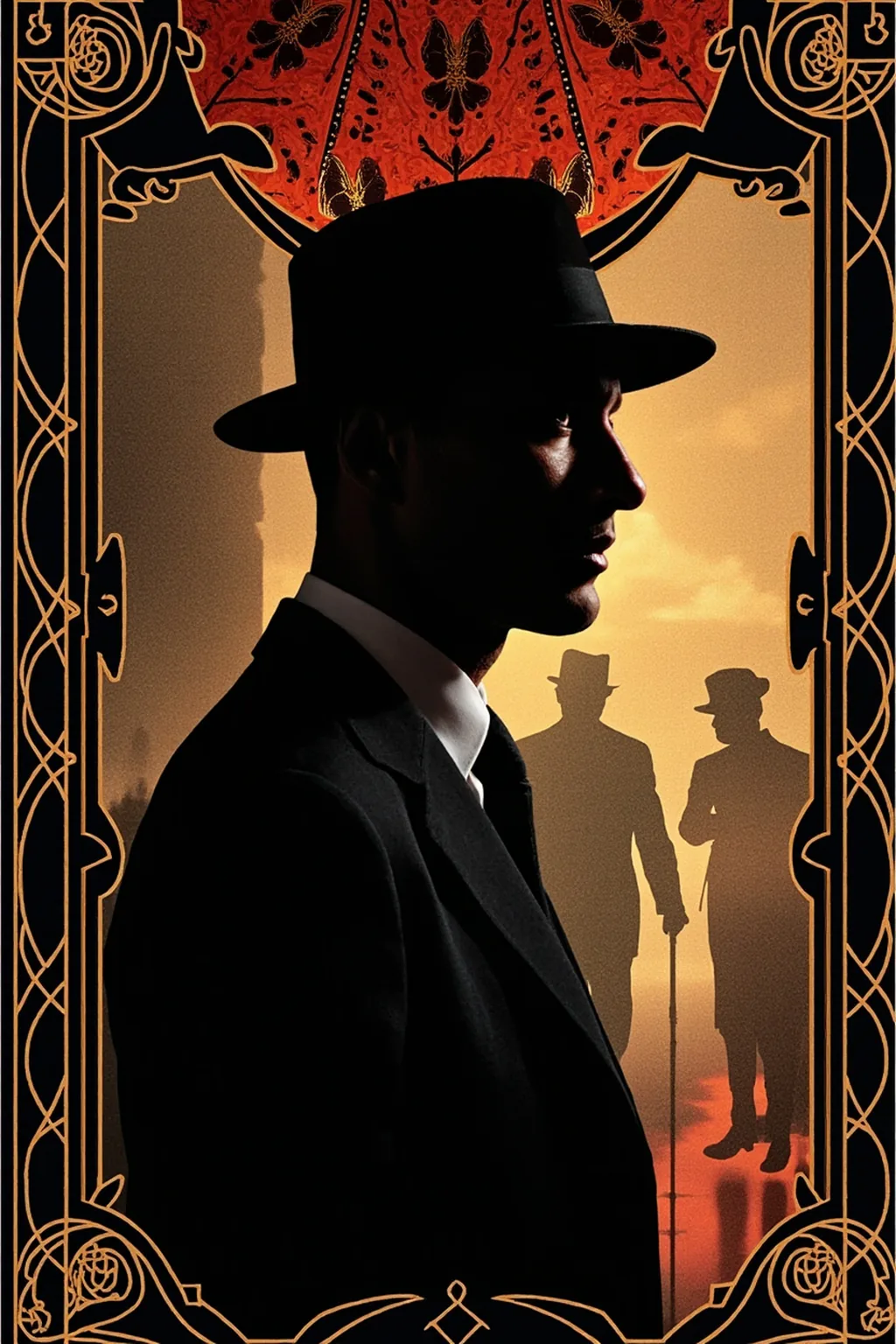
Study Guide: The Great Gatsby by F. Scott Fitzgerald
Book Overview
F. Scott Fitzgerald’s The Great Gatsby (1925) is a seminal exploration of the American Dream set against the decadent backdrop of Jazz Age Long Island. Through the eyes of Nick Carraway, the novel examines themes of wealth, love, idealism, and social class during the Roaring Twenties.
Chapter-by-Chapter Study Notes
Chapter I: Introduction and Setting
The novel opens with Nick Carraway recalling his father’s advice about reserving judgment toward others, a philosophy that shapes his role as narrator. Nick moves from the Midwest to West Egg, Long Island, in 1922 to work in the bond business.
Key Elements:
- Nick Carraway establishes himself as the unreliable but morally conscious narrator
- West Egg vs. East Egg geography symbolizes the divide between new money (Gatsby) and old money (Buchanans)
- Tom Buchanan is introduced as an arrogant, physically imposing man with racial prejudices
- Daisy Buchanan possesses a “thrilling” voice that Nick describes as unforgettable, though men who loved her found it difficult to forget the “singing compulsion”
- Jordan Baker appears as a golf champion with a wan, discontented face—“absolutely in training”
- First mention of Gatsby occurs when Jordan casually notes she knows somebody in West Egg
The Green Light makes its first appearance as Gatsby stretches his arms toward a distant green light across the water, symbolizing his unreachable aspirations.
Chapter II: The Valley of Ashes
This chapter transitions from East Egg refinement to the desolate landscape between West Egg and New York—a “valley of ashes” where ashes grow like wheat into ridges and hills.
Key Elements:
- The Valley of Ashes represents the spiritual and moral decay beneath wealthy surfaces
- Doctor T.J. Eckleburg’s Eyes brood over the solemn dumping ground from a faded billboard, symbolizing moral emptiness and divine judgment
- George Wilson is introduced as a “blond, spiritless man, anaemic, and faintly handsome” who runs a garage
- Myrtle Wilson possesses “immediately perceptible vitality” despite her plain face—she smiles and walks through her husband as if he were a ghost
- The chapter depicts the journey to Myrtle’s New York apartment and introduces Catherine, the McKees, and the party atmosphere
Tom’s Brutality: Myrtle’s nose is broken when she invokes Daisy’s name, revealing the violence beneath the social surface.
Chapter III: Gatsby’s Party
Fitzgerald depicts extravagant parties at Gatsby’s West Egg estate with blue gardens, a full orchestra, champagne, and hundreds of guests.
Key Elements:
- Gatsby’s Lavish Lifestyle: Blue gardens, motorboats, a diving raft, Rolls-Royce transportation, and catering for hundreds
- Wild Speculation: Guests claim Gatsby killed a man, was a German spy, or served in the American army—no reliable information exists
- The Owl-Eyed Man: An intoxicated patron in Gatsby’s library marvels that the books are genuine, not cardboard facades
- Nick’s Formal Invitation: Delivered by a chauffeur in robin’s-egg blue uniform, establishing Nick as one of few properly invited guests
- Gatsby’s Rare Smile: Possessing “eternal reassurance” that confronts the whole world for an instant before vanishing
The Ditch Incident: After the party, Owl Eyes crashes a coupé, admitting he wasn’t even driving—this randomness foreshadows the novel’s tragic climax.
Chapter IV: Gatsby’s Origins and Daisy’s Past
This chapter reveals Gatsby’s fabricated background while uncovering Daisy Buchanan’s history from 1917.
Key Elements:
- Gatsby’s Account: Claims wealthy Midwestern origins, Oxford education, European adventures, and war heroism—but his story “fell to pieces” when examined
- The Montenegro Medal: An apparently authentic piece of metal bearing the inscription “Major Jay Gatsby, For Valour Extraordinary”
- The Oxford Photograph: Convinces Nick briefly, showing Gatsby with a cricket bat beside the Earl of Doncaster
- Mr. Wolfshiem: A gambler who “fixed the World’s Series back in 1919,” revealing Gatsby’s criminal connections
- Daisy’s 1917 Meeting: She met Gatsby—a lieutenant in a white roadster—before he went to war
- The Wedding Day Incident: Daisy was found drunk, clutching a letter (from Gatsby) and diamonds in a wastebasket, but ultimately wore the pearls and married Tom
- Gatsby’s Request: He asks Nick to invite Daisy to tea so he can see her, demonstrating both his hope and his careful planning—he bought his house specifically so Daisy would be “just across the bay”
Chapter V: The Reunion
Nick facilitates the first reunion between Gatsby and Daisy five years after their separation.
Key Elements:
- Gatsby’s Restless Night: His mansion blazes with light at 2 a.m. as he wanders, proposing impulsive activities
- The Rainy Afternoon: Gatsby arrives an hour early, pale and nervous, dressed in white flannel
- The Fallen Clock: In his nervousness, Gatsby leans against the mantelpiece clock, nearly breaking it
- Nick’s Strategic Absence: He leaves to give the pair privacy, waiting under a tree
- The Tour of Gatsby’s Estate: Gatsby shows Daisy his collection of custom-ordered shirts—fine linen, silk, and flannel—that overwhelm her with their beauty and quantity
- The Green Light: Gatsby points out the light at the end of Daisy’s dock, realizing it has lost its magical significance now that she is with him
The Shirts Scene: Daisy cries into the pile of shirts, saying she has never seen anything so beautiful—a moment that crystallizes the relationship between Gatsby’s wealth and his pursuit of Daisy.
Chapter VI: True Origins
The chapter reveals Gatsby’s humble beginnings while depicting Tom and Daisy’s attendance at a Gatsby party.
Key Elements:
- James Gatz: His legal birth name was James Gatz of North Dakota, the son of “shiftless and unsuccessful farm people”
- Dan Cody: A fifty-year-old silver millionaire who took young Gatsby under his wing, giving him his “singularly appropriate education”
- Platonic Conception: Gatsby invented the ideal version of himself at seventeen and remained faithful to that conception throughout his life
- Tom’s Visit: The Sloanes and Tom arrive at Gatsby’s with cold indifference and barely concealed contempt
- The Party Through Daisy’s Eyes: She finds West Egg “appalling”—its raw vigor chafes against old euphemisms
- Gatsby’s Desire to Repeat the Past: He insists he can “repeat the past,” believing he can return to Louisville and marry Daisy as if five years never passed
The First Kiss Memory: Gatsby recounts an autumn evening when he and Daisy walked as leaves fell, and he perceived the sidewalk forming a ladder to “a secret place above the trees.” He kissed her and she “blossomed for him like a flower.”
Chapter VII: The Confrontation and Tragedy
The chapter’s climax features the Plaza Hotel confrontation and the tragic accident.
Key Elements:
- The End of the Parties: Gatsby dismisses servants and replaces them with Meyer Wolfshiem’s people, isolating his household
- Meeting Pammy: Gatsby is surprised by Daisy’s daughter, as if he had “never really believed in its existence before”
- Switching Cars: Daisy proposes a split—Tom drives Gatsby’s car with Nick and Jordan while Daisy goes with Gatsby in Tom’s yellow coupé
- Wilson’s Garage: Wilson is sick and determined to move west with Myrtle, who watches from the window above
- The Plaza Confrontation: Tom exposes Gatsby’s bootlegging, calling him “Oggsford, New Mexico,” while Gatsby declares Daisy never loved Tom
- Myrtle’s Death: She runs into the road and is struck by a speeding yellow car that does not stop
Gatsby Takes the Blame: He confesses to Nick that he took the wheel after Daisy lost control, protecting her from consequences. He stations himself outside Buchanan home to protect Daisy.
Chapter VIII: The Death of Dreams
This chapter follows the aftermath of the accident, with Wilson’s grief transforming into dangerous suspicion.
Key Elements:
- Gatsby’s Vigil: He waits through the night in the moonlight, hands in pockets, watching Daisy
- Nick’s Praise: “They’re a rotten crowd. You’re worth the whole damn bunch put together.”
- The Morning After: Daisy came to the window at four o’clock but turned out the light
- Wilson’s Suspicion: He becomes convinced his wife was unfaithful and sets out to find the yellow car’s owner
- The Eyes of Doctor T.J. Eckleburg: Wilson interprets the faded billboard eyes as God’s judgment
- Gatsby’s Final Afternoon: He puts on his bathing suit, dismisses help, and waits alone by the pool
Gatsby’s Death: Wilson shoots Gatsby before turning the gun on himself, completing the “holocaust.”
Chapter IX: Aftermath and Reflection
The final chapter covers Gatsby’s funeral and Nick’s reflections before returning to the Midwest.
Key Elements:
- Press Coverage: Reports are described as “nightmare—grotesque, circumstantial, eager, and untrue”
- Mr. Gatz Arrives: Gatsby’s father shows Nick his son’s boyhood schedule dated September 12, 1906, revealing the young Gatsby’s determination to improve himself
- The Sparse Funeral: Only Nick, Mr. Gatz, the minister, and the owl-eyed man attend
- The Owl-Eyed Man’s Farewell: He calls Gatsby “the poor son-of-a-bitch”
- Confrontation with Tom: Tom admits telling Wilson the truth about the car but shows no remorse
- Nick Returns West: The East becomes “haunted” for him, distorted beyond correction
The Final Reflection: Nick watches the moonlight over Gatsby’s estate, recalling the Dutch sailors who first beheld the new world, and contemplates the “last and greatest of all human dreams”—humanity’s boats beating against the current, borne ceaselessly into the past.
Key Themes
The American Dream
Gatsby’s transformation from James Gatz to Jay Gatsby represents the possibility of reinvention, yet his downfall reveals the corruption inherent in pursuing wealth through dishonest means.
Social Class
The divide between East Egg (old money) and West Egg (new money) creates irreconcilable tensions. Gatsby can buy a mansion but never truly enter the Buchanans’ world.
The Past and Its Impossibility
Gatsby believes he can “repeat the past,” but Nick warns him he cannot. The novel demonstrates time’s irreversibility and the danger of living in dreams rather than reality.
Moral Decay
The Valley of Ashes and the eyes of Doctor T.J. Eckleburg symbolize moral emptiness beneath wealth’s surface. Characters like Tom and Daisy are “careless”—they destroy people and things without consequence.
Love as Idealism
Gatsby loves not the real Daisy but the idealized dream he built over five years. This “appalling sentimentality” both elevates and destroys him.
Major Symbols
| Symbol | Significance |
|---|---|
| The Green Light | Gatsby’s unreachable aspirations, located at the end of Daisy’s dock |
| The Eyes of Doctor T.J. Eckleburg | Divine judgment, moral emptiness, the god-like gaze upon the valley |
| The Valley of Ashes | Spiritual and moral decay beneath wealthy surfaces |
| Gatsby’s Mansion | His attempt to purchase legitimacy and entry into old money society |
| The Shirts | Wealth, abundance, and the material trappings of his dream |
| The Clock | Time’s passage and the moment of reunion nearly broken by nervous accident |
Character Summaries
Jay Gatsby (James Gatz): A self-made man who reinvented himself to win Daisy’s love. His “extraordinary gift for hope” and “romantic readiness” drive the novel’s tragedy.
Nick Carraway: The moral observer who reserves judgment but ultimately recognizes Gatsby’s worth. His reliability as narrator is questionable but his commentary is essential.
Daisy Buchanan: A woman described as having a “bright, passionate mouth” and voice. She cannot escape the security of her wealth and class, ultimately choosing Tom over Gatsby.
Tom Buchanan: Physically powerful and morally bankrupt. His contempt for Gatsby masks class anxiety, and his affair with Myrtle Wilson reveals his fundamental carelessness.
George Wilson: The tragic husband who discovers his wife’s infidelity and becomes convinced God has witnessed her sins, leading to murder and suicide.
Myrtle Wilson: Possessing vitality that attracts Tom despite her lower station. Her death is the tragic consequence of Tom’s carelessness.
Jordan Baker: A golf champion who is “incapably dishonest.” Her relationship with Nick parallels the larger themes of deception and failed connections.
Study Questions
-
How does Fitzgerald establish the geography of East Egg versus West Egg as a symbol of class division?
-
What is the significance of the green light, and how does its meaning change for Gatsby after his reunion with Daisy?
-
How does Nick’s father’s advice about “reserving judgment” shape his role as narrator throughout the novel?
-
In what ways does Gatsby’s pursuit of the American Dream lead to his moral corruption and eventual downfall?
-
What is the function of the eyes of Doctor T.J. Eckleburg in the novel’s moral framework?
-
How does Fitzgerald contrast the elaborate parties at Gatsby’s estate with the desolation of the Valley of Ashes?
-
Why does Gatsby believe he can “repeat the past,” and why is Nick’s warning significant?
-
What does the novel suggest about the relationship between wealth, class, and moral integrity?
-
How does Fitzgerald use the clock-falling incident to foreshadow the destruction of Gatsby’s dreams?
-
What does the ending suggest about the American Dream’s sustainability in modern America?
Key Quotes to Remember
“Whenever you feel like criticizing anyone, just remember that all the people in this world haven’t had the advantages that you’ve had.” — Nick’s father’s wisdom that shapes his narration
“So we beat on, boats against the current, borne back ceaselessly into the past.” — The novel’s concluding meditation on the American Dream
“I hope she’ll be a fool—that’s the best thing a girl can be in this world, a beautiful little fool.” — Daisy’s mother’s advice
“They were a rotten crowd, you ought to go home and get some sleep.” — Gatsby’s dismissal of party guests, revealing his isolation
“The truth was that Jay Gatsby of West Egg, Long Island, sprang from his Platonic conception of himself.” — The revelation of Gatsby’s self-invention
“Can’t repeat the past? Why of course you can!” — Gatsby’s refusal to accept reality’s limitations
This study guide provides a comprehensive framework for understanding Fitzgerald’s masterwork, tracing the arc from introduction through tragedy to final reflection.