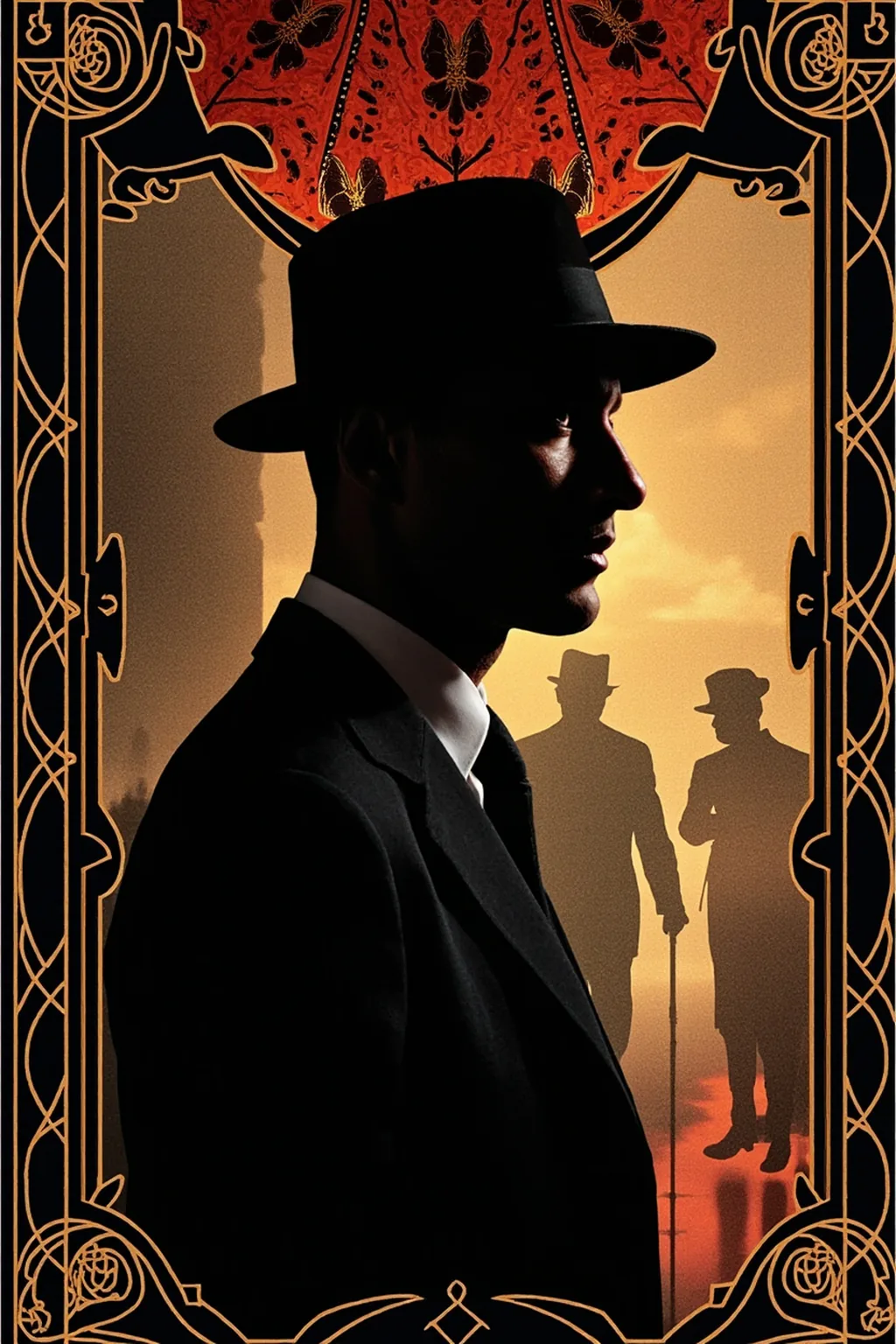
The Great Gatsby – Reading Notes
Chapter I: Introduction to West Egg and East Egg
- Narrator’s Philosophy: Nick Carraway opens with his father’s advice: reserve judgment, remembering that not everyone has had the same advantages. He admits this tolerance has limits—beyond a certain point he no longer cares what “foundation” people’s conduct rests upon.
- Nick’s Background: Third-generation Midwesterner; Yale ’15; WWI veteran; moved to New York to learn the bond business in spring 1922. He rents a modest bungalow in West Egg (the less fashionable of the two egg-shaped landforms) for $80/month, next to Gatsby’s mansion.
- East Egg Society: Nick visits his cousin Daisy Buchanan and her husband Tom at their Georgian Colonial mansion in East Egg. Tom is a wealthy, athletic, hard-mouthed thirty-year-old with racist views (citing The Rise of the Coloured Empires) and supercilious manner.
- The Buchanan Circle: Daisy is described as thrilling, charming, and sad; her voice carries a “singing compulsion.” Jordan Baker, a professional golfer, is introduced—slender, cynical, “absolutely in training,” and already suspected of dishonesty (a later scandal involving a moved golf ball).
- First Mention of Gatsby: Jordan contemptuously tells Nick he must know “somebody” in West Egg—meaning Gatsby. The name creates intrigue; Nick knows nothing about him.
- Gatsby’s First Appearance: As Nick drives home, he sees his neighbor standing alone under the stars, reaching toward a dark water. In the distance, a single green light burns at the end of a dock—the first sighting of Gatsby’s gesture toward an unreachable dream.
Chapter II: The Valley of Ashes
- The Wasteland: Between West Egg and New York lies the “valley of ashes”—a desolate landscape of gray dust, ash-grey men, and decaying industry, bounded by a foul river. A billboard of Doctor T.J. Eckleburg presides over it, its enormous blue eyes brooding over the “solemn dumping ground” like a symbol of divine judgment.
- Myrtle Wilson: Tom’s mistress is introduced in her husband’s garage. She is thirtyish, sensuous, vital—her nerves “continually smouldering.” She walks through George Wilson “as if he were a ghost” and immediately orders him around.
- The Train Ride: Myrtle travels separately to avoid East Egg sensibilities. Tom confides that Wilson thinks she visits her sister in New York; Tom adds that Wilson is “so dumb he doesn’t know he’s alive.”
- Myrtle’s Apartment (158th Street): A cramped, tasteless space overstuffed with tapestried furniture. A distorted enlargement of a hen resolves into a bonnet and a stout old lady’s face. Copies of Town Tattle and scandal magazines lie about.
- The Party: Catherine (Myrtle’s sister), Mr. and Mrs. McKee (a photographer couple), and others arrive. Myrtle changes into an elaborate cream chiffon dress and transforms from garage-vitality into “impressive hauteur.”
- Violence: Near midnight, Myrtle invokes Daisy’s name repeatedly. Tom breaks her nose with his open hand—a swift, brutal, precise act. The party shatters into chaos: bloody towels, wailing, the McKees fleeing, Nick leaving stunned and drunk.
Chapter III: Gatsby’s Party
- Gatsby’s Machine: Nick observes the scale of Gatsby’s entertaining: five crates of oranges/lemons every Friday (processed by a butler into juice for 200 oranges in half an hour); a Rolls-Royce for city trips; a station wagon for train arrivals; eight servants repairing damage every Monday after weekend parties.
- The Invitation: Nick receives a formal note signed by Jay Gatsby via a chauffeur in a robin’s-egg-blue uniform—rare, as most guests simply arrive.
- The Party: By seven, a full orchestra plays; canvas spreads across the lawn; guests mingle in primary colors. Nick recognizes faces from the train. Young Englishmen (likely bond salesmen) circulate. The scene is chaotic, theatrical, and anonymous.
- Rumors: Guests speculate wildly—Gatsby is a bootlegger, a German spy, a murderer, the nephew of Kaiser Wilhelm, an Oxford man. No one knows the truth.
- The Library and the Owl-Eyed Man: Nick and Jordan find a drunk middle-aged man with enormous spectacles examining Gatsby’s library. He reveals the books are real (uncut pages), not cardboard facades—Gatsby’s attention to detail is obsessive.
- Meeting Gatsby: Gatsby approaches Nick at the bar. He is not the florid, corpulent middle-aged man Nick expected, but a young, tanned figure with a “rare smile” offering eternal reassurance. Gatsby apologizes for not being a good host.
- The Crash: Leaving after 2 a.m., Nick witnesses a coupé wrecked in a ditch—Owl Eyes at the wheel (though another man was actually driving). The accident mirrors the novel’s careless atmosphere.
Chapter IV: Guest List and Gatsby’s Origin Story
- The Roster: Nick provides a detailed timetable (dated July 5, 1922) of those who accepted Gatsby’s hospitality. Guests range from East Egg aristocrats to theatrical types and movie people, including some who later went to prison or committed suicide.
- Gatsby’s Biography (as told to Nick): Claims to be the son of wealthy Midwest parents (San Francisco), educated at Oxford because ancestors had gone there for generations, lived like a “young rajah” in Europe collecting rubies, and served as a decorated war hero in the Argonne Forest holding off three German divisions single-handedly.
- The Montenegro Medal: Gatsby produces a medal inscribed “Major Jay Gatsby, For Valour Extraordinary.” An Oxford photograph shows him with the “Earl of Doncaster.” Both items impress Nick with their authentic detail, though he remains skeptical.
- The Business Offer: Gatsby makes a vague, nervous pitch for a “confidential” side business for Nick, clearly implicating illicit activity. Nick declines, leaving Gatsby “quiet and disappointed.”
- Meyer Wolfshiem: Introduced at lunch: a small, flat-nosed Jew with molar cufflinks who “fixed the World Series back in 1919.” His presence confirms Gatsby’s criminal connections.
- Daisy’s Past: Jordan recounts Louisville, 1917: Daisy was eighteen, the most popular girl in town, dating a young officer—Jay Gatsby. She married Tom Buchanan in Chicago in 1919 with extraordinary splendor (a $350,000 pearl necklace).
- The Wedding Crisis: Hours before marrying Tom, Daisy was found drunk, clutching a letter, threatening to call off the wedding. She sobered up, wore the pearls, and married Tom without hesitation.
- Gatsby’s Purpose: Jordan reveals Gatsby bought his West Egg house specifically to be across the bay from Daisy. He wants Nick to invite her over for tea—a modest request from a man who has built a palace to starve for a dream.
Chapter V: The Reunion
- Midnight at Gatsby’s: After the revelation of Gatsby’s purpose, Nick arrives home at 2 a.m. to find Gatsby’s mansion blazing with light. Gatsby is awake, restless, proposing impulsive trips to Coney Island or a swim in the pool.
- The Tea Invitation: Nick calls Daisy the next morning and invites her for tea, warning her not to bring Tom.
- Rainy Preparation: Gatsby sends a man to cut Nick’s lawn (a small, obsessive gesture) and a truckload of flowers from a greenhouse (making Nick’s own purchases unnecessary).
- The Reunion: Gatsby arrives an hour early, pale, exhausted, convinced Daisy won’t come. When she arrives, he is “pale as death” in the hall. In his nervousness he leans against the mantelpiece clock so hard it tilts; he fumbles to catch it.
- Nick’s Withdrawal: Nick slips out to wait in the rain under a tree. Returning, he finds the atmosphere transformed—awkwardness gone, Daisy has been crying, Gatsby glows with joy.
- The Shirts: Gatsby shows Daisy his collection of custom-ordered English shirts. She weeps into them, overwhelmed by their beauty and the life of luxury they represent—life she could have had.
- The Green Light: Walking the lawn, Gatsby points out the green light at the end of Daisy’s dock. It has lost its magical quality now that Daisy is actually there; the dream is within reach, and the symbolism dims.
- Klipspringer: Gatsby summons his boarder to play piano. Nick slips away quietly, leaving the couple alone in the deepening evening.
Chapter VI: Gatsby’s Origins and the Party with the Buchanans
- The Reporter: An ambitious journalist visits Gatsby, confirming that rumors about him (bootlegger, spy, murderer, cousin of the Kaiser) have grown wild. Gatsby is amused but untouched—he is James Gatz of North Dakota.
- The Transformation: At seventeen, on the shore of Lake Superior, James Gatz encounters Dan Cody’s yacht. He rows out to warn Cody of danger and becomes Jay Gatsby—borrowing a new identity that he perfects for life.
- Dan Cody: A millionaire miner who took Gatsby aboard as a steward, mate, and secretary for five years, teaching him the ways of wealth. Cody died without leaving Gatsby the inheritance promised (Ella Kaye manipulated the will).
- Tom’s Visit: Tom, Mr. Sloane, and a pretty woman visit Gatsby. They are cold, contemptuous. Gatsby tries to engage them, mentioning he knows Daisy, but they leave abruptly—Gatsby left standing, humiliated.
- The Buchanans at the Party: Tom and Daisy attend one of Gatsby’s Saturday night parties. Daisy finds it “appalling” yet romantic; she is “drunk” with flirtation, calling Gatsby’s eyes “full of—” (the word interrupted by Tom). Tom borrows her gold pencil for addresses.
- The Dream: Gatsby is already disillusioned by the evening. He wants Daisy to say she never loved Tom and wipe out five years. Nick warns him, “You can’t repeat the past.” Gatsby cries, “Why of course you can!” His desire to reconstruct 1917 Louisville reveals his tragic idealism.
Chapter VII: The Climax
- The End of Parties: Gatsby’s lights go out one Saturday; he has fired his old servants and replaced them with Wolfshiem’s people—silent, watchful, loyal to the criminal operation rather than to Gatsby’s social image.
- The Heat: A sweltering summer day. The group travels by train to East Egg. Tom argues on the telephone about selling a car. Daisy and Jordan recline on the couch like “silver idols.” Gatsby stands in the center of the crimson carpet, absorbed in the grandeur he can never fully possess.
- Pammy: Daisy’s baby daughter is paraded in. Gatsby stares with surprise—he had never truly accepted she existed. Pammy is “a trophy of the Buchanan lineage,” proof of the biological world Gatsby has excluded from his dream.
- The Drive: They decide to go to town. Tom insists on driving Gatsby’s yellow car (with Nick and Jordan), while Gatsby takes Daisy in Tom’s coupé. The car switch is deliberate provocation.
- Wilson’s Garage: Stopping at the garage, they find Wilson gaunt, sick, haunted—he knows about Myrtle’s affair and plans to move West. Myrtle watches from the window, mistaking Jordan for Tom’s wife.
- The Plaza Hotel: The group argues in a stifling suite. Tom presses Gatsby on his Oxford claim and bootlegging. Gatsby declares Daisy never loved Tom; Daisy wavers, then crumbles under Tom’s emotional appeal. Daisy admits she “did love him once—but I loved you too.”
- The Accident: Leaving the hotel, Gatsby drives Daisy in his yellow car. She is driving (or Gatsby claims to be driving her); a woman runs into the road—Myrtle Wilson. The car strikes and kills her, then speeds on.
- The Vigil: Gatsby stations himself outside the Buchanan house to watch over Daisy. Nick secretly observes Tom and Daisy in the kitchen, sharing cold chicken, talking quietly—reconciled. Gatsby waits in the bushes, protecting a woman who has already returned to her husband.
Chapter VIII: Gatsby’s Death
- Dawn: Nick finds Gatsby still standing in his doorway, dejected. Daisy came to the window at four, stood there briefly, then turned out the light.
- Gatsby’s Confession: Forced to confront reality, Gatsby tells Nick the full story of his love: Daisy was the first “nice” girl he had ever known; he visited her as a penniless officer in Camp Taylor; he loved her with such intensity that he felt he could “suck on the pap of life” by kissing her.
- False Pretenses: Gatsby admits he had no right to touch Daisy’s hand—he was a soldier with no money, no future. He gave her a sense of security he did not possess. When the war ended and complications sent him to Oxford instead of home, Daisy married Tom.
- Nick’s Eulogy: Before leaving, Nick shouts across the lawn: “They’re a rotten crowd. You’re worth the whole damn bunch put together.” Gatsby smiles, understanding.
- Wilson’s Descent: Wilson, half-mad with grief, finds an expensive dog leash in Myrtle’s bureau and becomes convinced she was murdered by her lover. He looks at the eyes of Doctor T.J. Eckleburg and declares, “God sees everything,” interpreting the billboard as divine witness to the crime.
- The Murder: Wilson walks to Gatsby’s house. Gatsby is floating on a pneumatic mattress in his pool, waiting for a phone call from Daisy that never comes. Wilson shoots him. The mattress drifts in the water, leaves circling it, a “thin red circle” spreading.
Chapter IX: Aftermath and Departure
- The Press: The newspapers sensationalize the crime with “grotesque, circumstantial, eager, and untrue” stories. Catherine Wilson testifies that her sister was happy in her marriage; Wilson is declared “a man deranged by grief.”
- Abandonment: Daisy and Tom leave town with baggage, no forwarding address. Wolfshiem refuses to come to the funeral, citing business. Klipspringer calls only to ask about his tennis shoes.
- Gatsby’s Father: Mr. Henry C. Gatz arrives from Minnesota, helpless, trembling, leaking tears with excitement. He shows Nick Gatsby’s boyhood schedule (1906)—rising at 6 a.m., exercising, studying electricity, practicing elocution, resolving never to smoke or waste time.
- The Funeral: At three p.m., only five people attend: Nick, Mr. Gatz, the minister, the owl-eyed man from the library, and three servants. The owl-eyed man, wiping his glasses, calls Gatsby “the poor son-of-a-bitch” and notes that hundreds used to go to his parties.
- Nick’s Final Confrontation: On Fifth Avenue, Nick meets Tom. Tom admits he told Wilson the yellow car was Gatsby’s after Wilson forced his way into the garage. Tom shows no remorse, weeping only over a box of dog biscuits when vacating his apartment. Nick shakes his hand but sees him as “careless” and “childlike.”
- Parting with Jordan: Nick meets Jordan, now engaged to another man. She references their old conversation about “bad drivers.” Nick says he is “too old to lie to himself” and turns away “angry, and half in love with her.”
- The Green Light and the American Dream: Nick walks through Gatsby’s empty, graffitied estate one last time. He imagines Dutch sailors beholding the new world. He recalls Gatsby’s wonder at the green light—the orgiastic future that recedes year by year. The novel ends with the famous meditation on “the current” that “bears us ceaselessly back into the past.”
Key Themes
- The American Dream: Gatsby’s rise from James Gatz to Jay Gatsby embodies the dream of self-reinvention, corrupted by the means (bootlegging, crime) and ultimately unattainable.
- Old Money vs. New Money: The Buchanans represent inherited wealth (East Egg, cold, careless), while Gatsby represents nouveau riche (West Egg, ostentatious, vulnerable). Tom despises Gatsby’s “new” status despite Gatsby’s superior qualities.
- The Past as Prison: Gatsby cannot accept that time moves forward; his tragedy is his refusal to acknowledge that Daisy and Tom have lived five years of history that cannot be erased.
- Carelessness: Tom and Daisy are “careless people” who smash things and retreat into their money, leaving others to clean up the mess (Gatsby, Wilson).
- Moral Decay: The valley of ashes, the eyes of Doctor T.J. Eckleburg, and the Buchanans’ hollow luxury all point to the spiritual emptiness beneath the Jazz Age glitter.