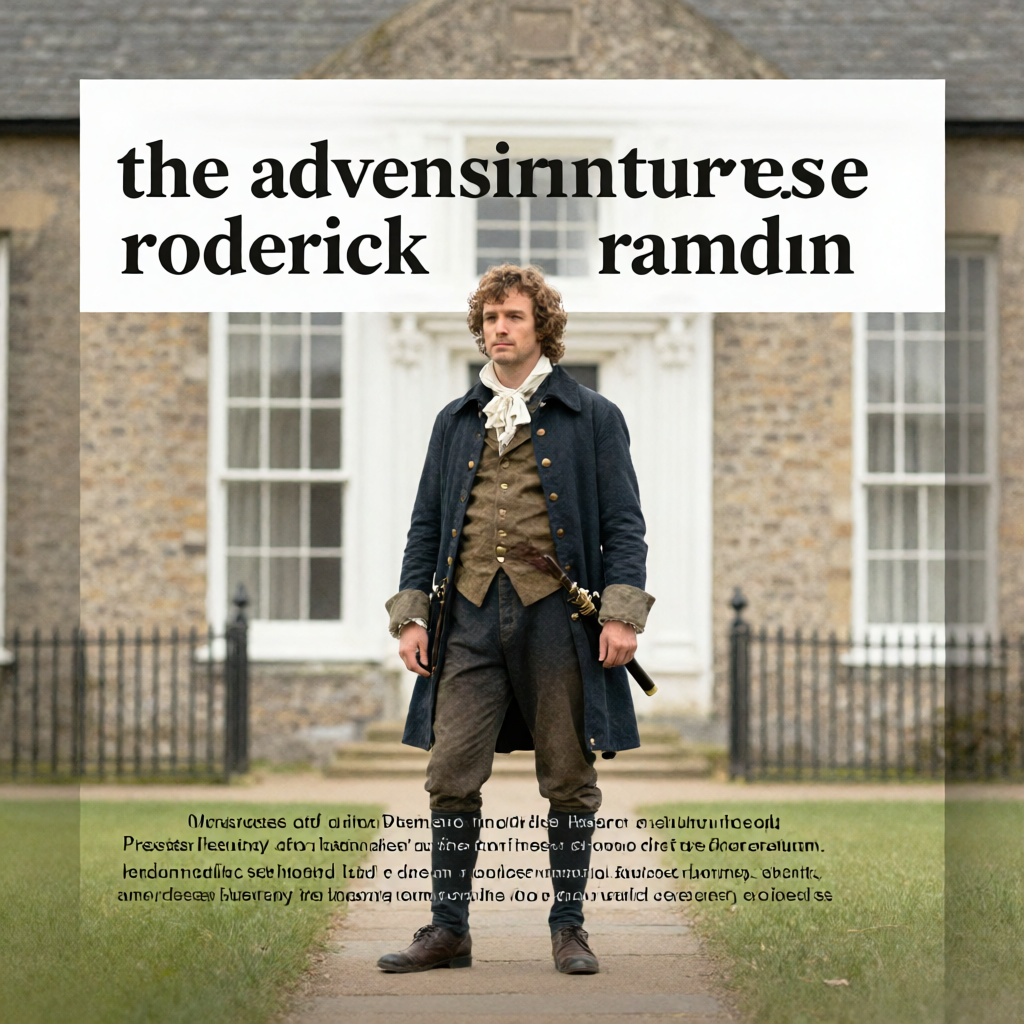
Schoolmaster’s Classical Hospitality
The schoolmaster regales his guests with advice and recountings of his own life while his daughter prepares a fowl for supper. They fare sumptuously and drink several bottles of his fine ale, discussing literature and the world. The host assures them they will overtake the London waggon by noon the next day and that sufficient room awaits. Strap, admiring the old man’s benevolence, expects their lodging and entertainment will be complimentary—though Roderick, more worldly, reserves judgment until morning.
Lodging Bill Dispute with the Schoolmaster
Morning brings a disappointing reckoning: eight shillings and seven pence. Strap protests the seemingly extortionate bill, but the schoolmaster merely consults his slate and confirms the amount. The itemized bill includes bread, beer, a fowl with sausages, four bottles of quadrimum, fire and tobacco, lodging, and breakfast. When Strap demands a reduction, the daughter slips out and returns with two stout fellows posing as morning patrons but clearly intended to intimidate. Roderick pays the full amount, and departing Strap quotes Horace at the schoolmaster—“Semper avarus eget” (the miser is always wanting)—to which the pedant replies with a malicious smile: “Animum rege, qui, nisi paret, imperat” (rule your passions, for unless they obey, they command).
KAPITEL XI.
The narrator and his companion Strap, having suffered financial losses, join three other passengers—Miss Jenny, an elderly usurer, and Captain Weazel with his wife—in a waggon. The journey is marked by Strap’s grievances, the captain’s bluster, and a heated dispute over accommodations. After supper at an inn, a midnight mistake leads Strap into the captain’s bedchamber, where a series of comic misunderstandings involving a chamberpot, a false accusation of rape, and violent confrontations among the travelers eventually give way to reconciliation and sleep.
Strap’s Lamentations
Strap reproaches the narrator for squandering money, recalling his own hardships as a barber’s boy and boasting that he could have fought the debt collectors. When the narrator offers to bear all expenses alone, Strap is offended, insisting that though he is poor, he has the soul to spend like a gentleman.
We Descry the Waggon
After walking all day at a fast pace, the narrator and Strap sight the waggon about a quarter of a mile ahead. Overcome with weariness, they bargain with the driver Joey to ride the remaining distance for a shilling.
The Captain’s Tremendous Voice
As Strap climbs into the waggon, a tremendous voice thunders, “God’s fury! there shall no passengers come here,” freezing both Strap and the narrator with terror.
Strap’s Terrified Retreat
Terrified by the roar, Strap descends from the waggon with great speed, his face as white as paper, and refuses to re-enter despite Joey’s mocking encouragement.
A Jolt of the Carriage
The narrator enters the dark waggon and takes an empty seat on the straw. Strap follows with the baggage, but a sudden jolt pitches him directly onto the captain’s stomach.
The Waggon Discourse
Inside the waggon, the passengers converse in the dark. The captain and his wife lament traveling in such humble conveyance, while Miss Jenny teases them for their affectations and flirts with the old usurer, who responds with a feeble, coughing laugh.
Arrival at the Inn
Upon reaching the inn, the passengers alight from the waggon, giving the narrator his first clear view of his fellow travelers.
Miss Jenny Described
Miss Jenny is a brisk, airy girl of twenty, wearing a silver-laced hat instead of a cap, a blue riding-suit trimmed with tarnished silver, and carrying a whip.
The Old Usurer Described
The old usurer is a limping, decrepit figure in a worsted nightcap and slouched hat, with hollow, gummy eyes and sharp, wrinkled features that meet like nutcrackers when he speaks. He leans on an ivory-headed cane and wears layers of tattered, filthy clothing.
Captain Weazel Described
Captain Weazel is revealed to be a small, thin man of forty with a withered baboon-like face, long queue, and disproportionately long legs. Dressed in a bearskin frock, scarlet breeches, and worsted stockings, he carries a sword nearly as long as himself and resembles a spider or grasshopper standing erect.
The original text of this work is in the public domain. This page focuses on a guided summary article, reading notes, selected quotes, and visual learning materials for educational purposes.