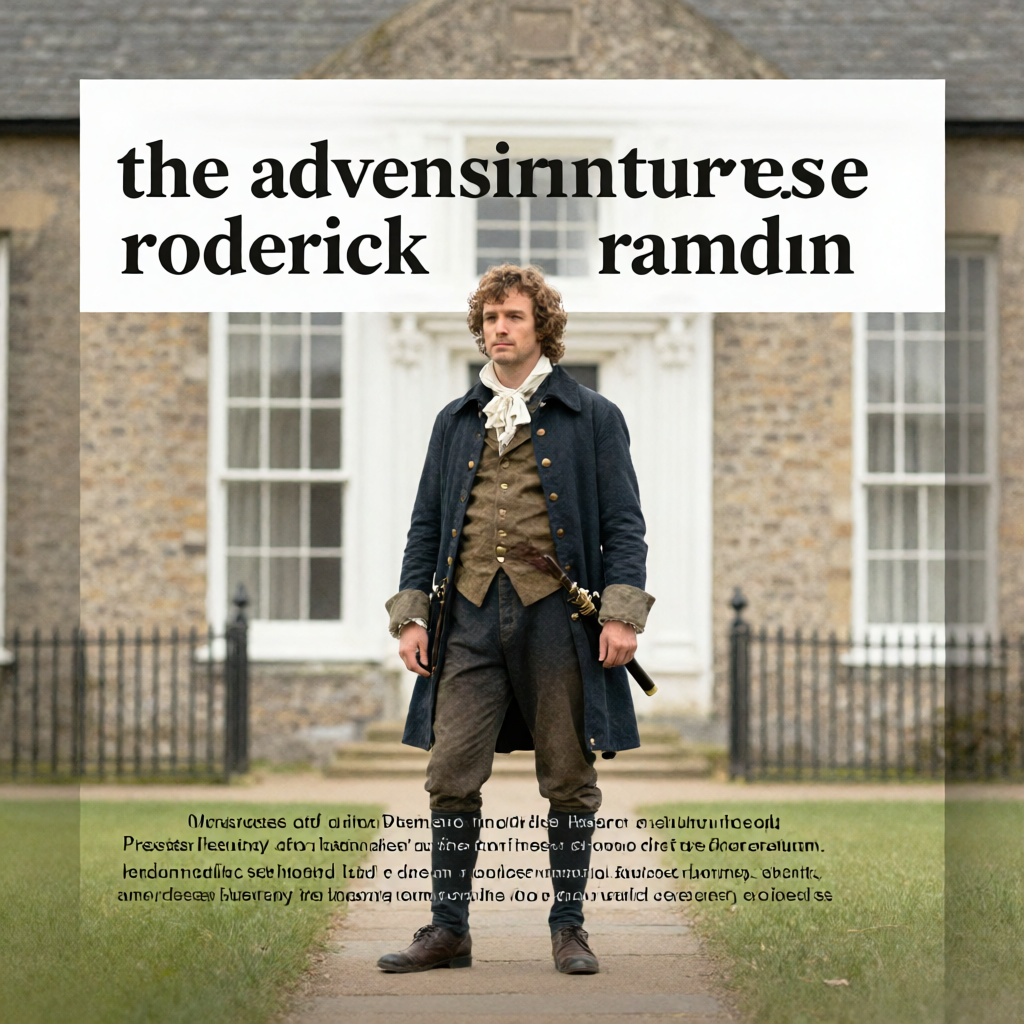
Discovering Jackson at the Tavern
The narrator searches for Jackson across London for several days with no success. One day, when he is extremely hungry and drawn by the smell of food from a basement cooking cellar, he goes down for a twopenny portion of beef, only to find Jackson dining there with a footman. Jackson greets him warmly, says he intended to visit the narrator’s lodgings that afternoon, and apologizes for missing their appointment. The narrator, pleased by the warm welcome and apology, forgets his anger, sits down to eat, and hopes to both recover his five shillings and get the loan Jackson previously promised to help him pay his examination fees.
Jackson’s Secret Engagement
After finishing their meal, Jackson leaves the footman and goes with the narrator to a nearby ale house. He admits his behavior looks bad, but claims he missed the appointment because he received a mandatory summons from a wealthy woman he is secretly engaged to marry, who has a £5,000 fortune plus additional financial expectations. He says he does not know what the woman sees in him, but he does not want to miss such a rare good opportunity. He explains the footman he was dining with introduced him to the woman’s maid, who is the footman’s mistress, and Jackson has given them both money over time. He tells the narrator the wedding date is already set, and shows him a letter from his fiancée to prove his claims.
The Absurd Billet-Doux
Jackson shares the love letter from his fiancée, which is written in extremely broken, nonsensical English. The narrator says he cannot determine if the letter is sublime or not, as it is entirely beyond his comprehension, and Jackson laughs, calling the letter both tender and sublime, and praising his fiancée as a divine creature who can recite all English tragedies and loves theater so much she has taken lodgings near a theater to be close to the stage. Jackson then asks the narrator’s advice on whether he should buy a government post to rise in social status or use his wife’s fortune to buy land and retire to the country immediately after the wedding. He also mentions he had planned to visit France before settling down, and wants to take his wife with him on the trip.
A Scheme to Pawn the Shirts
Jackson tells the narrator the only obstacle to the wedding is a lack of ready cash: his lender has left town, he missed his pay in Broad Street because he was detained with his fiancée, and his next pay is coming in Chatham the following week, to be collected by a friend he commissioned there. He says he has many rivals who would take advantage of any delay, so he cannot wait even a few days for the money. He asks the narrator if he knows anyone who would lend him a small sum, and when the narrator says he does not, Jackson notices the narrator’s fine linen shirt and asks how many of similar quality he owns. The narrator says he has six ruffled and six plain shirts of that quality, and Jackson claims no gentleman needs more than four, then proposes pawning half of the narrator’s shirts to raise the cash he needs, calculating the pawn value would come to £3 4s, which would be enough. The narrator refuses, demanding Jackson first pay back the crown he owes him before discussing pawning his shirts.
Pawning Jackson’s Hanger
Jackson swears he only has one shilling in his pocket, but will pay the narrator back from the money raised by pawning the shirts. The narrator refuses to pawn any of his shirts, and suggests Jackson pawn his own hanger (sword) instead to raise the money. Jackson initially refuses, saying he cannot appear in public without his hanger, but when the narrator remains inflexible about the shirts, he unbuckles his hanger, shows the pawnbroker’s three blue ball mark, and asks the narrator to pawn it for two guineas. The narrator goes to the pawnbroker, who recognizes the hanger as one he has held before for 30 shillings, but agrees to lend two guineas since he believes the owner will redeem it. The narrator brings the money back to Jackson, and gives him 37 shillings, keeping the remaining five shillings for himself as repayment of the crown Jackson owed him.
The original text of this work is in the public domain. This page focuses on a guided summary article, reading notes, selected quotes, and visual learning materials for educational purposes.