The Piano Performance
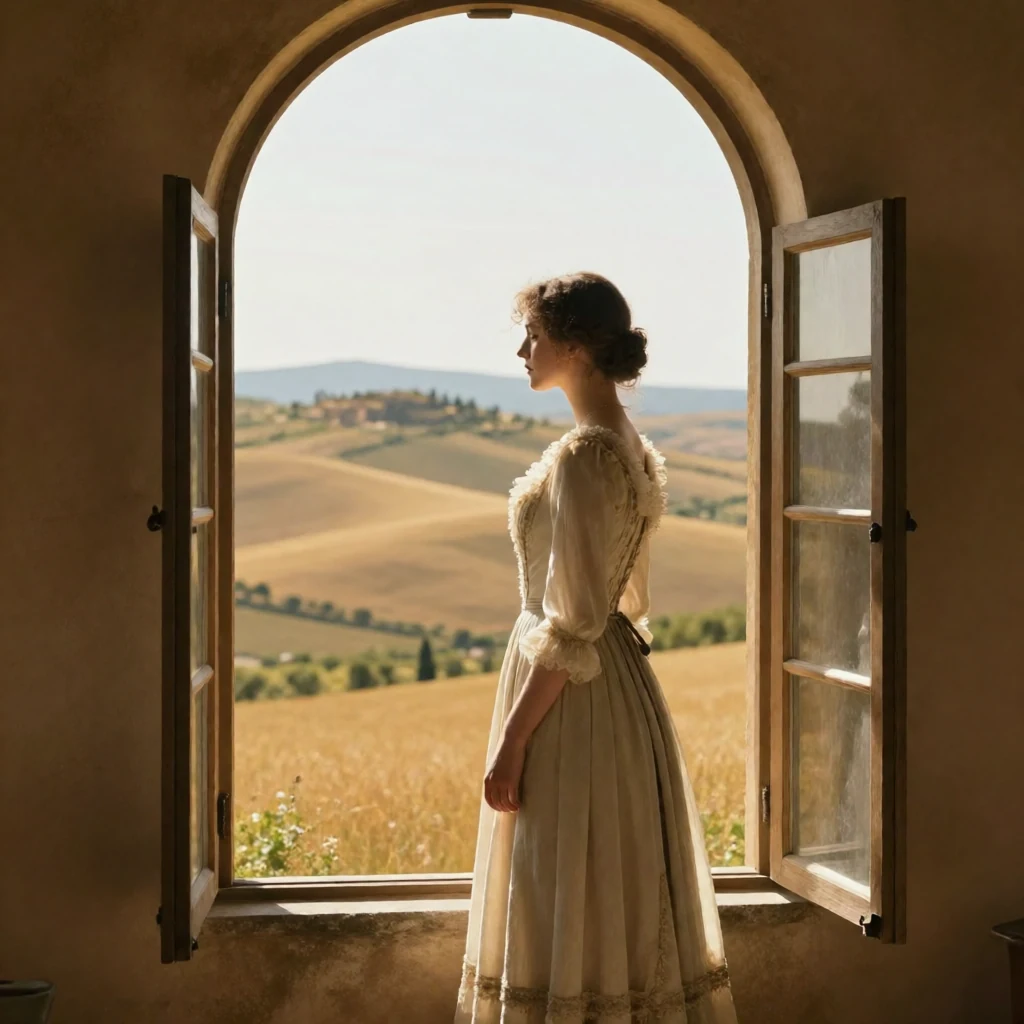
The dinner guests request that Lucy play, and she performs Schumann’s works. When Cecil calls for Beethoven afterward, she shakes her head and returns to Schumann. The melody rises, “unprofitably magical,” breaks, and resumes in fragments that never progress smoothly “from the cradle to the grave.” The sadness of incompleteness—the sadness that characterizes life but should never appear in art—throbs through the disjointed phrases and affects the audience’s nerves. She does not play as she once did on the little draped piano at the Bertolini, and Mr. Beebe is not present to pass his earlier judgment that “too much Schumann.” After the guests depart, Mrs. Vyse and Cecil discuss the evening. Mrs. Vyse observes that Lucy is “becoming wonderful” and specifically notes that she is “purging off the Honeychurch taint”—the country family’s charming but unfashionable habits of mentioning servants and asking about recipes. Cecil defends Lucy’s musical choices, declaring she was right to play Schumann rather than Beethoven. He determines their future children will receive an education combining “honest country folks” for freshness, Italy for subtlety, and only then London for refinement, though he catches himself, remembering he received a London education himself.
Lucy’s Nightmare
As Mrs. Vyse prepares for bed, a cry of nightmare rings from Lucy’s room. Mrs. Vyse goes to her, finding the girl sitting upright, hand pressed to her cheek. Lucy apologizes and attributes the disturbance to “dreams.” Mrs. Vyse, intending kindness, shares that she and Cecil had been discussing Lucy favorably—he admires her more than ever, she reports. Lucy reciprocates the kiss while maintaining her hand over one cheek. Mrs. Vyse retreats to bed, Cecil continues sleeping undisturbed, and darkness envelops the flat. The nightmare remains unexplained but seems connected to the secret Lucy cannot share, the weight of proportion lost, and the question of whether her engagement will survive the truth about George Emerson.
The original text of this work is in the public domain. This page focuses on a guided summary article, reading notes, selected quotes, and visual learning materials for educational purposes.