Reading Notes: Cranford by Elizabeth Cleghorn Gaskell
Overview
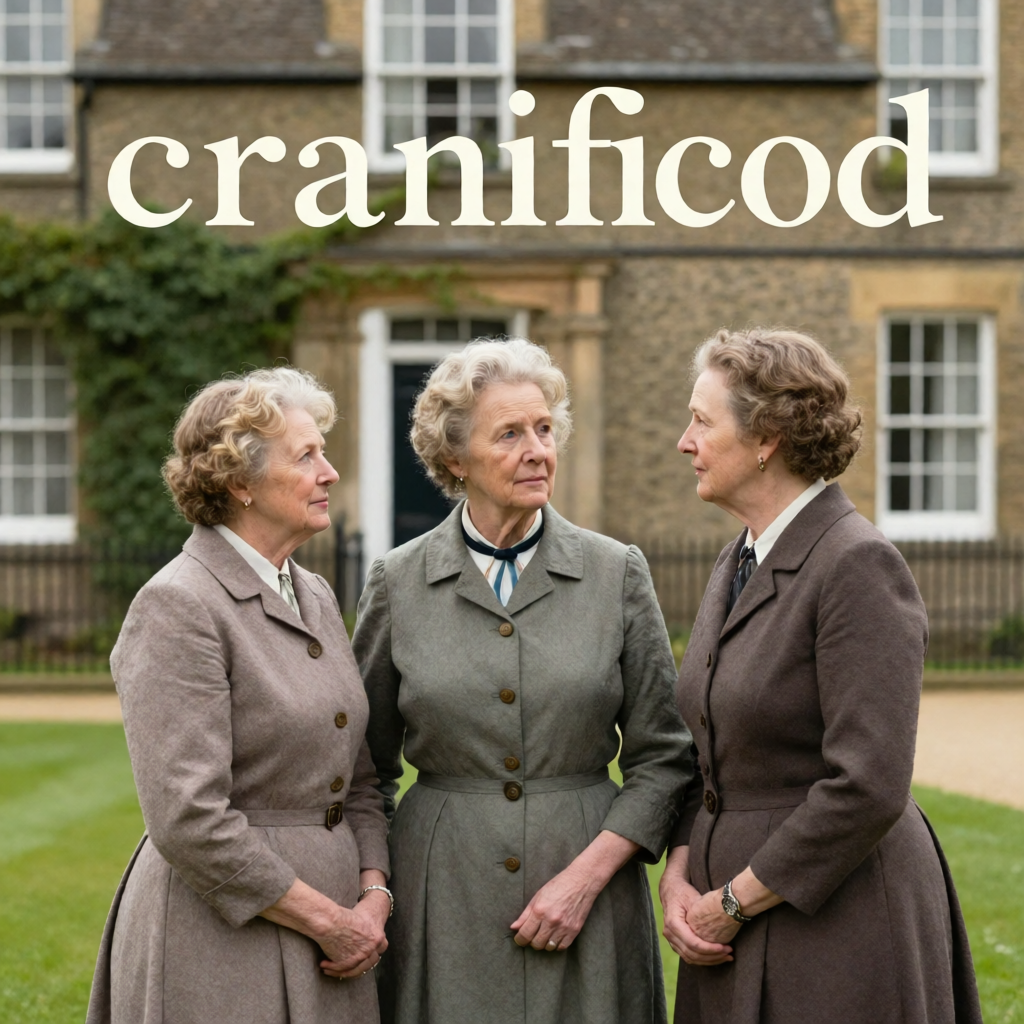
Cranford, published in 1853, is an episodic novel by Elizabeth Gaskell set in a small English country town. The work affectionately portrays a society of elderly women navigating genteel poverty and rigid social codes in a world slowly changing around them. Through the eyes of visitor Mary Smith, readers encounter the “Amazons” of Cranford—widows and spinsters maintaining appearances through “elegant economy” while resisting the industrial age creeping beyond their boundaries.
Major Themes
Society and Self-Preservation
Cranford belongs entirely to its women. Any man settling in the town seems to vanish—whether frightened away by the female-dominated social gatherings or occupied elsewhere in business. The ladies govern their domain with remarkable efficiency: maintaining immaculate gardens, managing household staff, dispensing opinions on literature and politics, and showing tender concern for one another in times of distress.
Concealed Poverty and Elegant Economy
Beneath Cranford’s genteel surface, many gentlefolk struggle financially. Like the Spartans, they conceal their difficulties “under a smiling face.” Money remains an unspoken subject, tainted by associations with commerce and trade; though some may be poor, all claim aristocratic status. Economy in Cranford is never merely economical—it is always “elegant.” What they cannot afford simply becomes unfashionable by Cranford’s standards.
Social Customs and Visiting Rules
The Cranford ladies observe elaborate regulations for social calls. Visiting hours are strictly limited to between twelve and three in the afternoon. After receiving a call, one must return it within three days, and never stay longer than a quarter of an hour. These rigid customs create a social dance where every movement is measured and every visit follows protocol.
Key Characters
Captain Brown
A half-pay army officer employed by the neighboring railroad. He commits the unforgivable sin of openly discussing his poverty, speaking of it “in the public street! in a loud military voice!” Yet Captain Brown remains oblivious to the coldness he inspires. His masculine common sense and facility in solving domestic problems gradually elevates him to unexpected authority among the Cranford ladies. He dies heroically at the railway station, struck by a train while saving a child who had wandered onto the tracks.
The Brown Daughters
Miss Brown, the Captain’s eldest, appears almost as old as her father, her face bearing the careworn expression of one whose youth’s gaiety faded long ago. She suffers from a painful, lingering illness that makes her irritable and accusatory toward herself for being a burden. Miss Jessie, ten years younger, possesses a round, dimpled face with large blue wondering eyes, an unformed snub nose, and red dewy lips framed by rows of little curls. There is something permanently childlike in her appearance, though she must be past thirty.
The Jenkyns Sisters
Miss Jenkyns, daughter of a deceased rector, considers herself literary on the strength of manuscript sermons and a divinity library. She cannot resist challenging contemporary literature, pronouncing Boz “not by any means equal to Dr Johnson.” Miss Matty, more gentle and tender, is the narrator’s particular friend. Deborah, who died before the narrative begins, remains a presence through her letters and through Miss Matty’s recollections.
Peter Jenkyns
The brother who went missing years ago after a public humiliation drove him to flee and enlist in the Navy. His fate becomes a mystery the narrator investigates, eventually connecting him to the “Aga Jenkyns of Chunderabaddad.” Peter returns from India as a wealthy man, having been taken prisoner at Rangoon, and reunites with his sister after decades of separation.
Central Plot Threads
The Literary Dispute
Captain Brown commits social suicide by mentioning “The Pickwick Papers” during a card party. Miss Jenkyns retaliates by fetching “Rasselas” and reading aloud in “high-pitched, majestic voice,” then pronounces Dr. Johnson justified as the superior fiction writer. When she declares publishing in numbers “vulgar and below the dignity of literature,” the Captain quietly asks how the “Rambler” was published—but she does not hear him. He insults her by calling Johnson’s style “pompous.”
Miss Matty’s Lost Love
Thomas Holbrook, a yeoman farmer, once offered for Miss Matty’s hand long ago. Miss Matty was willing enough to accept him, but her sister Deborah and the rector father discouraged the match as beneath her station. After his refusal, Holbrook rarely visited Cranford again. Miss Matty never speaks of this intimate acquaintance, “having shut it up close in her heart after receiving so little sympathy in her early love.” She dies knowing she might have lived an entirely different life.
The Bank Failure
The Town and County Bank stops payment, reducing Miss Matty to poverty. She calculates that she will lose one hundred and forty-nine pounds thirteen shillings and fourpence per year, leaving her with only about thirteen pounds annually. She expresses grief not for her own sake but for how her mother would have grieved to know she had come down in the world.
Community Response
The ladies of Cranford rally around Miss Matty following her financial ruin. They assemble at Miss Pole’s drawing room where each lady writes down and seals the sum she can give annually. Mrs Forrester, who lives on less than a hundred pounds a year, contributes a twentieth of her entire income. Mrs Fitz-Adam offers not only her own contribution but also her brother’s medical services free of charge. The narrator’s father arranges practical solutions: Martha and Jem are to be married quickly and remain in Miss Matty’s house, the ladies’ contributions cover most of the rent, and Miss Matty herself earns additional income by selling tea from her dining parlour.
Narrative Techniques
Gaskell employs gentle satire and compassionate observation. The narrator Mary Smith serves as both participant and commentator, observing the small dramas of provincial life with warmth and wit. The episodic structure allows for deep character studies while the letters and reminiscences provide historical depth.
The novel moves from comedy—Mrs Jamieson’s sedan chair, the elaborate visiting rituals, Miss Matty’s candle economies—to profound tragedy and back again. Gaskell never condescends to her characters; their pretensions are understood as survival strategies born of genuine vulnerability.
Central Insight
What distinguishes Cranford is not its absurdity but its kindness. The ladies who gossip and scheme and exclude also weep for one another’s losses and open their purses in secret. Miss Matty’s unselfishness calls out the same good qualities in others. People feel ashamed of presuming on her good faith as they would have done on that of a child.
The novel concludes with reconciliation restored to Cranford society, old feuds mended, and the Jenkyns siblings reunited. All in Cranford love Miss Matty, and the narrator reflects that they seem to be better people when she is near them. This is perhaps the truest measure of a community: not that it avoids folly, but that it finds its way back to grace.