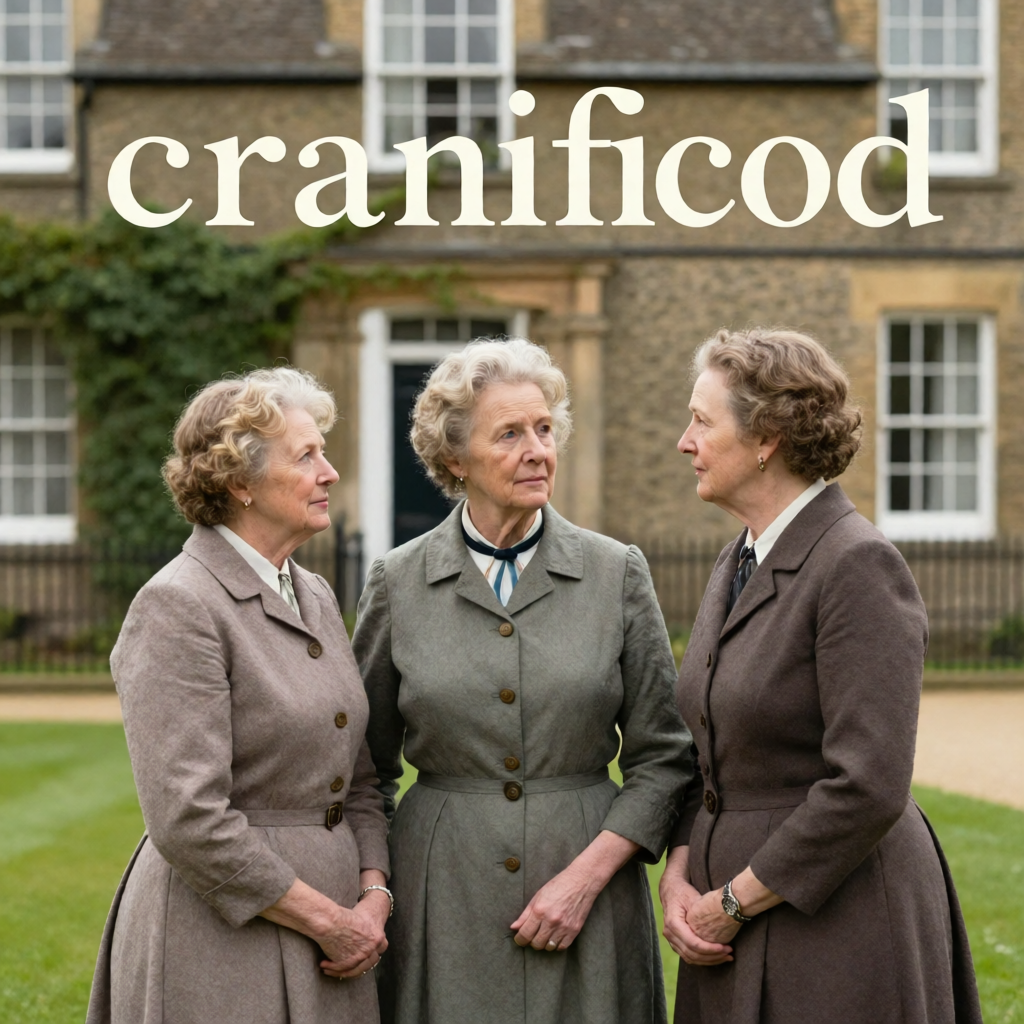
Cranford
Cranford by Gaskell, Elizabeth Cleghorn unfolds through 16 chapters. This chapter introduces the town of Cranford and its unique society, where women dominate all aspects of social life while men mysteriously fade away. The narrative follows several interconnected themes: the social customs of visiting, the concealed poverty masked by aristocratic pretense, and the arrival of Captain Brown—a man who challenges Cranford's conventions by openly acknowledging his financial circumstances. The chapter culminates in a memorable literary dispute at a card party, where Captain Brown's defense of contemporary literature clashes with Miss Jenkyns's devotion to Dr. Johnson's classical style. The narrator's extended stay in Cranford reveals the daily lives of the Brown family, particularly Captain Brown, whose threadbare military coat and dark wig represent the remnants of his former smartness, and whose quiet acts of kindness—such as carrying an old woman's dinner home from the bakehouse—were witnessed and discussed by the town's gossiping ladies. Miss Brown is revealed to be suffering from a painful, lingering illness that makes her irritable and accusatory toward herself for being a burden on her father and sister, yet both Miss Jessie and Captain Brown tend to her with what the narrator describes as more than placidity, with absolute tenderness. The Captain's devotion to Dickens over Dr. Johnson creates an ongoing source of tension with Miss Jenkyns, whose literary preferences he has offended with his open admiration for Mr Boz, yet he nonetheless offers her a handmade wooden fire-shovel after hearing her complain about the grating sound of an iron one. The chapter culminates in tragedy when Captain Brown dies at the railway station, struck by a train while saving a child who had wandered onto the tracks, his final act of heroism performed with characteristic bravery, and the household must then face the additional sorrow of Miss Brown's imminent death, which the family learns of in the days following the funeral. Miss Brown's final moments are spent in contrition for her selfishness and yearning for her father's forgiveness, a reconciliation that Miss Jessie reveals to be impossible since her father has already passed away; she dies peacefully after Miss Jessie's stoic acceptance of this truth. The household must then reckon with practical matters as Miss Jessie, possessing only twenty pounds annually, cannot maintain the home and proposes earning money through sewing, nursing, or housekeeping, though Miss Jenkyns hotly declares such occupations beneath her station as a captain's daughter. The chapter takes a dramatic turn when Major Gordon arrives at the house, and through Miss Jenkyns's whispered revelations, the narrator learns of his romantic history with Miss Jessie: he had loved her since meeting her as a blooming girl of eighteen, offered marriage upon inheriting a Scottish estate, and been refused because she could not abandon her dying sister and grieving father, which he wrongly interpreted as coldness and responded to with anger before traveling abroad. Years afterward, the aged Miss Jenkyns, now frail and nearly blind, receives little Flora Gordon in her home, where she rambles fondly about her girlhood performance in "Old Poz" while Flora sneakily reads "A Christmas Carol" instead of the improving but incomprehensible essays of The Rambler that Miss Jenkyns so admires. This chapter chronicles the narrator's extended visit to Cranford following Miss Jenkyns's death, encompassing stays with both Miss Pole and Miss Matilda. The narrative weaves together domestic concerns about servants, preparations for visiting guests, and tender reminiscences about Miss Matilda's rejected suitor from decades past. The story culminates in an emotionally charged reunion between Miss Matilda and the man she once loved but never married.
CHAPTER I.
This chapter introduces the town of Cranford and its unique society, where women dominate all aspects of social life while men mysteriously fade away. The narrative follows several interconnected themes: the social customs of visiting, the concealed poverty masked by aristocratic pretense, and the arrival of Captain Brown—a man who challenges Cranford's conventions by openly acknowledging his financial circumstances. The chapter culminates in a memorable literary dispute at a card party, where Captain Brown's defense of contemporary literature clashes with Miss Jenkyns's devotion to Dr. Johnson's classical style.
The Amazons of Cranford
Cranford belongs entirely to its women. Any man settling in the town seems to vanish—whether frightened away by the female-dominated social gatherings, or occupied elsewhere in business. The ladies of Cranford govern their domain with remarkable efficiency: maintaining immaculate gardens, managing household staff, dispensing opinions on literature and politics, and showing tender concern for one another in times of distress. Although they know each other's affairs intimately, they remain indifferent to each other's opinions. Their dress follows no passing fashion, for as they say, "What does it signify how we dress here at Cranford, where everybody knows us?" Their independence extends even to their umbrellas—a magnificent red silk specimen becomes something of a local landmark, though the little spinster who carries it is the last survivor of a large family. The society maintains its equilibrium through occasional petty quarrels, "just enough to prevent the even tenor of their lives from becoming too flat."
Visiting Rules
The Cranford ladies observe elaborate regulations for social calls, announced with the solemnity of ancient Manx laws. Visiting hours are strictly limited to between twelve and three in the afternoon. After receiving a call, one must return it within three days, and never stay longer than a quarter of an hour. Young visitors are instructed to watch the time carefully, "not allowing yourself to forget it in conversation." Since everyone adheres to these rules, no absorbing subject can ever be discussed; the ladies confine themselves to "short sentences of small talk" and depart with punctual precision. These rigid customs create a social dance where every movement is measured and every visit follows protocol, ensuring that intimacy never develops beyond the prescribed boundaries.
Concealed Poverty
Beneath Cranford's genteel surface, many gentlefolk struggle financially. Like the Spartans, they conceal their difficulties "under a smiling face." Money remains an unspoken subject, tainted by associations with commerce and trade; though some may be poor, all claim aristocratic status. This tacit agreement creates a protective fiction: when Mrs. Forrester hosts a party in her cramped dwelling, the appearance of a tea-tray beneath the sofa is accepted without comment. The ladies pretend not to know that their hostess has only a charity-school maiden for assistance, that she herself has spent the morning baking cakes, or that the refreshments are humble substitutes for grandeur. Yet this shared pretense fosters genuine goodwill; the Cranfordians overlook deficiencies and support one another through hard times, creating a community bound by mutual understanding and kindness.
Early Hours
Cranford keeps early hours by necessity and by principle. The ladies clatter home in their pattens by nine o'clock at night, guided by a lantern-bearer, and the entire town sleeps soundly by half-past ten. This discipline extends from their dress—washing materials preferred to summer silks, simply because they are practical—to their social economy. Early rising and retiring becomes both an economic necessity and a point of pride, distinguishing Cranford's gentlefolk from the vulgar nouveau riche who waste money on late hours and extravagant entertainments. The rhythm of life in Cranford follows nature's clock rather than fashion's demands.
Elegant Economy
Economy in Cranford is never merely economical—it is always "elegant." Spending money openly marks one as "vulgar and ostentatious," a characterization the Cranford ladies avoid with careful rationalization. They walk to parties because the night is fine or the air refreshing, never because sedan-chairs cost too much. They wear prints because they prefer washing materials, never because silks exceed their means. This philosophy creates a peaceful satisfaction; what they cannot afford simply becomes unfashionable by Cranford's standards. The Honourable Mrs Jamieson, sister-in-law to the late Earl of Glenmire, exemplifies this "elegant economy" by serving only wafer bread-and-butter and sponge-biscuits at her evening entertainments. The sour-grapeism that dismisses expense as vulgarity pervades every aspect of Cranford life, allowing gentlefolk to maintain dignity despite modest circumstances.
Captain Brown
The arrival of Captain Brown—a half-pay army officer employed by the neighboring railroad—throws Cranford's social order into turmoil. He commits the unforgivable sin of openly discussing his poverty, speaking of it "in the public street! in a loud military voice!" where silence on such matters is golden. The ladies resolve to send him to Coventry, viewing his very presence as an invasion of their feminine territories. Yet Captain Brown remains oblivious to the coldness he inspires. He visits despite the taboo, climbs stairs "nothing daunted," speaks "in a voice too large for the room," and jokes with the easy manner of a "tame man about the house." His frankness gradually wins respect. When Miss Betsy Barker's precious Alderney cow falls into a lime-pit and loses her hair, Captain Brown's practical advice—"Get her a flannel waistcoat and flannel drawers"—proves so valuable that the entire town adopts it. His masculine common sense and facility in solving domestic problems gradually elevates him to unexpected authority among the Cranford ladies.
The Brown Daughters
Captain Brown lives with his two daughters in a small house on Cranford's outskirts. Miss Brown, his eldest, appears almost as old as her father, her face bearing the careworn expression of one whose youth's gaiety faded long ago. Plain and hard-featured even in youth, she looks perpetually pained and unwell, though she suffers in ways invisible to casual observers. Miss Jessie, ten years younger, possesses a round, dimpled face with large blue wondering eyes, an unformed snub nose, and red dewy lips framed by rows of little curls. There is something permanently childlike in her appearance, though she must be past thirty. Though tactless and inclined to mention her shopkeeper uncle in Edinburgh, she charms everyone she meets. A slight difference in the sisters' attire reveals that Jessie's wardrobe costs two pounds per annum more—a significant sum in Captain Brown's modest budget. Despite their father's poverty, the Brown daughters move in Cranford society with the jaunty confidence their father instilled in them.
Church at Cranford
At Cranford Church, the narrator first sees the Brown family together. Captain Brown holds his double eye-glass aloft during the Morning Hymn, then lifts his head erect and sings out joyfully in a sonorous bass that drowns the elderly clerk's piping voice. The clerk quivers higher in consequence, aggrieved by the Captain's musical dominance. On departing, the Captain shows remarkable gallantry: he helps Miss Brown unfurl her umbrella, relieves her of her prayer-book, and waits patiently while she gathers her gown to navigate the wet roads. His brisk attentiveness to both daughters marks him as a devoted father and a gentleman of old-fashioned courtesy. The congregation watches, perhaps wondering how this military man will fit into their feminine world—yet unable to deny that his manner carries a certain dignified grace.
The Card Party
Miss Jenkyns hosts a party in the narrator's honor, inviting Captain Brown and his daughters despite previous resolutions against such social contact. Card-tables appear by daylight, candles are lit, and the neat maid receives final instructions. The party is a solemn festivity, making the ladies feel "gravely elated" in their best dresses. When Captain Brown arrives, the atmosphere transforms: "Ruffled brows are smoothed, sharp voices lowered." He quietly assumes his masculine role, attending to everyone's wants, lessening the maid's labor, and playing for threepenny points with equal gravity as if they were pounds. Miss Jessie, who cannot play cards, charms the sitters-out with conversation and sings "Jock of Hazeldean" to Miss Jenkyns's time-keeping. Meanwhile, Miss Brown looks ill and depressed, though her father keeps a watchful eye upon her suffering. The tea-trays bear delicate egg-shell china and old-fashioned silver, but the refreshments remain slight—consistent with elegant economy.
The Literary Dispute
Captain Brown commits social suicide by mentioning "The Pickwick Papers" during the card party. Miss Jenkyns, daughter of a deceased rector who considers herself literary on the strength of manuscript sermons and a divinity library, cannot resist challenging this lesser work. She pronounces Boz "not by any means equal to Dr Johnson," though she allows the author is young and might improve. The Captain replies that Pickwick is "quite a different sort of thing," and reads aloud the famous "swarry" scene. Some ladies laugh heartily, but Miss Jenkyns sits in "patient gravity." She retaliates by fetching "Rasselas" and reading aloud one of its conversations in "high-pitched, majestic voice," then pronounces Dr. Johnson justified as the superior fiction writer. When she declares publishing in numbers "vulgar and below the dignity of literature," the Captain quietly asks how the "Rambler" was published—but she does not hear him. He insults her by calling Johnson's style "pompous," and when she replies with marked emphasis, "I prefer Dr Johnson to Mr Boz," he is reportedly heard to mutter "D—n Dr Johnson!" The next morning, Miss Jenkyns vents her displeasure on Miss Jessie's dimples, revealing that the literary war has touched even the innocent daughters.
CHAPTER II.
The narrator's extended stay in Cranford reveals the daily lives of the Brown family, particularly Captain Brown, whose threadbare military coat and dark wig represent the remnants of his former smartness, and whose quiet acts of kindness—such as carrying an old woman's dinner home from the bakehouse—were witnessed and discussed by the town's gossiping ladies. Miss Brown is revealed to be suffering from a painful, lingering illness that makes her irritable and accusatory toward herself for being a burden on her father and sister, yet both Miss Jessie and Captain Brown tend to her with what the narrator describes as more than placidity, with absolute tenderness. The Captain's devotion to Dickens over Dr. Johnson creates an ongoing source of tension with Miss Jenkyns, whose literary preferences he has offended with his open admiration for Mr Boz, yet he nonetheless offers her a handmade wooden fire-shovel after hearing her complain about the grating sound of an iron one. The chapter culminates in tragedy when Captain Brown dies at the railway station, struck by a train while saving a child who had wandered onto the tracks, his final act of heroism performed with characteristic bravery, and the household must then face the additional sorrow of Miss Brown's imminent death, which the family learns of in the days following the funeral. Miss Brown's final moments are spent in contrition for her selfishness and yearning for her father's forgiveness, a reconciliation that Miss Jessie reveals to be impossible since her father has already passed away; she dies peacefully after Miss Jessie's stoic acceptance of this truth. The household must then reckon with practical matters as Miss Jessie, possessing only twenty pounds annually, cannot maintain the home and proposes earning money through sewing, nursing, or housekeeping, though Miss Jenkyns hotly declares such occupations beneath her station as a captain's daughter. The chapter takes a dramatic turn when Major Gordon arrives at the house, and through Miss Jenkyns's whispered revelations, the narrator learns of his romantic history with Miss Jessie: he had loved her since meeting her as a blooming girl of eighteen, offered marriage upon inheriting a Scottish estate, and been refused because she could not abandon her dying sister and grieving father, which he wrongly interpreted as coldness and responded to with anger before traveling abroad. Years afterward, the aged Miss Jenkyns, now frail and nearly blind, receives little Flora Gordon in her home, where she rambles fondly about her girlhood performance in "Old Poz" while Flora sneakily reads "A Christmas Carol" instead of the improving but incomprehensible essays of The Rambler that Miss Jenkyns so admires.
CHAPTER II.
The narrator's extended stay in Cranford reveals the daily lives of the Brown family, particularly Captain Brown, whose threadbare military coat and dark wig represent the remnants of his former smartness, and whose quiet acts of kindness—such as carrying an old woman's dinner home from the bakehouse—were witnessed and discussed by the town's gossiping ladies. Miss Brown is revealed to be suffering from a painful, lingering illness that makes her irritable and accusatory toward herself for being a burden on her father and sister, yet both Miss Jessie and Captain Brown tend to her with what the narrator describes as more than placidity, with absolute tenderness. The Captain's devotion to Dickens over Dr. Johnson creates an ongoing source of tension with Miss Jenkyns, whose literary preferences he has offended with his open admiration for Mr Boz, yet he nonetheless offers her a handmade wooden fire-shovel after hearing her complain about the grating sound of an iron one. The chapter culminates in tragedy when Captain Brown dies at the railway station, struck by a train while saving a child who had wandered onto the tracks, his final act of heroism performed with characteristic bravery, and the household must then face the additional sorrow of Miss Brown's imminent death, which the family learns of in the days following the funeral.
The Captain
The chapter introduces Captain Brown, a central figure in Cranford society. Through the narrator's observations during an extended visit, we come to understand the Brown family's modest circumstances, which they openly acknowledge without shame. What stands out most remarkably is Captain Brown's inherent kindness, demonstrated through numerous small acts of generosity that he performs unconsciously. His military past is evident in his dress—a dark Brutus wig and padded coat—though these items have grown threadbare with time. He possesses infinite resourcefulness from his barrack experience and maintains a grave dignity in all his actions.
The Old Woman's Dinner
One memorable incident establishes Captain Brown's character among the Cranford ladies. On a slippery Sunday morning, he encountered a poor old woman returning from the bakehouse as he left church. Noticing her precarious footing, he relieved her of her burden of baked mutton and potatoes and escorted her safely home. This gesture was considered highly eccentric by Cranford society, and it was expected he would apologize for breaching propriety. When he failed to do so and appeared unchanged at church the following week, speaking loudly and confidently as usual, the ladies concluded he had simply forgotten the incident entirely—a testament to how naturally his kindness came to him.
Miss Brown's Illness
Miss Brown, the Captain's eldest daughter, suffers from a lingering, incurable illness that causes her great pain. Her nervous irritability, exacerbated by her disease, sometimes makes her difficult to bear, though she never means the harsh words she speaks. She carries guilt about being the reason her family must economize so strictly, wishing she could sacrifice for them instead. Miss Jessie, her younger sister, cares for her with extraordinary patience, often bearing crossness that is succeeded by bitter self-reproaches from Miss Brown. The father and Miss Jessie respond to her trials with more than mere placidity—with absolute tenderness—despite the demands her condition places on their resources and energy.
The Literary Dispute
A significant source of tension exists between Captain Brown and Miss Jenkyns, stemming from their literary preferences. Miss Jenkyns holds Dr. Johnson in highest esteem as a writer of light and agreeable fiction, while Captain Brown openly prefers the writings of Mr. Boz (Charles Dickens). This single difference of opinion creates an irreparable rift between them. Miss Jenkyns cannot resist making disparaging remarks about his literary taste, while Captain Brown demonstrates his preference by walking through the streets absorbed in his beloved books, occasionally startling her. Though he apologizes sincerely when he nearly collides with her, she admits she would have preferred he simply knocked her down if he must read such lowly literature.
The Peace Offering
Seeking reconciliation after the literary dispute, Captain Brown presents Miss Jenkyns with a wooden fire-shovel he has made himself, having heard her mention that the grating of an iron one annoyed her. She receives the gift with cool gratitude and thanks him formally, then privately instructs the narrator to store it away in the lumber-room. She apparently believes that no present from someone who prefers Mr. Boz to Dr. Johnson could be anything but jarring.
Lord Mauleverer's Visit
The narrative shifts through letters from correspondents describing events after the narrator's departure from Cranford. Lord Mauleverer, the Honorable Mrs. Jamieson's husband, visits Cranford specifically to see Captain Brown, with whom he was acquainted during military service. The Captain once saved his lordship's life during a dangerous episode near the Cape of Good Hope. Despite this distinguished connection, Captain Brown receives his guest without ostentation—the visitors stay at the Angel Hotel, and Miss Jessie's modest preparations include purchasing a leg of lamb. Lord Mauleverer sends game during winter but has since gone abroad, never apparently aware of the Browns' financial struggles.
The New Carpet
Upon the narrator's return to Cranford the following summer, the greatest event is Miss Jenkyns' purchase of a new carpet for the drawing-room. Protecting this carpet becomes a consuming occupation—Miss Jenkyns and the narrator spend hours rearranging newspapers to block sunbeams that threaten to fade different portions of the carpet. Before Miss Jenkyns hosts a party, they carefully construct paths of newspaper from the door to each chair, ensuring visitors can walk without defiling the pristine carpet with their shoes. This domestic anxiety stands in poignant contrast to the deeper matters occupying other characters' lives.
Captain Brown's Grief
Captain Brown's appearance reveals his mounting grief over his daughter's deteriorating condition. His once-deep bass voice now carries a quavering quality, his eyes look dim, and deep lines mark his face. He speaks of his daughter's suffering with manly, pious resignation, acknowledging both their efforts to alleviate her pain and the inevitability of her suffering. Twice he states that only God knows what Miss Jessie has been to their family, unable to continue speaking before departing hastily. The community's letters reveal that despite their denial of many comforts to fund the invalid's care, they never speak of these sacrifices. Miss Brown receives the finest medical attention available, and the poor people of Cranford secretly leave vegetables and provisions at their door.
The Railway Accident
One afternoon, alarming news spreads through Cranford's streets: Captain Brown has been killed in a railway accident. The carter who witnessed the tragedy describes how the Captain was deeply absorbed in reading a new book, waiting for the down train, when he noticed a small child wandering onto the tracks. He darted forward, caught up the child, and slipped beneath the approaching train. The child was thrown safely to its mother with only a shoulder injury, the last comfort the Captain would ever provide. Miss Jenkyns, overwhelmed with remorse for her past contempt of him, immediately goes to comfort his daughters.
The Funeral
The family prepares for Captain Brown's burial at the parish church. Miss Jessie's determination to follow the funeral procession to the grave cannot be altered by dissuasions, despite her need for solitude to grieve. Miss Jenkyns resolves to accompany her, declaring it neither proper nor human to allow her to go alone. Miss Jenkyns prepares by trimming a small black bonnet with black crape. At the funeral, she supports Miss Jessie with tender firmness, allowing her to weep freely. While Miss Jessie attends the burial, the narrator and Miss Matty remain with Miss Brown, finding her complaints wearying despite their sympathy. Miss Jessie returns from the funeral almost calm, as though she has gained new strength from the experience.
Miss Brown's Death
Miss Brown dies shortly after her father's funeral, though the family had hoped to spare her the shock of learning of his death. They had told her he was called away on urgent railway business. In her final days, she appears transformed—the complaining tone leaves both her voice and face, recalling the young, anxious head of household she once was after her mother's death. Miss Jessie, who has borne so much, finally has the opportunity to rest, and Miss Pole remains to care for her through the long night watches.
CHAPTER II.
Miss Brown's final moments are spent in contrition for her selfishness and yearning for her father's forgiveness, a reconciliation that Miss Jessie reveals to be impossible since her father has already passed away; she dies peacefully after Miss Jessie's stoic acceptance of this truth. The household must then reckon with practical matters as Miss Jessie, possessing only twenty pounds annually, cannot maintain the home and proposes earning money through sewing, nursing, or housekeeping, though Miss Jenkyns hotly declares such occupations beneath her station as a captain's daughter. The chapter takes a dramatic turn when Major Gordon arrives at the house, and through Miss Jenkyns's whispered revelations, the narrator learns of his romantic history with Miss Jessie: he had loved her since meeting her as a blooming girl of eighteen, offered marriage upon inheriting a Scottish estate, and been refused because she could not abandon her dying sister and grieving father, which he wrongly interpreted as coldness and responded to with anger before traveling abroad. Years afterward, the aged Miss Jenkyns, now frail and nearly blind, receives little Flora Gordon in her home, where she rambles fondly about her girlhood performance in "Old Poz" while Flora sneakily reads "A Christmas Carol" instead of the improving but incomprehensible essays of The Rambler that Miss Jenkyns so admires.
Mary Brown's Death
Mary Brown's final moments unfold with her consciousness fading between her sister and the narrator. She begs Jessie's forgiveness for years of selfishness, having allowed Jessie to sacrifice herself. Mary also expresses anguish over her estrangement from their father—longing for reconciliation before death. Jessie reveals that their father has already died, granting Mary peace. As Mary expires, she murmurs names of deceased family members and worries about Jessie's loneliness. Jessie, overcome with grief but resolute, declares her faith in God.
Miss Jessie's Future
Following Mary's burial, Miss Jenkyns insists Jessie stay at their home rather than return to an empty house that must be abandoned due to insufficient funds. Jessie possesses only twenty pounds annually plus interest from furniture sale proceeds. She proposes earning money through sewing, nursing, house management, or sales work—qualifications Miss Jenkyns dismisses with anger and talk of preserving her rank as a captain's daughter. Miss Jenkyns nurses Jessie back to health with elaborate arrowroot, then finds them weeping together over memories of better days. When Jessie catches the narrator leaving, Miss Jenkyns announces a mysterious caller who knew Jessie.
Major Gordon's Return
A well-dressed gentleman of forty arrives. Miss Jessie turns pale then red, recognizing him through his calling card. Major Gordon served with Captain Brown and fell in love with Jessie as a young woman, but his proposal years earlier was declined—she had prioritized caring for her dying sister. After their argument, Gordon traveled abroad, learning of Captain Brown's death through Galignani in Rome. Jessie accepts him, and Miss Jenkyns takes the narrator to the dining room while they reunite.
Miss Matty's Discovery
Miss Matty bursts in from an outing, distressed by seeing Gordon's arm around Jessie's waist. Miss Jenkyns sternly declares this entirely proper and sends her away. The episode shocks Matty, coming from her usually decorous sister.
Miss Jenkyns in Old Age
Years later, Miss Jenkyns lies frail and nearly blind on a sofa while young Flora Gordon reads to her. She recalls how Flora must have excellent reading material like The Rambler—far superior to the book that got Captain Brown killed, that peculiar book by Mr Boz called "Old Poz," in which she once acted as Lucy. She rambles coherently only in scattered moments while Flora secretly reads A Christmas Carol.
CHAPTER III.
This chapter chronicles the narrator's extended visit to Cranford following Miss Jenkyns's death, encompassing stays with both Miss Pole and Miss Matilda. The narrative weaves together domestic concerns about servants, preparations for visiting guests, and tender reminiscences about Miss Matilda's rejected suitor from decades past. The story culminates in an emotionally charged reunion between Miss Matilda and the man she once loved but never married.
Miss Matty's Greeting and the Name Change
Following Miss Jenkyns's death, the narrator receives letters from both Miss Pole and Miss Matty inviting visits. Upon arriving at Miss Matilda's house, the narrator finds her in tears from nervous anticipation of the call. The most poignant moment comes when Miss Matty, grasping the narrator's hand, requests to be called "Matilda" instead of the familiar "Matty"—explaining that her deceased sister did not like the intimate name, and now that Deborah is gone, Miss Matilda wishes to honor her memory in this small way. The narrator promises to comply, though efforts to use the formal name throughout Cranford prove largely unsuccessful.
Quiet Stay at Miss Pole's
The narrator's visit to Miss Pole proves uneventful, reflecting Cranford's social stagnation without Miss Jenkyns's leadership. The Honourable Mrs Jamieson, despite her precedence in the social hierarchy, lacks the energy to organize gatherings, leaving society without its usual entertainments. The visit provides ample opportunity for quiet companionship, with Miss Pole sharing old-world stories while the narrator occupies herself with plain sewing. One of these tales hints at a shadowy love affair from years past, foreshadowing revelations to come.
Servant Troubles at Miss Matilda's
Servant instability emerges as a persistent concern in Cranford's genteel society, where pretty servant-maids face constant temptation from handsome tradesmen required to visit the houses. Miss Matilda's maid Fanny becomes a particular source of anxiety; though forbidden to have "followers" by her engagement terms, Fanny's innocence regarding her flirtations troubles her mistress deeply. The narrator herself witnesses suspicious circumstances—a man's coat-tails disappearing into the scullery and a young man glimpsed behind the kitchen door at night—though she keeps these suspicions from Miss Matilda. Eventually Fanny must leave, and the narrator agrees to stay and train a new maid named Martha before departing.
Preparations for Major Jenkyns's Visit
News arrives that Major Jenkyns, Miss Matilda's cousin who spent twenty or thirty years in India, has returned to England and writes proposing to visit Cranford. Miss Matilda becomes frantic with worry about proper arrangements for a gentleman guest, lamenting that her late sister Deborah would have known exactly what to provide. She frets about razors, slippers, and coat-brushes for the dressing room, and how to know when to leave him to his wine after dinner. The narrator takes charge of coffee preparations and undertakes to instruct Martha in waiting duties, though Miss Matilda's constant interruptions muddle the training. The household prepares with fresh wine and anxious anticipation.
The Major's Visit
Major Jenkyns and his invalid wife arrive accompanied by their own servants—a Hindoo body-servant for the Major and an elderly English maid for his wife—though these attendants lodge at the inn. The visitors prove quiet and unpretending, though languid as East Indians presumably are. Martha stares openly at the turbaned Hindoo servant, and Miss Matilda afterward confesses he reminded her of Blue Beard. The visit proceeds satisfactorily and becomes a favorite topic of conversation for Miss Matilda, having created considerable excitement throughout Cranford. Even Mrs Jamieson stirs herself to offer advice on gentleman visitors, delivered in the wearied manner of a prophetess longing for rest.
The Love Affair of Long Ago
Miss Pole reveals to the narrator the story of Miss Matilda's rejected suitor, Thomas Holbrook, a yeoman farmer who once offered for her hand long ago. Holbrook, though living only four or five miles from Cranford on his own modest estate, possessed an honest pride that prevented him from pushing into squire ranks or accepting the title "Esquire." He rejected modern refinements, kept his house door shut without a knocker, spoke the country dialect freely, and read aloud with exceptional beauty and feeling. Miss Matilda was willing enough to accept him, but her sister Deborah and the rector father discouraged the match as beneath her station—the family being distantly connected to Sir Peter Arley, a connection Miss Jenkyns valued highly. After his refusal, Holbrook took his business to the neighboring market town and rarely visited Cranford again.
Reunion with Mr. Holbrook
During the narrator's extended visit to Miss Matilda, an unexpected reunion occurs when they encounter Mr. Holbrook in a shop where the narrator helps select colored silks. The tall, thin, Don Quixote-like old man, now about seventy years old and dressed in a blue coat with brass buttons and drab breeches, instantly recognizes Miss Matilda across the shop. He greets her with warm, repeated handshakes and exclamations of surprise at her changed appearance, though his manner is that of an old friend rather than a romantic figure. He walks home with the ladies, expressing honest pleasure at the meeting while acknowledging Miss Jenkyns's recent death charitably. Miss Matilda, overwhelmed by the encounter, retreats to her room and does not appear until early tea, looking as though she has been crying.
CHAPTER IV.
In this chapter, Miss Matty finally accepts an invitation to visit Mr Holbrook at Woodley, his secluded farmhouse, after considerable persuasion from Miss Pole and the narrator. She experiences a long, emotional drive through the countryside, and upon arrival notices the old-fashioned garden and the alphabet-named cows, while Mr Holbrook shows the narrator his extensive collection of books and quotes poetry as naturally as breathing. During the visit, the group dines on old-fashioned puddings before meat and struggles with two-pronged forks when eating peas, following the narrator's example of using a knife. Mr Holbrook later announces his plan to visit Paris before harvest, and in parting he gives Miss Matty a book of poems and calls her "Matty" as he used to thirty years prior. Following the visit, Miss Matty falls into declining health and quiet despair, which the narrator later learns stems from learning of Mr Holbrook's illness. After Mr Holbrook's death from the Paris journey, Miss Matty silently grieves, and in a moment of compassionate reflection on her own youthful sorrow, she relents on her strict prohibition against servants having followers, granting Martha permission to receive Jem Hearn.
An Invitation to Woodley
A note arrives from Mr Holbrook inviting both the narrator and Miss Matty to spend a long June day at his house. He has also invited his cousin, Miss Pole, suggesting they might share a carriage for the journey.
Persuading Miss Matty
Miss Matty proves reluctant to accept the invitation, expressing concerns about propriety despite being accompanied by two other ladies. A more serious obstacle emerges when she declares that her late sister Deborah would not have approved of her visiting her old lover. The narrator and Miss Pole spend considerable effort persuading her, and at the first sign of relenting, the narrator immediately writes an acceptance in Miss Matty's name.
Choosing Caps
The following morning, Miss Matty accompanies the narrator to the shop where, after much hesitation, they select three caps to be sent home for trying on. The goal is to determine which one would be most becoming for the Thursday visit.
The Drive to Woodley
Miss Matty sits in silent agitation throughout the journey, having evidently never visited Woodley before. Despite her unawareness that the narrator knows anything of her past, she trembles at the thought of seeing what might have been her home. The narrator observes her wistful gaze as they near their destination, noting how her "innocent girlish imaginations" likely clustered around this place.
Arrival at Woodley
The pastoral estate stands among fields, accessible only by a little gate rather than a proper driveway. An old-fashioned garden displays roses, currant-bushes, and asparagus forming a backdrop for pinks and gilly-flowers. Mr Holbrook appears at the door, looking more like Don Quixote than ever, with his respectable housekeeper standing modestly nearby to welcome the visitors.
The Garden and Counting-House
The narrator is permitted to explore the garden while the elder ladies are shown upstairs. Mr Holbrook proudly displays his twenty-six cows, each named after letters of the alphabet. He demonstrates his remarkable memory for poetry, quotingaptly from Shakespeare, George Herbert, and contemporary poets as naturally as if thinking aloud. The dinner takes place in what resembles a kitchen with oak dressers, though the real cooking occurs elsewhere. The ladies are invited to sit in Mr Holbrook's "counting-house," where he pays his weekly wages—a room filled with books lying everywhere: on the ground, covering the walls, strewing the tables. He appears half ashamed, half proud of this collection, which includes poetry and wild weird tales chosen according to his own tastes rather than classical reputation.
The Unconventional Dinner
Mr Holbrook explains his old-fashioned dining customs—pudding before meat, suet puddings boiled in broth with beef—complaining that modern people have topsy-turvy dinners beginning with sweet things. The meal presents a challenge when green peas arrive: the ladies possess only two-pronged forks while Mr Holbrook uses his large knife to shovel peas wholesale into his mouth. Miss Matty picks up her peas one by one on the prong points, while Miss Pole leaves hers untouched, unable to master the ungenteel technique demonstrated by the host. After dinner, Mr Holbrook presents his pipe to Miss Matty with a request that she fill the bowl—an old-fashioned compliment to a lady that proves rather inappropriate given Miss Matty's trained abhorrence of smoking. Nevertheless, she daintily complies, and the ladies withdraw from the tobacco smoke.
A Walk in the Fields
When Mr Holbrook proposes a walk in the fields, the elder ladies decline due to concerns about damp, dirt, and their unbecoming calashes. The narrator accompanies him on his rounds to check on his workers. He walks with a stooping gait, hands clasped behind him, reciting poetry aloud in a grand sonorous voice with true feeling and appreciation. He pauses at an old cedar tree, marveling at the "layers" of shade it spreads, then shares an anecdote about walking seven miles to order poetry books after reading a review in Blackwood. He poses an unexpected question about ash-buds in March, then answers it himself: jet black.
An Afternoon of Poetry
Upon returning, Mr Holbrook insists on reading the poems he had praised, and Miss Pole encourages the idea. Miss Matty falls asleep within five minutes of his beginning "Locksley Hall" and naps comfortably until he finishes. When his voice cessation wakes her, she fumbles for something appropriate to say, calling the book "pretty"—a word Mr Holbrook corrects to "beautiful." She attempts to relate it to a poem by Dr Johnson that her sister used to read, though she cannot recall the name or content.
The Return to Cranford
As they depart in the carriage, Mr Holbrook promises to call soon to inquire about their safe return, which evidently pleases Miss Matty. However, as the old house disappears from view, her thoughts turn anxiously to whether Martha has broken her word about followers during her mistress's absence. Martha assists them upon arrival and makes an unfortunate comment about Miss Matty's age, suggesting she is "not far short of sixty"—to which Miss Matty responds that she is not yet fifty-two. She never speaks of any former intimate acquaintance with Mr Holbrook, having shut it up close in her heart after receiving so little sympathy in her early love. She begins wearing her best cap daily and sits near the window, watching the street while remaining unseen.
News of Paris
Mr Holbrook visits and announces his intention to travel to Paris within a fortnight, having never visited and fearing he may never get another opportunity before harvest. Miss Matty expresses anxious concern about whether frogs will agree with him, recalling that he had to be careful about his diet as a young man despite his strong appearance. The narrator leaves with instructions to Martha about watching her mistress's health.
A Parting Gift
Just before departing, Mr Holbrook recalls that he nearly forgot his errand: he has brought the poetry book that Miss Matty admired during their visit. He tugs the parcel from his coat pocket and takes his leave with the familiar words, "Good-bye, Matty! take care of yourself"—calling her by the name he used thirty years ago.
Miss Matty's Melancholy
By November, the narrator receives word from Martha that her mistress is "very low and sadly off her food." The narrator makes an impromptu visit, finding Miss Matilda looking miserably ill. Martha reports that Miss Matty's melancholy began over a fortnight earlier, after Miss Pole's visit, and has persisted despite a night's rest. The narrator observes how faithful Miss Matty's poor heart has been in its sorrow and silence.
Martha's Complaint
During a private conversation with Martha in the kitchen, the servant confesses her difficulty with the prohibition against followers. She describes the capable kitchen with dark corners suitable for concealment, admitting she once had to turn away Jem Hearn, a steady young joiner. Martha has kept her word to her mistress despite the temptation and the likelihood that other girls would accept such visitors unbeknownst. The narrator knows from experience the Jenkyns sisters' horror of followers and understands why this dread would be magnified in Miss Matty's nervous state.
Mr Holbrook's Illness
The narrator visits Miss Pole and learns that Mr Holbrook is not long for this world. His housekeeper reports that the journey to Paris proved too much for him; since returning, he has hardly been round his fields, sitting instead in the counting-house with hands on his knees, merely repeating "what a wonderful city Paris was!" Miss Pole reveals that Miss Matty has known of his illness for a fortnight but failed to inform the narrator. The narrator realizes with something approaching guilt that she has been watching too curiously into that tender heart. Miss Matty develops one of her bad headaches and remains in her room for dinner but appears at tea-time. She speaks at length about her late sister Deborah's goodness and cleverness in youth—how Deborah settled their gowns for parties, started a benefit society for the poor, taught girls cooking and plain sewing, and once danced with a lord. She mentions how Deborah nursed her through a long illness following the dismissal of Mr Holbrook's suit, revealing for the first time the connection between her illness and her lost love.
The Death of Mr Holbrook
Miss Pole brings word that Mr Holbrook has died. Miss Matty receives the news in silence, trembling nervously but unable to speak. Miss Pole comments on the pleasant day last June when he seemed so well and suggests he might have lived another dozen years if he had not gone to "that wicked Paris, where they are always having revolutions." The narrator speaks what she truly feels, and after their visitor departs, she reflects that Miss Matty received the news very calmly—though only through tremendous effort at concealment.
Grief and Concealment
Miss Matty continues to conceal her feelings even from the narrator, never again mentioning Mr Holbrook, though the book he gave her lies beside her Bible on her bedside table. She attempts to order caps from the little milliner similar to those worn by the Honourable Mrs Jamieson, then catches herself when the milliner points out that Mrs Jamieson wears widows' caps. This effort at concealment marks the beginning of the tremulous motion of head and hands that the narrator has observed ever since.
An Act of Kindness
The evening of Mr Holbrook's death, Miss Matty calls Martha back after prayers and, after a long pause, begins: "Martha! you are young." Martha finishes the thought by stating her age—twenty-two—and Miss Matty informs her that while she once forbade followers, if she meets a respectable young man she likes, she may tell her mistress and he may visit once a week. She adds quietly, "God forbid that I should grieve any young hearts"—speaking as if providing for some distant contingency, startled when Martha eagerly responds that there is Jem Hearn, a joiner earning three-and-sixpence a day, six foot one in his stockings, whom everyone will vouch for as steady. Miss Matty submits to fate and love, allowing the younger woman the happiness she herself was denied.
CHAPTER V.
In this section, the narrator and Miss Matty Jenkyns undertake the melancholy task of sorting through and destroying the old family letters kept in bundles yellowed with age. Miss Matty, who is extremely economical with candles and must keep two of the same length ready to be lit at a moment's notice, decides one evening that the letters should be burned before they fall into the hands of strangers, though she must steel herself to the task. They begin with the earliest correspondence between Miss Matty's parents—her father the rector of Cranford and her mother Molly—which dates from before their marriage in July 1774 and reveals the rector's surprisingly passionate and affectionate nature, quite unlike the formal Johnsonian style of his published sermons. The mother's letters, by contrast, show a practical young woman more concerned with securing a white Paduasoy dress for her trousseau than with expressing romantic sentiments. After reading several bundles aloud together, Miss Matty drops each letter into the fire one by one, watching the pale ghostly smoke rise up the chimney, though her Spectacles often want wiping as tears steal down her well-worn cheeks. The section concludes with a touching note from Peter Marmaduke Arley Jenkyns, written in a trembling hurry after some mischief at school, begging his mother not to be ill for his sake, which Miss Matty rescues from the flames and keeps sacred in her own room, lamenting that "poor Peter" was always in scrapes and too easily led astray by others.
Personal Economies
The chapter opens with a meditation on personal economies—those careful habits of saving fractions of pennies that different individuals develop. The narrator describes various eccentric examples: an old gentleman who fretted over wasted paper more than his bank failure, another who turned envelopes inside out to reuse them, a person distressed by others taking too much butter. The narrator confesses that string is their own weakness, collecting and hoarding little hanks of it, and feeling genuinely annoyed when others cut string instead of patiently untying it. These small economies reveal character and cause more distress than actual extravagances.
Miss Matty's Candles
Miss Matty Jenkyns was notably chary of candles. The household employed various devices to use as few as possible, with Miss Matty sitting knitting by firelight during winter afternoons rather than lighting candles. She called this practice "keeping blind man's holiday." Only one candle burned at a time, though two were kept ready to create the appearance of burning two consistently. Miss Matty habitually watched the candle, ready to extinguish it and light the other before they became too uneven. One evening, the narrator grew tired of this economy while Miss Matty dozed off, dreaming of persons long dead. When Martha brought the tea and candle, Miss Matty startled awake with a bewildered look. After tea, she rose to retrieve the old family letters from the dark, being very particular about not wasting candles even for chamber arrangements.
The Family Letters
Miss Matty returned with bundles of old family letters that carried the faint scent of Tonquin beans—a fragrance associated with her late mother. The letters were addressed to the mother, yellow bundles of correspondence sixty or seventy years old. Miss Matty and the narrator agreed to review them together, each taking different letters from the same bundle, describing contents before destroying them. The narrator reflects that this was sad work, though the letters were happy ones—filled with vivid, intense present moments that seemed permanent, expressing the warmth of living hearts that would never die. Miss Matty's tears fell into the well-worn furrows of her cheeks as they worked, though she still remembered her little economical ways even through her grief.
Courtship Letters
The earliest letters were between Miss Matty's parents prior to their marriage in July 1774. The rector of Cranford was about twenty-seven, his bride just eighteen. Their correspondence differed markedly: his letters were eager and passionate, short homely sentences fresh from the heart, quite different from his later Latinised Johnsonian sermon style. His bride's letters revealed annoyance at his demands for expressions of love and confusion at his repetitions, while focusing mainly on desires for dress, particularly a white "Paduasoy." She wanted him to express preferences for finery so she could show his answers to her parents. Eventually, he seemed to understand she would not marry until satisfied with her trousseau, and sent a box of finery with a letter requesting she be dressed in everything her heart desired. This first letter was endorsed "From my dearest John." Soon afterward they married, as indicated by the intermission in their correspondence.
The Grandfather's Exhortation
A letter from the venerable grandfather offered congratulation and admonition on the occasion of a birth, presenting a severe picture of maternal responsibilities and warnings about evils lying in wait for the newborn. The old gentleman explained his wife could not write due to a sprained ankle incapacitating her from holding a pen. However, a small "T.O." at the foot of the page revealed her own note to "my dear, dearest Molly" containing practical advice about going upstairs before downstairs and keeping the baby's feet warm in flannel despite it being summer, since babies were so tender. The correspondence between the young mother and grandmother showed her girlish vanity being weeded out by love for her infant, with the white "Paduasoy" reimagined as a christening cloak.
Maternal Letters
After the rector's sermon was published, correspondence between husband and wife shifted from "My dearest John" to "My Honoured Husband." His letters written during a London trip to supervise the publication showed him strung to a high literary pitch, cropping out into Latin and even composing classical poetry with his Molly figuring as "Maria." His wife wrote more satisfactory letters describing how Deborah sewed neatly and read the books he had set her, while Matty remained the mother's darling. The kind old grandmother had died by the time a little boy was born, but the grandfather sent another more stringent admonitory letter warning against the snares of the world and describing various sins into which men might fall.
The Rector's Letters
The rector corresponded extensively with his wife during his London absence to publish his sermon, the event represented in the dining-parlour picture. He consulted many friends before choosing J. and J. Rivingtons as printers. His letters showed literary pretension, ending with Latin quotations for his wife whose English grammar and spelling were sometimes faulty. Her letters back to him, which he treasured as if they were Cicero's letters, described the poor in the parish, domestic medicines administered, and the kitchen physicke she had sent. She held his displeasure as a rod over ne'er-do-wells and managed cows and pigs, though he did not always provide the directions she sought.
Deborah's Letters
Miss Matty lingered over Miss Jenkyns's letters, reluctant to burn them as they were "so very superior." She believed anyone might profit from reading them, having once thought Deborah could match Mrs Chapone's writings. She questioned why people thought so highly of Mrs Carter's letters just because she had written "Epictetus," confident Deborah would never use such a common expression as "I canna be fashed." Miss Matty read these letters aloud with proper emphasis, requiring the second candle to avoid stumbling over the long words. The letters were written in a later style than the earlier correspondence, on square sheets with her hand and many-syllabled words filling pages, followed by the pride of crossing. Miss Matty misread "Herod, Tetrarch of Idumea" as "Herod Petrarch of Etruria" and was equally satisfied either way.
Letters from Newcastle
Around 1805, Miss Jenkyns visited friends near Newcastle-upon-Tyne, intimate with the garrison commandant. Her letters described preparations to repel Napoleon's invasion, which some feared might come at the mouth of the Tyne. She wrote of families packing bundles of clothes ready for flight to Alston Moor and signals for simultaneous evacuation and volunteer mobilization, consisting of ominous church bell ringing. During a dinner party in Newcastle, this warning summons was actually given, and she described the breathless shock and alarm, later noting how trivial those apprehensions appeared to "calm and enquiring minds." Miss Matty interjected that the fears were not trivial at the time—she would wake thinking she heard the French entering Cranford. The rector preached two sets of sermons on the occasion, morning sermons about David and Goliath to spirit up fighting, afternoon sermons proving Napoleon was an Apollyon and Abaddon.
Peter's School Letters
Peter Marmaduke Arley Jenkyns was at school at Shrewsbury during the Newcastle period. The rector took up his pen and rubbed up his Latin to correspond with his boy, whose letters were highly mental show letters with classical quotations, though the animal nature occasionally broke through in requests like "Mother dear, do send me a cake, and put plenty of citron in." The rector's letters to Peter included such passages as "Bonus Bernardus non videt omnia" from the Proverbia. "Poor Peter" frequently got into scrapes, writing stilted letters of penitence. Among these was a badly-written, badly-sealed, badly-directed, blotted note: "My dear, dear, dear, dearest mother, I will be a better boy; I will, indeed; but don't, please, be ill for me; I am not worth it; but I will be good, darling mother." Miss Matty could not speak for crying after reading this note. She kept it in her sacred recesses rather than let it be burnt, reflecting that Peter was always in scrapes, too easy and led wrong, but unable to resist a joke.
CHAPTER VI.
Peter's career at Shrewsbury School brought him reputation as a great practical joker rather than academic honors, and his fondness for hoaxing the residents of Cranford eventually led to a terrible incident when he dressed in his sister Deborah's clothing and pretended to be a baby in the garden, where his father discovered and publicly flogged him before the assembled townspeople. The shame of this public humiliation, combined with his father's anger, drove Peter to flee to Liverpool and enlist in the Navy, and though his mother died within a year of his departure, Peter did return once as a lieutenant before disappearing during a war in India, leaving his family in genteel poverty and Miss Matty still waiting for a step she sometimes imagines she hears on the street outside.
Expected Career
Peter's future was mapped out by kind friends: win honours at Shrewsbury School, carry them thick to Cambridge, then receive a living as a clergyman from his godfather, Sir Peter Arley. However, his lot in life proved very different from what his friends had hoped and planned.
School Life
Peter was his mother's darling, while Deborah was their father's favourite. The only honour Peter brought from Shrewsbury was the reputation of being the best good fellow and captain of the school in practical joking. His father, disappointed but determined, attempted to help Peter study Latin at home with dictionaries and lexicons. Miss Matty recalled her mother standing near the study door, listening to gauge whether the lessons were going well.
Practical Jokes
Peter enjoyed joking and making fun of the Cranford people, who did not appreciate being hoaxed. He would say the old ladies in town wanted something to talk about. One notable trick involved Peter dressing as a lady passing through town who wished to see the Rector about his "admirable Assize Sermon." His father offered to copy out all his Napoleon Buonaparte sermons for her—unaware that Peter was the lady himself. Peter was terrified throughout the deception, and afterwards had to copy all twelve sermons as punishment.
The Garden Trick
When Deborah was away from home, Peter dressed in her old gown, shawl, and bonnet—the clothes she was known by everywhere in Cranford. He fashioned a pillow into a baby wrapped in long white clothes and walked up and down in the Filbert walk, cuddling the pillow and talking nonsense to it. A crowd of about twenty people gathered, peeping through the garden rails. His father, seeing the crowd, initially thought they were admiring a new rhododendron. When he looked through the rails himself, he saw Peter and flew into a rage. He seized Peter, tore off the disguise, threw the pillow among the people, and publicly flogged him with his cane.
Peter's Disappearance
After being flogged, Peter returned to the house looking "like a man, not like a boy." He told his mother "God bless you for ever" and kissed her goodbye before leaving. His mother sensed something was wrong but could not understand it. Searches of the house and grounds proved fruitless. Peter had made his way to Liverpool, where war was raging, and offered himself to the king's ships lying off the mouth of the Mersey.
The Search
Peter's parents searched the old rectory endlessly, calling his name. His mother's cries grew louder and wilder as the afternoon wore on, eventually understanding that the long kiss meant a sad goodbye. His father sat with his head in his hands, sending messengers in all directions. That evening, old Clare asked whether they should drag the ponds that night or wait until morning—a horrifying suggestion that made Miss Matty laugh aloud before she collapsed into screams. The next day, Deborah returned home. There was no news of Peter, which brought some relief.
Letters from Peter
Peter had written to his mother from Liverpool, full of love, sorrow, and pride in his new profession. He entreated her to come see him before he left the Mersey: "Mother; we may go into battle. I hope we shall, and lick those French: but I must see you again before that time." Mrs. Jenkyns had also written a begging letter to Peter, hoping he had gone to an old schoolfriend's house, but it was returned unopened and remained so ever since.
Too Late for Farewell
The captain's letter summoned Peter Walter to Liverpool immediately to see his son, but it had been detained somehow. When the family set off in their own gig, all post-horses having gone to the races, they arrived too late—the ship had already sailed. Peter's mother was too late to say farewell to her son.
Mother's Death
Peter's mother never recovered from the shock. She was never strong, and this weakened her terribly. She smiled at her husband and comforted him without words, speaking of how Peter would soon be an admiral and how fitting he was for a sailor rather than a clergyman—endeavouring to make him think she was glad of the outcome. But she wept bitterly when alone. She survived less than a year after Peter went away. The very day after her death, a parcel arrived from India containing a soft white Indian shawl with a narrow border—exactly what she would have liked. Peter's father declared she should be buried in it, as Peter would want that comfort. She lay smiling in death, and all Cranford came to see her.
Deborah's Care
At her mother's funeral, Deborah declared she would never marry and leave her father. She became his constant companion, reading, writing, copying, and managing parish business. She even wrote letters to the bishop on his behalf. Though she was more capable than her mother had been, their father missed his wife dearly. Miss Matty did what she could to set Deborah free to be with him, knowing her own best work was doing quiet odd jobs.
Peter's Return
Peter came home once, as a lieutenant. He and his father became great friends; the father took him into every house in the parish, so proud of him, never walking out without Peter's arm to lean upon. Then Peter went to sea again, and later their father died, blessing both daughters and thanking Deborah for all she had been to him. Their circumstances changed, and they moved from the rectory to a small house, content with a servant-of-all-work.
Final Separation
Some great war broke out in India, and they have never heard of Peter since. Miss Matty believes he is dead, though she has never put on mourning for him. Sometimes, when sitting alone and the house is still, she thinks she hears his step coming up the street, and her heart flutters and beats—but the sound always goes past, and Peter never comes.
CHAPTER VII.
Miss Betty Barker arrives at Miss Matty's house to extend an invitation to tea, her visit prompted by a desire to display the refined gentility she has cultivated since retiring from her millinery business. At the gathering, the strict social hierarchy of Cranford becomes apparent as Miss Barker carefully constructs her guest list, excluding Mrs Fitz-Adam from the company of the respectable ladies despite her respectable circumstances, and the evening proceeds with elaborate refreshments, card games interrupted by Mrs Jamieson's slumber, and the revelation that Lady Glenmire is soon to visit Cranford, occasions that highlight both the comedy and pathos of the town's preoccupation with rank and propriety.
The Morning Visitor
One morning, Miss Matty and the narrator sit at their work before noon. Miss Matty still wears the cap with yellow ribbons that belonged to Miss Jenkyns, putting on her imitation of Mrs Jamieson's cap only when expecting to be seen. Martha announces that Miss Betty Barker has come to speak with Miss Matty, who quickly disappears to change her headwear.
The Double Cap
Miss Matty returns having forgotten her spectacles and, flustered from the unusual timing of the visit, appears wearing one cap placed on top of another. She remains completely unaware of her peculiar appearance, gazing at her visitors with bland satisfaction. Miss Barker, absorbed in her errand, fails to notice the doubled headwear.
Miss Betty Barker's Millinery
Miss Betty Barker was the daughter of the old clerk who served during Mr Jenkyns's time. She and her sister had worked as ladies' maids and saved enough to establish a milliner's shop patronized by neighborhood ladies. The Barkers confined themselves to "aristocratic connection" and refused to sell to customers without proper pedigrees. Despite their selectivity, they prospered through self-denial and good conduct, eventually allowing Miss Betty to retire and set up her cow—a mark of respectability in Cranford.
The Tea Invitation
Miss Betty Barker has called to invite Miss Matty to tea at her house the following Tuesday. She also extends an impromptu invitation to the narrator, though she harbors fears that the narrator's father might have engaged in "that horrid cotton trade" and dragged his family down from aristocratic society. Miss Betty delivers her invitation with oppressive modesty and endless apologies.
The Select Guest List
Miss Matty inquires about the guest list, learning that Mrs Jamieson has agreed to attend with her dog Carlo, and that Miss Pole and Mrs Forrester will also be invited. When Miss Matty mentions Mrs Fitz-Adam, Miss Barker declares she must "draw a line somewhere," considering Mrs Fitz-Adam unsuitable company for ladies like Mrs Jamieson and Miss Matilda Jenkyns. Miss Matty, however, cares more about Mrs Forrester's skills as a card player.
Miss Pole's Visit
That afternoon, Miss Pole arrives to discuss the invitation with Miss Matty. She notes that Miss Betty intends to have "a choice and select few," confirming that even Mrs Fitz-Adam has been excluded from the gathering.
Mrs Fitz-Adam's Standing
Mrs Fitz-Adam, formerly Miss Mary Hoggins, is the widowed sister of Mr Hoggins, the Cranford surgeon. Though her family were respectable farmers, she disappeared after marrying Mr Fitz-Adam and reappeared in Cranford as a well-to-do widow after his death. While most Cranford ladies eventually called upon her, Mrs Jamieson maintains her dignity by never acknowledging her presence at parties, despite Mrs Fitz-Adam's persistent courtesies.
The Arrival at Miss Barker's
On the appointed evening, several ladies in calashes arrive at Miss Barker's door. The curious children of Cranford stop their play to watch the dignified procession. Inside, hurried whispers and a peculiar cough signal preparations, and a round-eyed maiden admits the guests to what was once the shop, now converted into a dressing room. The ladies arrange themselves and proceed upstairs to the drawing room, where Miss Barker waits as stately as ever.
The Card Party
After tea, a dilemma arises as six guests must be accommodated for card games—four could play Preference while the others would have Cribbage. However, Mrs Jamieson, overcome by the room's warmth and tempted by a comfortable armchair, begins to nod off despite her efforts to stay awake. Miss Barker whispers to her opponents at the card table that Mrs Jamieson's apparent comfort is a great compliment to her humble dwelling. The narrator receives old fashion books to peruse while Carlo snores at Mrs Jamieson's feet.
Supper and Revelation
A second tray arrives with an abundant supper, including scalloped oysters, potted lobsters, jelly, and a dish called "little Cupids." Miss Barker offers cherry-brandy, which none of the ladies have encountered before. After tasting it, Mrs Jamieson—who has now "awakened"—reveals that her sister-in-law, Lady Glenmire, is coming to stay with her, prompting excitement among the guests about upcoming social occasions.
The Sedan Chair
As the evening concludes, Mrs Jamieson's sedan chair waits in Miss Barker's narrow lobby. The old chairmen, who are shoemakers by day, maneuver the cumbersome conveyance through the cramped doorway with difficulty. The ladies don their calashes while Miss Barker hovers offering assistance before the visitors depart into the quiet little street.
CHAPTER VIII.
Miss Pole arrives at Miss Matty's house to ask how one should properly address Lady Glenmire, a newly arrived peeress in Cranford, and they find themselves quite uncertain about the correct forms of etiquette, remembering only that Lady Arley was addressed as "My Lady" and her husband as "Sir Peter." The question of proper deference to nobility causes considerable agitation among the Cranford ladies, and Miss Matty is left bewildered by the social complexities involved in addressing someone of higher rank. This uncertainty sets the stage for the social maneuvering and wounded pride that will characterize the chapter's central concerns. Mrs Jamieson subsequently visits Miss Matty with an unkind errand, making clear that she does not wish the Cranford ladies to call upon her sister-in-law, evidently wishing to preserve exclusive access to Lady Glenmire for herself and to maintain appearances before her noble relative. Miss Pole returns red with indignation upon learning of this slight, discovering from Mrs Forrester's Peerage that Lady Glenmire is merely the widow of a Scottish peer who never sat in the House of Lords and is likely quite poor, being only the fifth daughter of a Mr Campbell. This revelation inflames Miss Pole's wounded pride, particularly as she had ordered a new cap in anticipation of calling on the peeress. Despite their initial indignation, the ladies eventually accept Mrs Jamieson's later invitation to a party, with Miss Pole arguing that allowing Mrs Jamieson's rudeness to affect them would be beneath their dignity and would grant her too much importance. They arrive at Mrs Jamieson's house with their finest caps and an extraordinary display of brooches, encountering the formidable Mr Mulliner, who waits in the hallway with his powdered hair and wooden demeanor, having kept the St James's Chronicle from the other subscribers. Inside, they find Lady Glenmire to be a bright, pleasant woman of middle age who speaks with a broad Scotch accent and whose entire dress could be purchased for ten pounds, a revelation that partially reconciles them to the disappointment of discovering she is not the grand personage they had imagined. The party proceeds with some initial awkwardness as the ladies struggle to find topics of conversation worthy of the peerage, eventually settling upon ordinary subjects after Lady Glenmire proposes more bread and butter. Lady Glenmire proves herself an excellent card player, knowing Preference, Ombre, and Quadrille perfectly, and the formal distance gradually dissolves into genuine sociability. Mrs Forrester recounts a amusing tale about saving her precious old lace from a cat that had swallowed it, treating Lady Glenmire with the same intimate confidence she would share among close friends. The evening ends with the discovery that Lady Glenmire will be staying at Mrs Jamieson's for an extended visit, and the ladies depart on foot despite Mrs Jamieson's inquiry about whether walking is unpleasant, feeling their perceptions exquisitely refined after their encounter with nobility.
Your Ladyship
The morning after Miss Pole's arrival at Miss Matty's, she raises a question about proper forms of address for Lady Glenmire, the new widow of Mr Jamieson's eldest brother. Miss Pole is uncertain whether to use "Your Ladyship" where one would say "you" to common people, or "My Lady" instead of "Ma'am." Miss Matty cannot recall how Lady Arley was addressed, as it was so long ago. The two ladies determine to consult Mrs Forrester, though Miss Matty admits she would need to practice the correct form on someone first before using it with Lady Glenmire.
Mrs Jamieson's Intimation
Mrs Jamieson arrives with an unpolite errand, making clear without quite saying it outright that she does not wish the Cranford ladies to call upon her noble sister-in-law. She wishes to appear to Lady Glenmire as someone who only visits "county" families. Miss Matty, being a true lady herself, cannot quite understand this feeling and receives the intimation with quiet dignity, neither hurt nor consciously disapproving. Mrs Jamieson is the more flurried of the two and is glad to leave.
Miss Pole's Indignation
Miss Pole returns red and indignant, having encountered Mrs Jamieson on the road. She is frustrated at not having thought of something sharp and sarcastic to say. She declares that Lady Glenmire is merely the widow of a Scotch baron who never sat in the House of Lords and is as poor as Job, being only the fifth daughter of some Mr Campbell. Miss Pole reveals she has already ordered a new cap in preparation to call on Lady Glenmire and declares Mrs Jamieson shall see she cannot be so easily excluded.
Sunday at Church
Lady Glenmire makes her first appearance at church, and the Cranford ladies deliberately talk together and turn their backs on Mrs Jamieson and her guest, refusing even to look at her despite great curiosity. Later, they question Martha, who observed Lady Glenmire closely. Martha reports that the little lady wore an old black silk and a shepherd's plaid cloak, had very bright black eyes, a pleasant sharp face, and seemed younger than Mrs Jamieson. Martha compares her to Mrs Deacon at the Coach and Horses, a comparison Miss Pole approves of.
The Party Invitation
Mrs Jamieson sends invitations for a small party the following Tuesday, delivered by Mr Mulliner in his basket with three notes. Miss Matty and the narrator initially plan to decline, using as an excuse Miss Matty's usual Tuesday evening activity of making candle-lighters from the week's notes and letters. However, Miss Pole arrives with her own invitation and argues they should attend rather than give Mrs Jamieson the satisfaction of thinking her behavior caused offense. Miss Pole's new cap convinces her to embrace the Christian principle of "forgive and forget," and she convinces Miss Matty that purchasing a new cap and attending is her duty as a rector's daughter. They accept the invitation.
New Caps
In Cranford, expenditure on dress centers primarily on caps. The ladies dress with chaste elegance and propriety, wearing old gowns with white collars, numerous brooches, and new caps to suit fashion. For the party, Mrs Forrester, Miss Matty, and Miss Pole appear with three new caps and an unprecedented array of brooches. Miss Pole alone wears seven brooches, including one butterfly made of Scotch pebbles, distributed among her cap, net neckerchief, collar, gown front, and stomacher.
Mr Mulliner
Mrs Jamieson lives in a large house outside town where the sun never shines on the front, as the living rooms face the garden at the back. Mr Mulliner, her servant, sits in the front window reading the St James's Chronicle, which accounts for the newspaper's delay in reaching the ladies, though Mrs Jamieson always gets to read it first. Mr Mulliner ignores the existence of back doors, gives louder knocks than his mistress, and waits in the hall even when told not to, then looks offended. He speaks only in gruff monosyllables and never relaxes his wooden expression, looking like a sulky cockatoo. Miss Pole resents him reading the Chronicle while they pass.
The Tea Party
Mrs Jamieson's drawing-room is cheerful with evening sun and flowers, furnished in white and gold with straight-legged furniture. Lady Glenmire rescues the situation by placing the guests agreeably rather than formally, and the ladies observe that their hostess cannot manage without Mr Mulliner's assistance. Lady Glenmire proves to be a bright middle-aged woman, pleasant-looking though no longer young, wearing a dress worth only ten pounds including the lace. Miss Pole attempts to engage her with a question about Court, but Lady Glenmire has never been there, having rarely left home during her married life. Tea is delayed because Mr Mulliner must finish the Chronicle, and when it arrives, Mrs Jamieson feeds her dog Carlo first. The tiny filigree sugar-tongs can barely grasp the minikin pieces of sugar, and the ladies receive only milk while Carlo gets cream.
The Lace Anecdote
After tea, the conversation warms over bread and butter, and Mrs Forrester shares a story about her fine old lace, a relic of better days. She washes it herself using a milk recipe, and once caught her cat puss drinking the milk in which the lace was soaking. When the cat swallowed the lace, Mrs Forrester gave the cat tartar emetic mixed in currant jelly, placed it in one of Mr Hoggins's top-boots to immobilize it, and waited anxiously until the lace reappeared. The lace was then soaked, spread on a lavender-bush in the sun, and eventually recovered.
Refined Perceptions
Lady Glenmire announces she will stay for a long visit, having given up her Edinburgh apartments. The ladies are pleased, finding her pleasant and far removed from the vulgarity of wealth. As they prepare to leave, Mrs Jamieson asks if they find walking unpleasant—she always travels by sedan-chair. The answers are matters of course, with Miss Matty particularly eloquent about the stars. When Lady Glenmire asks if she is fond of astronomy, Miss Matty admits she never could believe the earth was moving constantly, as it made her feel tired and dizzy. The ladies return home in their pattens, their perceptions refined and delicate after drinking tea with nobility.
CHAPTER IX.
Soon after the narrator returns to Cranford following her father's illness, she receives a puzzling letter from Miss Matty describing preparations for a local entertainment—specifically a magical performance by Signor Brunoni at the Cranford Assembly Rooms. Miss Matty's convoluted letter also reveals her secret desire for a sea-green turban-style cap, and the narrator brings her a more modest offering instead. Miss Pole reports having encountered the conjuror himself at the George inn, describing his pretty broken English and noting that he prevented her from exploring behind the screens where preparations were underway. When the evening of the performance arrives, the Cranford ladies attend with considerable ceremony, taking their seats in the front rows and maintaining an air of aristocratic reserve. The Grand Turk who appears initially disappoints Miss Pole, who insists he cannot be the real Signor Brunoni since he has a beard and a muffled chin rather than looking like a respectable close-shaved gentleman. The tricks bewilder Mrs Forrester and Miss Matty, who grow uneasy about whether attending such entertainments is entirely proper for people of their standing.
Return to Cranford
After being summoned home due to his father's illness and spending time at the seaside, the narrator returns home late in November. During this absence, she has been unable to hear news from Cranford. She receives a mysterious letter from Miss Matty upon returning.
Miss Matty's Mysterious Letter
Miss Matty's letter is described as very mysterious, with many sentences begun but not completed, running together in confusion. The letter mentions warnings about wearing great-coats, turbans being in fashion, and a piece of gaiety that would rival Wombwell's lions. Miss Matty desires a new cap and mentions the arrival of Signor Brunoni, who will exhibit his wonderful magic at the Cranford Assembly Rooms on Wednesday and Friday of the following week.
The Cap Instead of a Turban
The narrator accepts Miss Matty's invitation and purchases a pretty, neat, middle-aged cap to prevent Miss Matty from wearing a turban. Upon arrival, Miss Matty examines the cap-box hoping to find a sea-green turban inside. She expresses quiet disappointment, noting the cap resembles what all the Cranford ladies have been wearing for a year, and she would have preferred something newer, more like Queen Adelaide's turbans. She resigns herself to the cap with lavender being preferable to sea-green.
Miss Pole's Encounter with the Conjuror
Miss Pole, known for her morning rambles and collecting intelligence, relates her adventure to the assembled ladies. While at the George inn, she wandered into the passage leading to the Assembly Room, where she observed preparations for the magic show. She met a gentleman speaking pretty broken English, who later proved to be Signor Brunoni himself. She describes meeting him twice in locations he could not have reached by ordinary means, noting his graceful bow and polite foreign manners.
Preparations for the Magic Show
The evening discussion turns to conjuration, sleight of hand, magic, and witchcraft. Miss Pole is skeptical, believing scientific explanations exist for magical phenomena. Mrs Forrester believes in everything from ghosts to death-watches, while Miss Matty ranges between the two positions. After tea, the narrator retrieves the Encyclopedia so Miss Pole can study scientific explanations for the tricks. This interrupts their intended game of Preference, though Miss Matty offers to lend the volume to Miss Pole, who accepts thankfully.
The Evening of the Performance
The narrator and Miss Matty dress early but must wait an hour and a half before the doors open at seven precisely. At the George, they meet Mrs Forrester and Miss Pole, the latter still discussing the evening's subject with vehemence and having copied "receipts" for different tricks on letter backs. In the cloak-room, Miss Matty adjusts her pretty new cap before the old mirror, sighing at departed youth.
The Assembly Room Atmosphere
The Assembly Room, added to the inn about a hundred years before by county families, has faded from its former glory of county beauties and handsome artists. The salmon-colored paint has faded to drab, and plaster has chipped from the walls. Despite the mouldy odour of aristocracy, only two little boys occupy the space. Lady Glenmire and Mrs Jamieson join their party in the front row, while shopkeepers huddle on the back benches. Mrs Jamieson falls asleep, and the ladies sit stiffly, afraid of being caught in vulgarity.
Signor Brunoni's Tricks
When the curtain rises, it reveals a magnificent gentleman in Turkish costume. Miss Pole immediately declares this is not Signor Brunoni, as the real conjuror had no beard. The man nonetheless announces himself as Signor Brunoni, speaking in broken English before proceeding to perform astonishing tricks. Even when Miss Pole reads aloud from her encyclopedia notes about how tricks are performed, the Grand Turk's feats remain inexplicable. His frowns at Miss Pole's interruptions only confirm his Muslim identity in her view.
The Ladies' Reactions to Conjuring
Miss Pole remains thoroughly skeptical, declaring that anyone could perform these tricks with two hours of study and practice. Miss Matty and Mrs Forrester become perfectly awestricken, whispering about whether it is right to attend such entertainment. Mrs Forrester is certain her pocket-handkerchief was in the bread loaf just demonstrated, and both ladies fear they are lending encouragement to something improper. Mrs Jamieson repeatedly wipes her spectacles, suspecting defective equipment. Lady Glenmire, having seen curious sights in Edinburgh, is much struck by the performance.
The Rector and the Cranford Ladies
Miss Matty asks the narrator to check if the rector, Mr Hayter, is present, reasoning that his attendance would mean the Church sanctions the show. The narrator spots Mr Hayter seated among National School boys, surrounded by his own sex. The kind-faced rector smiles broadly at the performance, guarded by the boys who cling to him like a swarm around a queen-bee. Mr Hayter, an old bachelor as afraid of matrimonial reports as any girl, has brought the boys as his guests. As the party files out, Mr Hayter gives them a bow, while Miss Pole ignores his presence and insists they never truly saw Signor Brunoni at all.
CHAPTER X.
This chapter chronicles a period of widespread panic in the town of Cranford, sparked by a spate of confirmed robberies and unsubstantiated rumors of burglaries and highway robbery circulating among residents, with fears stoked further by the recent visit of Signor Brunoni, a conjuror who drew suspicion from several of the town’s ladies. This chapter continues the aftermath of braving Darkness Lane, as the ladies gather to confess their individual fears and the private precautions they take to cope with them.
CHAPTER X.
This chapter chronicles a period of widespread panic in the town of Cranford, sparked by a spate of confirmed robberies and unsubstantiated rumors of burglaries and highway robbery circulating among residents, with fears stoked further by the recent visit of Signor Brunoni, a conjuror who drew suspicion from several of the town’s ladies.
The Panic
The section opens by noting that while Signor Brunoni’s visit to Cranford seemed linked to the town’s sudden wave of fear, there is no confirmed connection between the conjuror and the incidents. It details the small number of verified robberies that triggered widespread anxiety, leading residents to adopt extreme nightly precautions, and the spread of rumors about mysterious carts drawn by horses shod with felt, operated by men in dark clothing, patrolling the town at night in search of unsecured homes.
Miss Matty's Nightly Inspections
This section details Miss Matty’s strict nightly routine of inspecting every room, kitchen, and cellar of her home, armed with a poker, followed by the narrator with a hearth-brush, and Martha with fire-irons to sound an alarm. It notes that the trio’s fearful reactions to accidental clatters of the fire-irons often sent them bolting to lock themselves in a back room until their fright passed, and that the hour of the inspections grew earlier and earlier over time, until they were held at half-past six, with Miss Matty going to bed soon after seven to “get the night over the sooner.”
Mrs Forrester's French Theories
This section outlines Mrs Forrester’s theory that the Cranford robberies were carried out by French spies, rooted in her family’s history of military service against French forces and her longstanding, unshakable suspicion of French operatives in England. She argues that Cranford’s residents were too genteel and loyal to the local aristocracy to commit such crimes, so the perpetrators must be foreign, and points to Signor Brunoni’s broken English and turban as evidence he is a French spy in disguise, noting that turbans were worn by both French figures like Madame de Staël and Mr Denon, as well as Turks. It also notes that Mrs Forrester had long felt uneasy about attending Brunoni’s performance, which she viewed as a suspicious, forbidden event even with the rector in attendance.
Miss Pole Seeks Refuge
This section describes the afternoon Miss Pole arrives at Miss Matty’s home in a state of panic, begging to stay the night after claiming she saw two suspicious men lingering outside her house three times in one day, plus an Irish beggar woman who tried to force her way in asking for the “mistress” despite a man’s hat hanging in Miss Pole’s hall. It notes Miss Pole had already sent her servant Betty to stay with a cousin at the local inn, and had brought her silver plate with her to keep it from being stolen, convinced her home would be robbed that night.
Night Stories of Crime
This section covers the evening the narrator, Miss Matty, and Miss Pole spend before bed swapping increasingly grim stories of robbery and murder to pass the time, each woman trying to outdo the others with more horrific tales. It highlights one particularly memorable story Miss Pole tells about a young woman left alone in a Cumberland house who accidentally discharges a gun, hits a pedlar’s pack, and sees blood ooze out, before (according to Miss Pole) baffling the robbers with red-hot Italian irons dipped in grease to restore their blackness. The narrator notes the stories left them all deeply frightened, worried the robbers might have seen Miss Pole leave her home with her plate and target their house next.
Lady Glenmire's Visit
This section describes Lady Glenmire’s visit to Miss Matty’s home the morning after Miss Pole’s overnight stay, during which she reveals that Mrs Jamieson’s house was targeted by intruders the previous night. It notes that Lady Glenmire had stayed awake all night after being woken by Carlo’s barking, and found Mrs Jamieson fast asleep on the sofa when the housemaid entered the drawing room at six o’clock.
Mrs Jamieson's House Attacked
This section details the events of the attack on Mrs Jamieson’s home the night Miss Pole stayed with Miss Matty. It recounts that men’s footprints were found on the flower beds beneath the kitchen windows, where no men should have been, and Carlo barked constantly through the night as if strangers were abroad. It describes how Mrs Jamieson and Lady Glenmire were woken by the barking, rang for the footman Mr Mulliner, who locked himself in his bedroom to avoid drafts and shouted bravely that he would fight any robbers who came to him, a offer Lady Glenmire dismissed as useless since robbers would target the unguarded lower floors before making the effort to reach his third-floor room.
Carlo's Death
This section reports that two days after the attack on Mrs Jamieson’s home, the family dog Carlo is found dead, his legs stiff in the posture of running as if he had been trying to escape. It notes widespread uncertainty about the cause of his death: some suspect the robber gang poisoned him out of revenge for his barking alerting the household to their presence, while others less superstitiously believe he died of apoplexy brought on by overfeeding and lack of exercise. It adds that Carlo’s mysterious death renewed the town’s fear that Signor Brunoni was involved in the local crimes, as residents whispered he had used a word of command to kill a canary during his performance, leading them to fear he had the power to do similar harm.
Mrs Jamieson's Departure
This section explains that Carlo’s death devastates Mrs Jamieson, who grieves as deeply as she did at the time of her husband’s death, and loses her appetite and ability to sleep. It notes that Mr Mulliner emphasizes she needs a change of scene to recover, and that Lady Glenmire, who has grown fond of Cranford and is temporarily house-less after letting her Edinburgh home, quietly suggests the trip is Mr Mulliner’s idea to avoid further danger. It recounts that Mrs Jamieson leaves for Cheltenham accompanied by Mr Mulliner, while Lady Glenmire stays in the house to supervise the female servants and prevent them from taking suitors.
Miss Pole Describes the Gang
This section focuses on Miss Pole’s self-fashioned role as a heroine for fleeing her home when she suspected robbers were targeting it, and her increasingly embellished descriptions of the supposed gang of criminals. It notes that every time she retells the story of the men she saw outside her house, she adds new details to their appearance: one man grows to gigantic height with black elf-lock hair, the other develops a hump, red carroty hair, and a squint, and the supposed woman is described as a masculine virago, likely a man in disguise, who eventually gains a chin beard, deep voice, and manly stride in Miss Pole’s retellings.
Mr Hoggins' Robbery
This section reports that Mr Hoggins, the local surgeon, is robbed at his own front door by two assailants hiding in the shadow of his porch, who silence him between the time he rings his bell and when his servant answers. It notes that Miss Pole immediately assumes the robbers are the same men she saw outside her home, and visits Mr Hoggins the next day to have her teeth examined and question him about the attack. It recounts that Mr Hoggins refuses to confirm he was robbed, instead claiming the only theft from his property was a neck of mutton taken from his yard safe, which he blames on a cat, a claim Miss Pole dismisses as a lie to avoid admitting he was overpowered by the robbers.
The Anniversary Invitation
This section describes a conversation among Miss Matty, the narrator, and Miss Pole about an invitation they have all received from Mrs Forrester, asking them to attend her annual wedding anniversary tea and card game at her home, Over Place. It notes that Mrs Forrester included a note of diffidence about the invitation, citing unsafe roads due to the ongoing robbery rumors, and suggested the group travel by sedan chair with the others walking briskly alongside to keep up with the chairmen, as Over Place is separated from Cranford by a dark, lonely lane roughly two hundred yards long. It adds that all three women would have preferred to decline out of fear, but agreed to attend to avoid leaving Mrs Forrester to spend the anniversary alone.
The Journey to Over Place
This section covers the group’s journey to Mrs Forrester’s home for the anniversary celebration, noting that Miss Matty, who has a cold, is voted to travel in the sedan chair. It recounts that Miss Matty begs the chairmen not to abandon her if they are attacked, and tightens her features in grim determination before being shut inside the chair, giving the narrator a melancholy shake of the head through the glass. It notes the group arrives safely at Over Place, though they are out of breath from rushing through the dark lane, and Miss Matty is badly jolted by the sedan chair’s movement, before Mrs Forrester greets them with extra preparations to acknowledge their effort to attend despite the danger.
CHAPTER X.
This chapter continues the aftermath of braving Darkness Lane, as the ladies gather to confess their individual fears and the private precautions they take to cope with them.
Mutual Confessions of Fear
Having established their courage by surviving the dangerous passage through Darkness Lane, the group decides to share their secret fears in a spirit of candor superior to that of Mr Hoggins. The narrator opens by admitting her own terror: eyes watching her from dull, flat wooden surfaces, and her habit of turning her looking-glass to face the wall when panic-stricken, for fear of seeing eyes behind her emerging from the darkness.
Miss Matty's Nocturnal Dread
Miss Matty gathers her courage to confess a fear that has haunted her since girlhood—the dread of being caught by her last leg as she gets into bed by someone concealed beneath it. In her youth, she used to take a flying leap to land both legs safely in bed at once, but this technique annoyed her sister Deborah, who prided herself on graceful movements, so she abandoned it. Now, especially since learning of the attack on Miss Pole's house, the old terror returns frequently, making the prospect of looking under the bed and seeing a fierce face staring out at her unbearable.
The Penny Ball Solution
To address her nocturnal dread, Miss Matty devised an ingenious solution—she instructed Martha to purchase a penny ball, the kind children play with, and each night she rolls it under her bed. If the ball emerges on the other side, she knows the space is empty; if not, she keeps her hand on the bell-rope, prepared to call out John and Harry as if expecting male servants to answer her summons. The group applauds this clever contrivance.
Mrs Forrester's Armed Protector
Mrs Forrester attempts to redirect the conversation to a safer topic, mentioning she has borrowed a boy from a neighboring cottage, offering his parents a hundredweight of coal at Christmas and evening suppers in exchange for his nighttime services. She has equipped him with her late husband the Major's sword, instructing him to place it behind his pillow with the blade edge facing toward the pillow's head. The sharp lad, upon seeing the Major's cocked hat, declared he could frighten two Englishmen or four Frenchmen any day wearing it. Mrs Forrester has emphasized that he must run at any noise with his drawn sword, though the narrator expresses concern he might mistake Jenny for a Frenchman. Mrs Forrester dismisses this concern, noting the boy is such a sound sleeper that he usually needs vigorous shaking or cold-pigging to wake him, which she attributes to his hearty suppers after being half-starved at home.
Mrs Forrester's Ghostly Fear
Pressured by the group to reveal her own peculiar timidity, Mrs Forrester pauses, stirs the fire, and snuffs the candles before confessing in a sounding whisper that ghosts are what frightens her most. She looks at Miss Pole as if to declare this openly and stand by it—a direct challenge.
The Ghost Debate
Miss Pole responds to Mrs Forrester's confession with skepticism, attacking her with arguments about indigestion, spectral illusions, and optical delusions, drawing heavily from Dr Ferrier and Dr Hibbert. Miss Matty, however, has some leaning toward belief in ghosts, and her small contributions support Mrs Forrester's position. Emboldened by this sympathy, Mrs Forrester protests that ghosts are part of her religion and that as the widow of a Major in the army, she should know what is truly frightening. The narrator observes that Mrs Forrester has never appeared so warm, as she is typically a gentle, meek, enduring woman. The elder-wine brought in only intensifies the debate.
Jenny's Testimony
When the elder-wine arrives, Jenny—the little maid who staggers under the tray—becomes an unexpected witness to the ghostly debate. She testifies to having seen a ghost with her own eyes just nights ago in Darkness Lane, the very lane they must traverse to reach home. The narrator is amused by Jenny's position, which resembles a witness being examined and cross-examined by two scrupulous counsel asking leading questions. The conclusion is that Jenny has certainly seen something beyond what indigestion could cause.
The Headless Lady of Darkness Lane
Jenny testifies to seeing a lady all in white without her head, sitting by the roadside wringing her hands in deep grief. She maintains this deposition firmly, supported by her mistress's secret sympathy despite Miss Pole's withering scorn. Moreover, she insists that many others have seen this headless lady. Mrs Forrester regards the group with conscious triumph, though she herself will not have to pass through Darkness Lane before hiding beneath her familiar bedclothes.
The Journey Home
The group maintains a discreet silence about the headless lady while preparing to leave, for there is no knowing how near the ghostly head and ears might be or what spiritual connection they might maintain with the unhappy body in Darkness Lane. Even Miss Pole feels it best not to speak lightly of such subjects, for fear of vexing or insulting that woebegone trunk. Instead of the usual busy clatter of preparation, they tie on their cloaks as sadly as mutes at a funeral. Miss Matty draws the curtains around the chair's windows to shut out disagreeable sights.
The Headingley Detour
The men, either in high spirits because their labor is nearly ended or because they are going downhill, set off at such a merry pace that Miss Pole and the narrator can barely keep up. Miss Pole has breath for nothing beyond an imploring "Don't leave me!" as she clutches the narrator's arm so tightly that escape is impossible. The relief comes when the men stop where Headingley Causeway branches off from Darkness Lane. Miss Pole unlooses herself and pleads with one of the men to take Miss Matty around by Headingley Causeway, citing the jolting pavement and Miss Matty's lack of strength. A muffled voice from inside the chair protests, offering sixpence more to continue fast and begging them not to stop. Miss Pole trumps this with an offer of a shilling to go by Headingley Causeway, and the two men grunt their acquiescence, taking up the chair to go along the causeway—a route that will save Miss Matty's bones, though it is covered in soft, thick mud where even a fall would be easy, even if getting up might prove difficult.
CHAPTER XI.
Lady Glenmire and Miss Pole discover Samuel Brown, the conjuror previously known as Signor Brunoni, lying injured at a wayside public-house three miles from Cranford, where he has languished for six weeks attended by his wife and their young daughter Phoebe. The residents of Cranford rally to his aid with remarkable generosity: Miss Pole secures comfortable lodgings, Lady Glenmire assumes responsibility for medical expenses under Mr Hoggins's directions, Mrs Forrester sends her celebrated bread-jelly as a mark of highest favour, and Miss Matty prepares her sedan-chair for his transport, while the narrator airs it with a warming-pan of red-hot coals. Through conversations with Mrs Brown, the narrator learns that Samuel was formerly a sergeant in the 31st Regiment who went to India, where his wife lost six children before carrying their infant daughter Phoebe on a perilous journey from Calcutta back to England, a journey that was saved when an Aga Jenkyns took them in at Chunderabaddad—a detail that sparks the narrator's suspicion that this benefactor might be the lost Peter Jenkyns, who some believed had become Great Lama of Thibet.
Lady Glenmire and Miss Pole Discuss Superstitions
The narrator encounters Lady Glenmire and Miss Pole on their way to find a local woman skilled in knitting woollen stockings. Miss Pole dismissively attributes Mrs Forrester's fear of ghosts to living alone and listening to servant Jenny's "bug-a-boo stories." The narrator feels almost ashamed to admit relief at their sensible attitude toward superstitions, changing the subject instead.
The Adventure at the Wayside Inn
Afternoon brings Miss Pole to Miss Matty's with news of their morning's adventure. While seeking directions to the knitter's home, the ladies stopped at a wayside inn three miles from Cranford on the London road. The landlady, Mrs Roberts, invited them to rest while fetching her husband for better directions. A little girl in the parlour belonged not to the Roberts family but to guests staying at the inn—a couple whose spring-cart had broken down six weeks prior. Mrs Roberts shared the tale of the injured man and his wife, who had been caring for him since the accident.
The Signor Brunoni Revealed
The injured man, seriously "shaken" with probable internal injuries, languished at the inn attended by his wife and their young daughter. Mrs Roberts described him as neither gentleman nor common laborer—possibly a mountebank—since they travelled with an unexplained large box and left with only one man when the twin brother departed with the horse and cart. Miss Pole grew suspicious, but Mrs Roberts indignantly defended the family's respectable character and arranged for the ladies to meet the wife. Lady Glenmire's gentle words caused the woman to weep openly. Miss Pole swung from scepticism to fervent belief, discovering the sufferer was none other than Signor Brunoni, the conjuror Cranford had blamed for various troubles.
Preparations for the Conjuror's Care
The group agreed to place Signor Brunoni under medical care, with Lady Glenmire accepting financial responsibility. She recruited Mr Hoggins to examine him that afternoon. Miss Pole undertook to find lodgings, while the Cranford ladies prepared for his arrival—Miss Matty sent the sedan-chair, Martha and the narrator aired it with coals, Lady Glenmire borrowed Mrs Jamieson's medical supplies, and Mrs Forrester made her famous bread-jelly as the highest mark of favor she could bestow.
The Cranford Panic Dissolves
Despite the patient's improving prognosis under Mr Hoggins's care, everyone continued acting as if great danger remained. When the pale, feeble conjuror arrived—his heavy eyes brightening only at the sight of his faithful wife and daughter—the great Cranford panic melted away entirely. Miss Pole ceased her fear of the "murderous gang," Mrs Forrester dismissed the headless lady of Darkness Lane, and Jenny only overcame her terror after sewing red flannel crosses on her clothing. The realization that the conjuror could not even manage a shying horse restored everyone's equilibrium.
Miss Matty's Confession
That evening, Miss Matty revealed her past to the narrator. She had once expected to marry, though "not to any particular person"—merely the common expectation that ladies would marry while gentlemen would "if" they married. She haltingly confessed she could not now accept anyone except a man long dead, who never knew why she had refused him when she had thought often of saying yes. Her father had once made the sisters keep a diary comparing expected versus actual events, and her life had turned out "so very different to what I expected." Recalling girlhood plans with Deborah, Miss Matty remembered her own wish to manage a house and love children—shy babies who once reached for her, though they later drew back when she grew sad. She dreamed of the same little girl, silent and about two years old, who appeared when she was very glad or very sorry.
Mrs Brown's Story of India
Mrs Brown shared her story with the narrator. Her brother-in-law Thomas bore an uncanny resemblance to her husband Sam, the real Signor Brunoni, which aided their performances—though she could not fathom how anyone could mistake Thomas, with his clumsy hands and poor carriage, for her husband who threw his little finger "with quite an air." Sam, a sergeant in the 31st, had served in India, and Mrs Brown had drawn lots to accompany him rather than face slow death from separation. She had lost six children in India, each loss making it harder to love again until the next arrived carrying "the deeper love that came from the thoughts of its little dead brothers and sisters." Facing Phoebe's potential death, she had resolved to walk to Calcutta carrying her baby, surviving the journey through kindness from natives and one good Englishman. She had reached Calcutta safely and secured passage home, where Sam earned his discharge. Unable to fix on another trade but knowing tricks from an Indian juggler, they turned to conjuring, with Thomas assisting. She mentioned that their daughter had been saved by "that good, kind Aga Jenkyns" at Chunderabaddad—prompting the narrator to wonder if this could be the lost Peter Jenkyns.
CHAPTER XII.
The chapter opens with the question of whether "poor Peter" of Cranford might be the Aga Jenkyns of Chunderabaddad. The narrator, determined to prove herself discreet after being criticized for indiscretion, vows to collect evidence before reporting her suspicions to her father, the family friend of the two Miss Jenkynses.
Poor Peter's Identity
The identity of the mysterious "poor Peter" remains unresolved. The narrator's efforts to investigate whether Peter and the Aga are the same person set the stage for the chapter's unfolding events in the ladies' society of Cranford.
The Investigation Plan
The narrator approaches her fact-finding mission among the Cranford ladies with the same result as a ladies' committee described by her father—where each person pursues her own line of thought to her own satisfaction, with little advancement of the subject at hand.
The Fruitless Inquiry
When the narrator asks Miss Pole at Mrs Forrester's house about the last thing they heard of Peter, each lady veers off on her own tangent. Mrs Forrester becomes absorbed in the veiled prophet of Lalla Rookh, cosmetics, and hair oils, while Miss Pole proceeds through llamas to Peruvian bonds, the share market, and her opinion of joint-stock banks.
The Great Lama Rumor
Among the various reports about Peter is an absurd story that he was elected Great Lama of Thibet. The ladies dispute whether llamas are carnivorous animals, and Mrs Forrester confesses she habitually confuses carnivorous with graminivorous, just as she does horizontal and perpendicular.
The Scant Intelligence
The only solid fact gleaned from conversation is that Peter was last heard of in India or that neighbourhood. This meagre intelligence reached Cranford in a year marked by Miss Pole's purchase of an Indian muslin gown, Wombwell's circus (when Miss Matty wanted to see an elephant to imagine Peter riding one), and Miss Jenkyns's recitation of poetry about surveying mankind from China to Peru.
The Parlour Scene
One March morning, Miss Matty sits in her blue chintz easy-chair knitting while the narrator reads aloud from the St James's Chronicle. They are preparing to receive callers when a knock announces Miss Pole, who arrives breathless with news too astounding for words.
Miss Pole's Visit
Miss Pole arrests their preparations by calling out that she cannot wait, and despite their genteel attempts to appear unhurried, she signals her extraordinary news by lifting her hands in amazement and bringing them down in pantomime, unable to speak.
The Engagement News
Miss Pole delivers the astonishing announcement: Lady Glenmire is to marry Mr Hoggins. Both Miss Matty and the narrator exclaim in disbelief, while Miss Pole declares she called it madness in a public shop where feminine delicacy had been shamefully absent.
The Marriage Discussion
The ladies debate the surprising match. Miss Matty reflects that two people they know are marrying brings the event uncomfortably near. They speculate on Mr Hoggins's wealth, pleasant appearance, and good nature, while Miss Pole wittily observes that Lady Glenmire has married for an establishment and "takes the surgery with it."
Mrs Jamieson's Prohibition
The conversation turns to how Mrs Jamieson will receive the news. The ladies contemplate that she had left Lady Glenmire in charge of her house, only to have her set up a follower who is a man Mrs Jamieson had tabooed as vulgar—disqualified from Cranford society for his voice, complexion, boots smelling of the stable, and himself smelling of drugs.
Mrs Forrester's Reaction
Mrs Forrester arrives in her darned caps and patched collars and is honorably left to Miss Pole for the announcement. She bears her surprise as a personal injury, feeling for her Order and seeing how such conduct brings stains upon the aristocracy.
Miss Matty's Shock
Miss Matty is genuinely upset by the news. She reckons it has been more than fifteen years since any acquaintance announced a marriage, and the shock makes her feel uncertain about what will happen next.
Spring Fashions
The chapter notes an observed tendency for unmarried ladies to display unusual gaiety in dress after an engagement announcement, as if unconsciously asserting their spinster status. Miss Matty and Miss Pole discuss bonnets, gowns, caps, and shawls more than usual, though it might be the warm March weather. Meanwhile, Lady Glenmire goes about her errands more shabby than ever, yet her face bears a flush of youth and her eyes linger on all things with new affection for Cranford.
The Author's Departure
The narrator confesses she delayed leaving Cranford in a forlorn hope of obtaining clearer information about Peter, to reconcile the signora's account of the Aga Jenkyns with the details of "poor Peter" she has gathered. As spring arrives and days grow longer, her father urges her return home, bringing the chapter to its close.
CHAPTER XIII.
Chapter XIII opens with a description of Thomas, a lame shoemaker and part-time postman in Cranford, and his holiday delivery routine on Christmas Day and Good Friday. The chapter then shifts to a Tuesday morning when two letters arrive—one for the narrator from her father and one for Miss Matty from the Town and County Bank—setting in motion the financial crisis that will dominate the chapter.
Thomas the Postman's Holiday Deliveries
Thomas, a lame shoemaker and part-time postman highly respected in Cranford, only delivers letters on special occasions such as Christmas Day and Good Friday. His rounds are delayed by well-wishers who insist on feeding him breakfast, lunch, and dinner, testing his patience and sobriety. Miss Jenkyns welcomes him heartily with food and gifts for his children, questioning him closely about his family, while Miss Matty gives him money shyly, embarrassed by the formal ceremony her sister insists upon.
Tuesday Morning's Two Letters
On the Tuesday morning of Mr Johnson's fashion show, two letters arrive at the house. The narrator receives a letter from her father reporting stagnant trade and mentioning unpleasant rumors about the Town and County Bank, and asking whether Miss Matty still retains her shares. Miss Matty receives a printed invitation from "Edwin Wilson" requesting her attendance at an important shareholders' meeting in Drumble on Thursday the twenty-first.
Miss Matty's Bank Shareholder Invitation
Miss Matty discusses her bank invitation with the narrator, recalling that her sister Deborah received a similar summons years before and had ordered a new bonnet for the occasion before falling ill. Miss Matty modestly doubts her ability to assist in choosing a director, though she suggests the narrator's father would be ideal, forgetting that he owns no shares and had actually objected to Deborah's investment. She notes the bank has paid eight percent interest consistently over the years.
Shopping for Silk and Fashions
Miss Matty and the narrator go shopping early in the morning to avoid the crowds, intending to purchase tea and select silk for Miss Matty's new gown. They discuss whether to choose sea-green, maize, or silver-gray silk, with Miss Matty excited by the prospect of choosing important clothing for herself for the first time, having previously relied on Miss Jenkyns's stronger will. They plan to examine the fashions at Mr Johnson's afterward.
Rejected Town and County Bank Note
While Miss Matty examines silks at Mr Johnson's shop, a farmer presents a five-pound Town and County Bank note to pay for a shawl and groceries. The shopman, having received warnings that morning about the bank's instability, refuses the note, explaining he must ask Mr Johnson about accepting it, and informs the farmer he will likely need cash or a different bank's note instead.
Miss Matty Exchanges Gold for the Note
Miss Matty, realizing the rejected note belongs to her own bank, offers the farmer five sovereigns in exchange for his note to prevent him from losing money. Despite the shopman's warning that the bank will likely fail and the note will become worthless, Miss Matty insists on the exchange, stating that as a shareholder it would be common honesty to help the farmer, and postpones her own silk purchase accordingly.
Miss Pole's Fashion Show Encounter
While examining the fashions upstairs at Mr Johnson's, the narrator glimpses a figure dodging behind the displays and recognizes Miss Pole, who has also come to see the new styles. Miss Pole quickly takes her departure, claiming she has a bad headache and does not feel up to conversation, leaving the narrator and Miss Matty to continue their examination alone.
Warning of the Bank's Insolvency
As they leave the shop, Mr Johnson privately approaches Miss Matty to warn her that her shares are worse than worthless and that the bank cannot pay a shilling in the pound. Miss Matty maintains a quiet composure that the narrator cannot read as real or assumed, and they walk home in somber silence without discussing the implications of the news.
Miss Matty's Financial Loss Calculation
Unable to bear the suspense, Miss Matty calculates her financial position that evening, revealing that if the bank fails, she will lose one hundred and forty-nine pounds thirteen shillings and fourpence per year, leaving her with only about thirteen pounds annually. She expresses grief not for her own sake but for how her mother would have grieved to know she had come down in the world, and laments that her sister Deborah is spared this misfortune.
Town and County Bank Stops Payment
The following morning brings official confirmation that the Town and County Bank has stopped payment. Miss Matty attempts to speak calmly about the situation but breaks down when confronted with the reality of living on five shillings a week. She expresses concern for her servant Martha's future and relief that her sister Deborah is spared this misfortune, while the narrator sits with her in silent sorrow.
CHAPTER XIV.
Chapter XIV depicts the ladies of Cranford rallying around Miss Matty Jenkyns following her financial ruin, as her servant Martha steadfastly refuses to leave and the community prepares to convene in secret to determine how best to assist her. Mary finds herself called to Miss Pole's drawing room, where a small group of ladies has assembled to address the recent misfortune that has befallen their mutual friend Miss Matilda Jenkyns, whose finances have been ruined by the failure of the Town and County Bank. Miss Pole explains that the ladies wish to contribute what they can to assist Miss Matty, but in a secret and concealed manner so as not to wound her feelings of delicate independence. They have therefore asked Mary to consult her father, who is Miss Matty's financial adviser, in the hopes that he might devise a way to make their contributions appear as Miss Matty's legal due rather than charity. Each lady writes down and seals the sum she can give annually, and the papers are to be returned unopened if Mary's father cannot devise a suitable arrangement. The narrator is overwhelmed by their kindness and breaks down crying, which sets all the ladies weeping in sympathy, though Miss Pole recovers quickly and directs a little impatient anger at Mary for having "set them all off." Mrs Forrester then privately confesses to Mary that she lives on less than a hundred pounds a year yet has contributed a twentieth of her entire income, repeatedly expressing her wish that she were rich enough to do more for dear Miss Matty, while Mrs Fitz-Adam reveals her long-held affection for Miss Matty dating back to an encounter when she was a country girl, and offers not only her own contribution but also her brother's medical services free of charge. When Mary's father arrives the next morning, he helps arrange practical solutions: Martha and Jem are to be married quickly and remain in Miss Matty's house, the ladies' annual contributions will cover most of the rent, and Miss Matty herself is to earn additional income by selling tea from her own dining parlour, a proposal that shocks her somewhat but to which she ultimately agrees, expressing particular nervousness about dealing with men who "did up accounts, and counted their change so quickly," while expressing confidence that she could "please" children with comfits instead.
CHAPTER XIV.
Chapter XIV depicts the ladies of Cranford rallying around Miss Matty Jenkyns following her financial ruin, as her servant Martha steadfastly refuses to leave and the community prepares to convene in secret to determine how best to assist her.
Friends in Need
The narrator observes with admiration how immediately Miss Matty begins implementing the retrenchment her altered circumstances require. While Miss Matty goes downstairs to inform Martha of the difficult news, the narrator departs with a letter for the Aga Jenkyns, traveling to the Signor's lodgings to obtain his exact address. The Signora maintains military-like reserve about the matter, and the Signor himself is recovered enough to be planning his departure from Cranford within days, studying a placard advertising his performances. The narrator secures the address, spells it phonetically, and mails the letter to the Aga Jenkyns—observing how a familiar piece of paper transforms into something traveling to exotic lands. Returning home, the narrator finds Martha's door answered by a weeping servant who immediately declares her intention never to leave Miss Matty's service.
Miss Matty's Retrenchment
Miss Matty demonstrates the immediacy of her resolve to economize, though the narrator notes this willingness to reduce expenses may serve as an example to others. The practical steps toward retrenchment include difficult conversations with household staff and reassessment of daily comforts, establishing the painful necessity that has prompted such measures.
The Signor's Address
The narrator visits the Signor's lodgings to obtain the precise address for the Aga Jenkyns, finding the conjurer recovered sufficiently to plan his travels and display performances. The Signor and Signora are absorbed in designing their promotional placard, discussing where red letters will appear to best effect. The narrator must wait before securing the address privately, giving opinions on the placard design that she later questions. Upon obtaining the unusual address, spelled phonetically and looking peculiar, she immediately posts her letter, momentarily contemplating its journey to distant lands before hastening home so Miss Matty will not miss her.
Martha's Defiance
Martha greets the narrator with swollen, tear-streaked face upon her return, demanding confirmation of whether Miss Matty truly intends to give her notice. With passionate conviction, Martha declares she will never abandon her mistress, recalling how she told Miss Matty she could not fathom how she could find it in her heart to dismiss a servant who had proven so faithful. She references the example of Mrs Fitz-Adam's Rosy, who struck for higher wages after seven and a half years, contrasting her own integrity with such mercenary behavior. When the narrator attempts to interject, Martha firmly refuses to listen to reason, declaring she has savings in the bank and clothes stocked, and will not leave even if given warning every hour. She stands defiantly with arms akimbo, and the narrator recognizes how much Miss Matty, with her increasing infirmity, needs such loyal attendance.
The Pudding Plan
The narrator gently explains that Miss Matty will have so little to live upon that she cannot see how she could afford to feed Martha, who will even be pressed for her own sustenance. This sobering revelation causes Martha to sit abruptly and cry aloud. Recovering, she realizes this explains why Miss Matty refused to order pudding that day, claiming no great fancy for sweet things and suggesting only a simple mutton chop for two. Martha determines to outwit her mistress by making a pudding at her own expense—a comfort dish she knows could ease sorrow. The narrator feels grateful that Martha's energy channels into this practical gesture, avoiding a quarrel about her departure. Martha prepares for shopping, refusing to use any provisions already in the house and dipping into her private savings stored in an old tea-pot.
Future Prospects
After sending a letter requesting their father to come for a consultation, Miss Matty and the narrator discuss future plans. Miss Matty proposes taking a single room, keeping only necessary furniture while selling the rest, and quietly existing on what remains after paying rent. The narrator finds this vision too modest and begins considering all the ways a woman past middle age, with the education typical of ladies fifty years prior, could earn or supplement an income without materially losing social standing. Eventually setting even that last consideration aside, the narrator wonders what Miss Matty could possibly do to sustain herself, recognizing the limited options available to a gentlewoman in reduced circumstances.
Teaching Considerations
Teaching naturally emerges as the first suggestion, since it would place Miss Matty among the children in whom her soul delighted. The narrator reviews her accomplishments, remembering she could once play a simple piece on piano, but that musical skill has long since faded. She recalls Miss Matty's ability to trace embroidery patterns by holding paper and design against window light, though this barely qualifies as drawing. The narrator doubts Miss Matty's suitability for teaching the solid branches of English education, fancy work, or globes—her eyes are failing, and she once viewed the signs of the Zodiac as remnants of the Black Art. Miss Matty prided herself on making candle-lighters or "spills" resembling feathers and knitting elaborate garters, but would anyone pay to have their children taught these gentle accomplishments? The narrator is forced to reduce expectations to reading, writing, and arithmetic, though Miss Matty habitually coughs before long words when reading Scripture. Her writing is delicate, but her spelling grows more eccentric as she considers it a compliment to correspondents. The narrator concludes Miss Matty could teach nothing to Cranford's youth except patience, humility, sweetness, and quiet contentment—a profound but unmarketable education.
Jem Hearn's Proposal
While taking tea, the narrator hears clumping footsteps and whispering outside the door, which opens and shuts as if by invisible agency. Martha eventually enters, dragging after her a great tall young man crimson with shyness who continually smooths down his hair. Martha introduces him as Jem Hearn and explains he wishes to marry her and to take a single quiet lodger to make ends meet—they would take any house and wonder if Miss Matty would object to lodging with them. Jem clarifies his reluctance stems not from opposing marriage but from its suddenness and his dazed state at speaking before quality—he had not expected to marry so soon and finds quick words overwhelming. He assures Miss Matty he respects everyone kind to Martha and has always considered her his future wife, though he would not wish to be troubled with common lodgers if Miss Matty would honor them by living there.
Marriage and Lodging
Martha interjects that Jem has asked her repeatedly for months despite her insistence marriage was years away, and now he simply balks at the sudden joy. She expresses frustration at his awkwardness in representing their plan as a favor they wish to confer on Miss Matty rather than a convenience for themselves. Miss Matty, bewildered by their sudden resolution toward matrimony, begins noting that marriage is a solemn thing, though Jem readily agrees while explaining a man needs breathing time. Martha becomes flustered and hurt, and Jem attempts to rally, speaking with unexpected straightforward dignity about his willingness to respect Miss Matty and keep out of her way as best an awkward fellow can. Miss Matty, busy with her spectacles, warns them not to let thought of her hurry into marriage, but the narrator encourages them to consider the plan while assuring both of appreciation for their kindness. The next morning brings a mysterious sealed note from Miss Pole summoning the narrator to her home.
Miss Pole's Summons
The narrator receives a note from Miss Pole wrapped mysteriously with numerous seals, requiring the paper to be torn before unfolding. The writing proves so involved and oracular it is difficult to understand, though the narrator decodes that she is to come at eleven o'clock—written in full as well as numerals, with A.M. twice underscored as though the writer feared midnight might be mistaken. Only Miss Pole's reversed initials, P.E., sign the note, though Martha conveys Miss Pole's kind regards. The narrator goes to Miss Pole's at the appointed hour, finding the little maid Lizzy in Sunday trim as though some grand event impends, and the drawing-room arranged with best green card-cloth, writing materials, a tray with newly-decanted cowslip wine and ladies'-finger biscuits. Miss Pole herself appears in solemn array to receive visitors despite the early morning hour.
The Secret Meeting
Mrs. Forrester arrives already crying quietly and sadly, and the narrator's arrival calls forth fresh tears from her. Before greetings conclude, Mrs. Fitz-Adam appears, crimson with walking and excitement. This seems to complete the expected company, as Miss Pole now makes demonstrations of opening business by stirring the fire, opening and shutting the door, and coughing and blowing her nose. She arranges everyone around the table with the narrator opposite her, then inquires whether the sad report is true—that Miss Matty has lost all her fortune. The narrator confirms this, and never has she seen more unaffected sorrow depicted on countenances than these three display. Mrs. Forrester wishes Mrs. Jamieson were present, though Mrs. Fitz-Adam's expression cannot second the wish.
Cranford Ladies Assembled
Miss Pole appears offended that Mrs. Jamieson is absent, declaring that the ladies of Cranford, assembled in her drawing-room, can resolve upon something without her. She acknowledges none of them may be called rich, though they all possess genteel competency sufficient for elegant and refined tastes, and would not be vulgarly ostentatious if able. Here the narrator observes Miss Pole refer to a small card concealed in her hand, on which she has apparently prepared notes for the occasion.
CHAPTER XIV.
Mary finds herself called to Miss Pole's drawing room, where a small group of ladies has assembled to address the recent misfortune that has befallen their mutual friend Miss Matilda Jenkyns, whose finances have been ruined by the failure of the Town and County Bank. Miss Pole explains that the ladies wish to contribute what they can to assist Miss Matty, but in a secret and concealed manner so as not to wound her feelings of delicate independence. They have therefore asked Mary to consult her father, who is Miss Matty's financial adviser, in the hopes that he might devise a way to make their contributions appear as Miss Matty's legal due rather than charity. Each lady writes down and seals the sum she can give annually, and the papers are to be returned unopened if Mary's father cannot devise a suitable arrangement. The narrator is overwhelmed by their kindness and breaks down crying, which sets all the ladies weeping in sympathy, though Miss Pole recovers quickly and directs a little impatient anger at Mary for having "set them all off." Mrs Forrester then privately confesses to Mary that she lives on less than a hundred pounds a year yet has contributed a twentieth of her entire income, repeatedly expressing her wish that she were rich enough to do more for dear Miss Matty, while Mrs Fitz-Adam reveals her long-held affection for Miss Matty dating back to an encounter when she was a country girl, and offers not only her own contribution but also her brother's medical services free of charge. When Mary's father arrives the next morning, he helps arrange practical solutions: Martha and Jem are to be married quickly and remain in Miss Matty's house, the ladies' annual contributions will cover most of the rent, and Miss Matty herself is to earn additional income by selling tea from her own dining parlour, a proposal that shocks her somewhat but to which she ultimately agrees, expressing particular nervousness about dealing with men who "did up accounts, and counted their change so quickly," while expressing confidence that she could "please" children with comfits instead.
Miss Pole proposes the subscription
Miss Pole addresses Mary, explaining that the assembled ladies have agreed to contribute money to assist Miss Matilda Jenkyns following her financial misfortune. To preserve Miss Matty's delicate sense of independence, they wish to contribute their "mites in a secret and concealed manner." They believe Mary's father, as Miss Matty's confidential financial adviser, might devise a way for the contribution to appear as a legal due rather than charity.
Signing the sealed contributions
Paper, pens, and ink have been provided for this purpose. Each lady writes down the sum she can give annually, signs the paper, and seals it mysteriously. If the proposal is accepted, Mary's father will be allowed to open the sealed papers under pledge of secrecy; if not, they will be returned to their writers.
The collective emotion
Miss Pole concludes her address and looks around for approval. Mary has little to say, but breaks down crying—tears she has repressed for days. The worst part is that all the ladies cry in concert. Even Miss Pole cries, though she has often declared that betraying emotion shows weakness. She recovers with slight impatient anger directed at Mary, whom she blames for setting them all off.
Mrs Forrester's explanation
Mrs Forrester follows Mary to the dining-parlour and reveals with trembling reluctance that she has very little to live upon—less than a hundred pounds total. She fears Mary might think her small contribution bears any proportion to her love for Miss Matty. In truth, she gives up more than a twentieth of her entire income, which will require many careful economies and pieces of self-denial.
Mrs Fitz-Adam's reminiscence
Mrs Fitz-Adam shares a childhood memory of meeting Miss Matty when she was a country girl selling eggs and butter at market. She recalls Miss Matty walking on a raised footpath with a gentleman beside her, evidently crying over primroses she had gathered. Yet Miss Matty stopped to kindly inquire about Mrs Fitz-Adam's dying mother, taking her hand to comfort her. Mrs Fitz-Adam has loved Miss Matty ever since, and wishes to give more without anyone knowing. Her brother would also be delighted to doctor Miss Matty for nothing.
Consulting Mary's father
Miss Matty has been occupied with preparations for giving up her house, finding relief in active retrenchment. Old hoards are examined for their monetary value. When Mary's father arrives the next morning, Miss Matty and Mary sit assenting to accounts, schemes, and documents they do not understand. Mary's father is clear-headed and decisive, and when they express confusion, he sharply says it is "as clear as daylight." While Miss Matty is out arranging luncheon, Mary tells her father of the ladies' meeting and their sealed contributions. He keeps brushing his hand before his eyes.
The financial arrangements
Miss Matty is haunted by the recollection of the poor fellow with his bad five-pound note, feeling quite dishonest. She almost divides her sympathy between the bank directors she imagines overwhelmed by self-reproach and those suffering like herself. Mary examines old hoards with Miss Matty, including her mother's wedding-ring and her father's strange brooch, arranging them in order of pecuniary estimation. Mary's father has come from Drumble to help Miss Matty when he could ill spare the time and when his own affairs were in an anxious state.
The plan for Martha and Jem
After lunch, Mary and her father discuss the plans. They agree that Martha and Jem should be married with little delay and live on in Miss Matty's present abode. The sum the Cranford ladies have agreed to contribute annually will be sufficient to meet the greater part of the rent, leaving Martha free to use Miss Matty's lodging payments for extra comforts. Regarding the sale of old rectory furniture, Mary's father is dubious—it would fetch very little against the debts of the Town and County Bank. However, when Mary represents how Miss Matty's tender conscience would be soothed by feeling she had done what she could, he gives way. Miss Matty stipulates only that she might pay every farthing she owes, for her respected father's sake.
The tea-selling proposal
Mary proposes that Miss Matty might add to her small income by selling tea. Her father grasps at the idea with all the energy of a tradesman, immediately reckoning the profits at more than twenty pounds a year. The small dining-parlour is to be converted into a shop without degrading characteristics—merely a table for a counter, one window retained unaltered, and the other changed into a glass door. Mary's father rises in his estimation of Mary for making this bright suggestion.
Miss Matty's consent
Miss Matty is patient and content with the arrangements. She only stipulates that she might pay every farthing she owes. When they come to the tea-selling proposal, she sees it as rather a shock—not from any fear of losing gentility, but because she distrusts her own powers in this new line of life. She would prefer a little more privation than exertion for which she fears herself unfitted. However, when she sees Mary's father bent upon it, she sighs and says she will try. One comfort is that she does not think men ever buy tea—and it is men particularly of whom she is afraid.
CHAPTER XV.
Miss Matty's tea shop opens successfully after society approves her venture, with even Mrs Jamieson deciding that an unmarried woman retains her father's station. Meanwhile, the Hogginses return to Cranford, and Mrs Hoggins's willingness to drop her "Lady Glenmire" title offends Mrs Jamieson's aristocratic sensibilities, creating a feud that simmers through the chapter. The narrator establishes Miss Matty in her new business, purchasing the library from the rector, concealing a reserve fund from her, and teaching her to replace the unprofitable practice of giving extra almond-comfits to children with healthier peppermint and ginger lozenges instead. Miss Matty's natural unselfishness draws out similar qualities in others, and Mr Johnson kindly sends customers her way, while the whole neighborhood responds with little presents of cream cheese, eggs, and flowers. When Martha's child arrives, Miss Matty initially stands awestruck before embracing the new baby with tearful joy, dispelling fears of rejection. The chapter culminates with Peter Jenkyns's return after decades abroad—he had been taken prisoner at Rangoon, believed dead by English authorities, and only learned his sister lived when the narrator's letter reached him in India. The brother and sister reunite over tea, Peter distributing Indian gifts throughout Cranford, and together they plan to live comfortably in their old family home, finally reunited after their long separation.
Miss Matty's Cranford Arrangements
Before leaving Miss Matty at Cranford, the narrator had arranged everything comfortably for her. Mrs Jamieson's approval of Miss Matty selling tea was obtained after she took time to consider whether this would forfeit Miss Matty's right to society privileges in Cranford. Mrs Jamieson decided that an unmarried woman retains the station her father occupied, so Cranford was allowed to visit Miss Matty. The house was made ready for her shop, with her sitting-room and bedroom retained for her use.
The Hoggins Return
A surprising announcement came that Mr and Mrs Hoggins were returning on the following Tuesday. Mrs Jamieson was pleased by this news, saying it convinced her that "the creature" had low taste. However, Mr and Mrs Hoggins appeared very happy at church on Sunday, and the narrator did not think it necessary to keep veils down on their side of the pews, unlike Mrs Jamieson. Mrs Jamieson expressed her indignation by having the blinds drawn down as if for a funeral on the day when Mr and Mrs Hoggins received callers, and she was reluctant to continue the St James's Chronicle because it had inserted the marriage announcement.
Tea Shop Opening Preparations
Miss Matty's sale went off famously. She retained the furniture of her sitting-room and bedroom, into which she had to cram all sorts of things that had been bought in for her at the sale by an unknown friend suspected to be Mrs Fitz-Adam. The narrator had expended her small store in buying comfits and lozenges to tempt the little children whom Miss Matty loved. They prepared bright green canisters for tea and tumblers for comfits. Martha had scoured the boarded floor to white cleanness and adorned it with brilliant oil-cloth for customers. The wholesome smell of plaster and whitewash pervaded the apartment, and a small sign reading "Matilda Jenkyns, licensed to sell tea" was hidden under the lintel of the new door, with two boxes of tea standing ready.
Consulting Mr. Johnson
Miss Matty had scruples of conscience about selling tea when Mr Johnson already sold it among his numerous commodities. Before adopting her new business, she had gone to his shop unknown to the narrator to tell him of the project and inquire if it would injure his business. The narrator's father called this idea "great nonsense" and wondered how tradespeople would get on with continuous consulting of each other's interests. However, in Cranford it answered very well. Mr Johnson kindly put at rest all Miss Matty's scruples and repeatedly sent customers to her, saying his teas were of a common kind but Miss Jenkyns had all the choice sorts.
Miss Matty's Unselfish Nature
It was pleasant to see how her unselfishness and simple sense of justice called out the same good qualities in others. She never seemed to think anyone would impose upon her because she would be grieved to do it to them. She stopped the asseverations of the coal man by saying, "I am sure you would be sorry to bring me wrong weight," and if the coals were short measure that time, they never were again. People felt ashamed of presuming on her good faith as they would have done on that of a child. The narrator's father said such simplicity might work in Cranford but would never do in the world, and despite his suspicion and precautions, he had lost upwards of a thousand pounds by roguery.
The Library Sale
The rector had written a kind letter to Miss Matty saying he would be glad to take a library so well selected as he knew the late Mr Jenkyns's must have been, at any valuation. When she agreed, with sorrowful gladness that they would go back to the rectory, he sent word that he feared he had not room for them all and perhaps she would allow him to leave some volumes on her shelves. Miss Matty said she had her Bible and Johnson's Dictionary and would not have much time for reading, but the narrator retained a few books out of consideration for the rector's kindness.
Secret Financial Reserves
The money from the rector and from the sale was partly expended in the stock of tea and part invested against a rainy day—old age or illness. It was a small sum that occasioned a few evasions of truth and white lies, for they knew Miss Matty would be perplexed about her duty if she were aware of any reserve-fund while the debts of the bank remained unpaid. Moreover, she had never been told of the way her friends were contributing to pay the rent. At first Martha had to shirk many perplexed questions about her ways and means of living in such a house, but by-and-by Miss Matty's prudent uneasiness sank down into acquiescence.
Early Tea Sales
The narrator left Miss Matty with a good heart. Her sales of tea during the first two days surpassed the narrator's most sanguine expectations. The whole country round seemed to be all out of tea at once. During the last year she had made more than twenty pounds by her sales of tea. She did not dislike the employment, which brought her into kindly intercourse with many of the people round about. They brought her many little country presents—cream cheeses, new-laid eggs, fresh ripe fruit, bunches of flowers—sometimes loading the counter with these offerings.
Green Tea Warnings
The only alteration the narrator could have desired was that Miss Matty should not so plaintively entreat customers not to buy green tea, running it down as a slow poison sure to destroy the nerves. Their pertinacity in taking it distressed her so much that the narrator thought she would relinquish the sale of it. The narrator was driven to her wits' end for instances of longevity attributable to green tea use. The final argument was a reference to the train-oil and tallow candles which the Esquimaux not only enjoyed but digested. After that, Miss Matty acknowledged that "one man's meat might be another man's poison" and contented herself with an occasional remonstrance and an habitual sigh.
The Aga Jenkyns Letter
Speaking of letters, the narrator began to be very much ashamed of remembering her letter to the Aga Jenkyns and very glad she had never named her writing to anyone. She only hoped the letter was lost. No answer came. No sign was made.
Martha's Pregnancy
About a year after Miss Matty set up shop, the narrator received one of Martha's hieroglyphics begging her to come to Cranford very soon. She was afraid Miss Matty was ill and went off that very afternoon. Martha then told her she was expecting her confinement very soon—in a week or two—and did not think Miss Matty was aware of it. She wanted the narrator to break the news, for she was afraid Miss Matty would not approve of it, and she did not know who would take care of Miss Matty when she was laid up. The narrator comforted Martha by saying she would remain till she was about again.
Mr. Peter's Arrival
The narrator had fixed a limit to her visit when one afternoon, in colder weather than May, she saw a gentleman go slowly past the shop window and stand opposite the door looking for the hidden name. He took out a double eyeglass and peered about for some time. He came in, and the narrator recognized the Aga himself. His clothes had an out-of-the-way foreign cut, his face was deep brown as if tanned by the sun, his complexion contrasted oddly with plentiful snow-white hair, his eyes were dark and piercing, and he had an odd way of contracting them and puckering up his cheeks into wrinkles. He turned to the narrator and asked, "Is your name Mary Smith?" She said "Yes," and all her doubts were set at rest.
The Reunion
The customer asked for a pound of almond-comfits and, as Miss Matty looked up to remonstrate, something of tender relaxation in his face struck home to her heart. She said, "It is—oh, sir! can you be Peter?" and trembled from head to foot. In a moment he was round the table and had her in his arms, sobbing the tearless cries of old age. The narrator brought her a glass of wine. He kept saying, "I have been too sudden for you, Matty—I have, my little girl." Miss Matty was installed in the great easy-chair to gaze her fill at her brother, and could hardly drink for looking at him. He assured her he would not leave, and when he mentioned coming home, she was so much agitated that they both promised everything she wished.
Peter's Indian Story
Miss Matty had much to tell of her brother's life and adventures, which he had communicated to her as they had sat alone. He had been a volunteer at the siege of Rangoon, had been taken prisoner by the Burmese, and somehow obtained favor and eventual freedom from knowing how to bleed the chief of the small tribe in some case of dangerous illness. On his release from years of captivity, he had his letters returned from England with the ominous word "Dead" marked upon them. Believing himself to be the last of his race, he had settled down as an indigo planter and proposed to spend the remainder of his life in India, when the narrator's letter had reached him. With the odd vehemence which characterized him, he had sold his land and all his possessions to the first purchaser and come home to his poor old sister. At night, when the narrator could no longer confirm her belief that the long-lost was really there, Miss Matty had begun to fear it was only a waking dream, and she got up to listen through the door to his breathing to assure herself he was really there.
Generous Gifts
Mr Peter came home as rich as he considered himself, but he and Miss Matty together had enough to live upon very genteelly at Cranford. A day or two after his arrival, the shop was closed while troops of little urchins gleefully awaited showers of comfits and lozenges from the drawing-room windows. Part of the tea was sent in presents to the Cranford ladies and distributed among old people who remembered Mr Peter in his frolicsome youth. The Indian muslin gown was reserved for darling Flora Gordon. The pearl necklace disappeared, and about that time many handsome and useful presents made their appearance in the households of Miss Pole and Mrs Forrester. Rare and delicate Indian ornaments graced the drawing-rooms of Mrs Jamieson and Mrs Fitz-Adam. The narrator received the handsomest-bound and best edition of Dr Johnson's works, with Miss Matty begging her to consider it a present from her sister as well as herself. No one was forgotten, and everyone who had shown kindness to Miss Matty at any time was sure of Mr Peter's cordial regard.
CHAPTER XVI.
In Cranford, Chapter XVI, the narrative returns to focus on Miss Matty's world following the departures of earlier characters. Mr Peter Jenkyns arrives from India and brings considerable excitement to the quiet town. His charming storytelling and exotic manners captivate the ladies of Cranford, while his sister observes that his tales become more elaborate when the rector isn't present. The chapter traces several threads—Mr Peter's efforts to reconcile feuding neighbors, the return of beloved old acquaintances, and Miss Matty's continuing gentle decline in health. Through it all, the narrator Mary observes the small dramas of provincial life, culminating in a festive gathering at the George inn that resolves old tensions and restores harmony to Cranford society.
Peace to Cranford
The chapter opens by establishing the peaceful state of affairs in Cranford, with Miss Matty and Mr Peter living comfortably together in their home that has been restored to its former domestic arrangement. The narrator describes how Martha and Jem have remained in the household, much to Miss Matty's relief, and how the empty rooms have been furnished once more. This section sets the tone for a chapter concerned with reconciliation and the restoration of friendly relations among Cranford's inhabitants, particularly after the unfortunate quarrel between Mrs Jamieson and the Hogginses.
Peter's Popularity
Mr Peter Jenkyns becomes the object of great admiration among the ladies of Cranford following his return from India. His wonderful stories of distant lands rival those of Sindbad the Sailor, and Miss Pole declares him to be quite as entertaining as an Arabian Night any evening. The narrator notes, however, that Peter's tales tend to grow more extravagant as time passes, especially when his sister Deborah is not present to temper his accounts. He speaks quite differently when the rector visits, adopting a quieter and more measured tone. The ladies prefer his more exotic manner, which they consider "very Oriental," and vie with each other to show him the most admiration.
The Cross-Legged Incident
At a select party given in Mr Peter's honor at Miss Pole's house, he requests permission to sit cross-legged, finding the formal chairs uncomfortable. Miss Pole readily consents, and he settles down with great dignity. Miss Pole whispers to the narrator, asking if he does not remind her of the Father of the Faithful, but the narrator cannot help thinking of poor Simon Jones, the lame tailor. When Mrs Jamieson comments on the elegance of the posture, the narrator recalls how the same lady had led the condemnation of Mr Hoggins for simply crossing his legs while seated. The incident highlights the different standards applied to Mr Peter's exotic habits compared to the more ordinary behaviors of the less genteel Mr Hoggins.
Mr Holbrook's Memory
One summer evening, Mr Peter reminisces about his old friend Mr Holbrook of Woodley, whom he had always believed would marry his sister Matty. He tells Miss Matty and the narrator that when he left England, he would have sworn she was on the road to matrimony. He recalls how Holbrook used to talk constantly of Matty during their fishing expeditions, and how he attributes Holbrook's kindness to a young Peter as evidence of his affection for Miss Matty. The narrator notes that Peter's sister Deborah once lectured him severely about inviting Holbrook to lunch when the Arley carriage was in town, for fear of what people would think. Peter expresses regret that Holbrook died before he could return home to thank him properly, saying he would have liked such a man for a brother-in-law.
Miss Matty's Frailty
Upon hearing Mr Peter's memories of Mr Holbrook and the suggestion that she "must have played her cards badly," Miss Matty grows silent. She begins to shiver despite the warm evening, and Peter notices her distress immediately. He closes the open window and the narrator is concerned that she may be chilled. Miss Matty clasps the narrator's hand unconsciously, though she recovers her spirits within a few minutes and smiles away their worry. The narrator and Peter enforce remedies of a warm bed and weak negus, and by the next day all effects of the chill have vanished. The incident reveals Miss Matty's delicate constitution and her sensitivity when confronted with memories of lost love.
Household Arrangements
The narrator describes the changes made to Miss Matty's household during her extended stay. The shop has been converted back into a parlour, and the empty rooms have been refurnished throughout the house, even to the garrets. Although there had been discussion of Martha and Jem living separately, Miss Matty insisted they remain with her. She declares herself only too thankful to have Martha and even Jem, whom she rarely sees from week to week. Miss Matty expresses fondness for Martha's baby, her god-daughter Matilda, and looks forward to future children, including one to be named Deborah despite her own preference for Matilda. Miss Pole had to accept this arrangement, acknowledging the wisdom of keeping Martha's help close as an auxiliary to Miss Matty's care.
The Gordons' Return
The narrator receives two letters on an October morning from Miss Pole and Miss Matty, inviting her to return to Cranford to meet the Gordons, who have returned to England alive and well with their two children, now almost grown up. Dear Jessie Brown, now Mrs Gordon, has kept her kind nature despite her changed name and station. Her letter addresses everyone from the rector down to Miss Betty Barker, asking them all to a luncheon. Notably, Mrs Fitz-Adam, who has come to live in Cranford since Jessie's departure, is omitted from the invitation, leaving her rather moping. Miss Betty Barker's inclusion surprises some, but the narrator explains that Captain Brown's unconventional upbringing of his daughters must be allowed for, and Mrs Jamieson takes it as a compliment that her former maid is now on equal footing with "those Hogginses."
Mrs Fitz-Adam's Inclusion
The narrator finds Mrs Fitz-Adam upset about being excluded from the Gordon's luncheon. Mr Peter takes charge of the situation, persuading Miss Matty to write to Mrs Gordon and explain Mrs Fitz-Adam's existence and kind nature. The reply comes by return of post with a pretty note for Mrs Fitz-Adam and a request that Miss Matty deliver it and explain the previous oversight. Mrs Fitz-Adam is deeply pleased and thanks Miss Matty repeatedly. Meanwhile, Mr Peter tells the narrator and Miss Matty to leave Mrs Jamieson to him, promising to handle that situation as well. The narrator does not know how Peter's efforts with Mrs Jamieson are progressing until Miss Pole reveals, the day before the Gordons' arrival, that Mrs Jamieson has decided to attend after all, having sent Mr Mulliner to request a footstool for her preferred seat.
Fears of Matrimony
Miss Pole approaches the narrator with grave concerns about a possible romance between Mr Peter and Mrs Jamieson, noting that the honorable lady is indeed planning to attend the luncheon. Miss Pole seems to think there are other ladies in Cranford who would do more credit to Peter's choice, perhaps having someone specific in mind, and repeatedly laments that it shows such "want of delicacy in a widow to think of such a thing." The narrator admits to sharing Miss Pole's unhappiness about the possibility, fearing that Mrs Jamieson might displace dear Miss Matty in Mr Peter's heart and make her life lonely once more. Both women watch Mr Peter carefully at the luncheon, concerned about what they might observe.
The Signor Brunoni Performance
Mr Peter reveals his plan to host a performance by Signor Brunoni, a magician who has performed for Eastern royalty, at the Cranford Assembly Rooms. He has invited the signor to come for one night only and is bearing all expenses himself, with tickets distributed gratis to fill the room. The event is to be held under the patronage of the Honorable Mrs Jamieson, which the narrator views with alarm, fearing it signals a romantic connection between Peter and the widow. Miss Matty, however, is delighted with the plan, comparing the occasion to the Preston Guild of her youth—a luncheon at the George with the Gordons followed by the signor's performance in the evening. The narrator learns that Peter secured Mrs Jamieson's patronage partly to gain her attendance and intends to keep her occupied and entertained so she has no time to maintain her rancor against the Hogginses.
The Luncheon at the George
At the George inn, the narrator watches Mr Peter with great attention, noting how animated Mrs Jamieson appears in his company. Drawing near, the narrator discovers that Peter is not speaking of love but rather is telling Mrs Jamieson elaborate stories about the Himalayas, adding increasingly absurd details to the height of the mountains with each statement. Mrs Jamieson enjoys every word in perfect good faith. Peter then describes shooting what he thought was a flying creature, only to discover he had shot a cherubim. He catches the narrator's eye with a twinkle that confirms he has no matrimonial intentions toward Mrs Jamieson. When she expresses concern about the sacrilege of shooting a cherubim, Peter explains that he has lived among savages and heathens for a long time. He then plans to enter the Assembly Room that evening with Mrs Jamieson on one side and Mrs Hoggins on the other.
Reconciliation Achieved
Through Mr Peter's careful efforts and the help of Major and Mrs Gordon, who are blissfully ignorant of any existing coolness among Cranford's inhabitants, a reconciliation is achieved between Mrs Jamieson and the Hogginses. Peter deliberately keeps Mrs Jamieson well entertained and occupied, preventing her from maintaining her grudge against the "plebeian" family. At the luncheon and the subsequent Signor Brunoni performance, he ensures that Mrs Jamieson and Mrs Hoggins are brought into conversation together. The narrator expresses gratitude that the old friendly sociability has been restored to Cranford society, particularly because of Miss Matty's love of peace and kindliness. The chapter concludes with the reflection that all in Cranford love Miss Matty and seem to be better people when she is near them.