CHAPTER 3
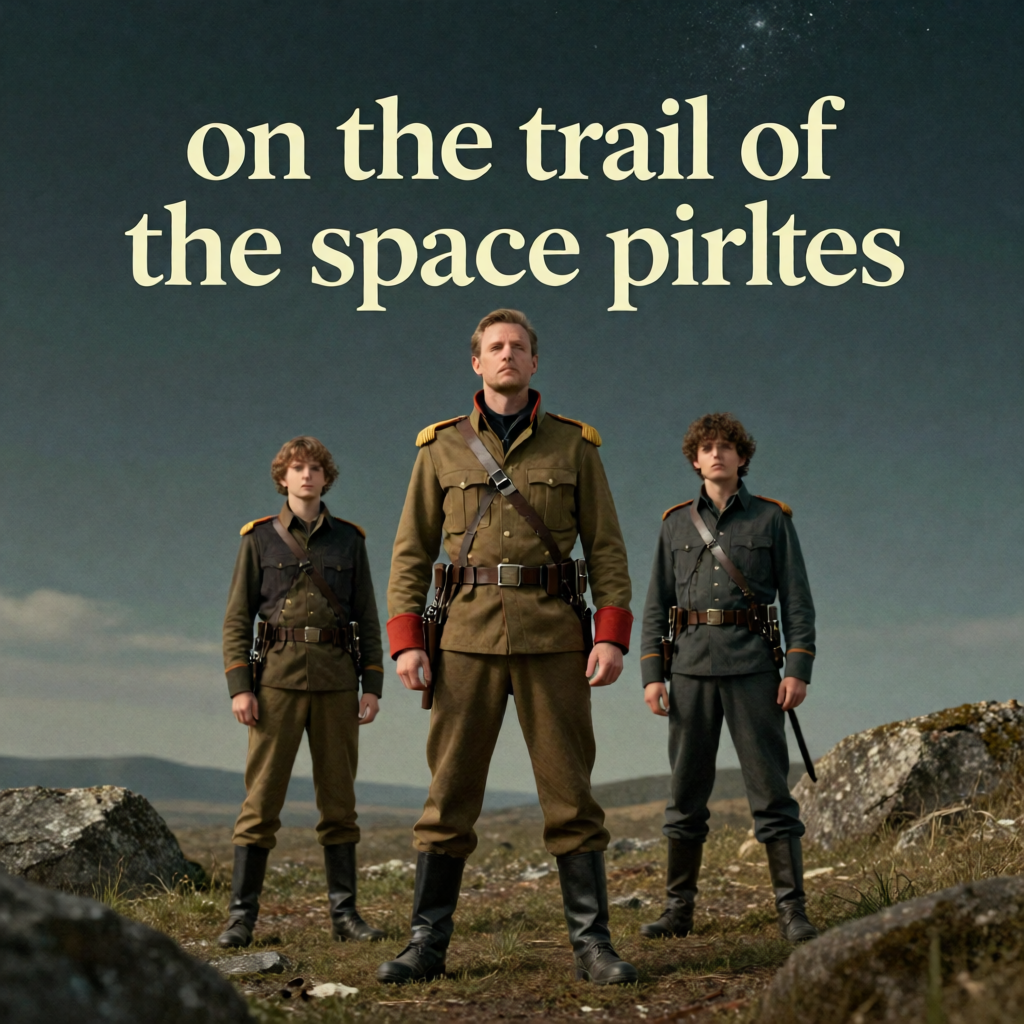
The great Solar Exposition opened under the blazing lights of a hundred thousand gathered spectators, and at the center of it all stood Captain Steve Strong, resplendent in his gold-and-black uniform, delivering the dedication speech for the Time Capsule. His voice rang out across the plaza as cameras broadcast the moment to Mars, Earth, and the colonized moons clear out to Titan. At his command, a crane lowered the shimmering steel cylinder into a concrete-lined pit to a thunder of cheers. Standing off to one side, the three cadets of the Polaris unit—Tom Corbett, Roger Manning, and Astro, the towering Venusian—joined in the applause, proud of the skipper who had sweated over every word of that speech himself.
When Strong fought his way off the platform, he confessed with a grin that he had never been so scared in his life, that speaking before the teleceiver was far worse than lecturing at Space Academy. He told them the capsule held the entire scientific and cultural history of man’s march through the stars—medical formulas, industrial facts, and secrets known only to the most trusted men in the universe. The boys were invited to the Solar Alliance banquet, but they begged off, and Strong gave them twelve hours of liberty to wander the exposition instead. He warned them to ration their credits and to go easy on Venusian cloud candy.
Two hours later, stuffed with spaceburgers and Martian water and loaded down with prizes won at the weight-lifting, marksmanship, and wheel-of-chance booths, the cadets returned to the fair site. There a harsh voice caught their ears. Luther Simms, a bamboo cane tucked under one arm and a fistful of tickets in the other, was hawking his attraction beneath a huge sign that read RIDE IN SPACE—ONE CREDIT. Beside him stood the battered old freighter he and his partner Gus Wallace were using for the rides.
Roger spotted three pretty girls boarding the ship and immediately insisted that the unit take tickets too. Tom protested that the hulk should have been scrapped years ago, but he handed over three credits anyway. Simms’s eyes narrowed with suspicion when he saw the cadets in uniform, and his smile turned tight. He called them the Space Cadets “who just can’t stay away,” and when Tom muttered a hope that the ship held together, Simms snarled at him through his teeth.
Wallace suddenly appeared from behind the ship and dragged Simms away before he could sell the last two tickets. Moments later the old freighter blasted skyward with a sluggish, groaning roar. In the cabin Roger rose to approach the girls, but Simms appeared and roared at him to sit down. Two explosions rocked the vessel, and Tom asked Astro what was happening. The Venusian explained that a chemical burner needed repeated blasts to gather speed, which was normal enough.
Then the rockets cut out altogether. The passengers gasped, but Wallace came through the hatch and assured them they were simply holding a course around Venus in free fall. Roger and Tom rose to block the two operators’ path and demand an explanation. Wallace sneered at them as cadet squirts and threatened to “blast” Roger’s ears off. When Simms called Wallace back to fix “that reactor unit,” Astro’s ears pricked up. Why would a chemical burner have a reactor unit aboard?
The three cadets put their heads together. A capacity load brought in only about fifty credits—far less than the two hundred credits in fuel needed to reach space. It didn’t add up. Roger was the first to say the word: smugglers. The joy-ride concession was just a cover to launch a load of cargo past the customs inspectors, then dump it in orbit for someone else to collect later. Tom crept aft to investigate, but found the cargo hatch locked and a thick black cloud drifting beyond the stern viewport.
On the return approach, Tom noticed the ship handled like a different vessel—lighter, more responsive. “They did dump something in space,” he murmured. The three cadets exchanged a long look and agreed: from now on, they were going to find out exactly what Wallace and Simms were hiding.
The original text of this work is in the public domain. This page offers a compressed quick-read summary for educational purposes.